Osaka特集
Osaka Castle Park, from the plum grove to the gold barge
A ¥1,200 ticket now buys the keep and the excavated wall nine metres under it, and the rest of Osaka Castle Park takes a full day to walk properly.

文:Inês CarvalhoOsaka one neighbourhood at a time
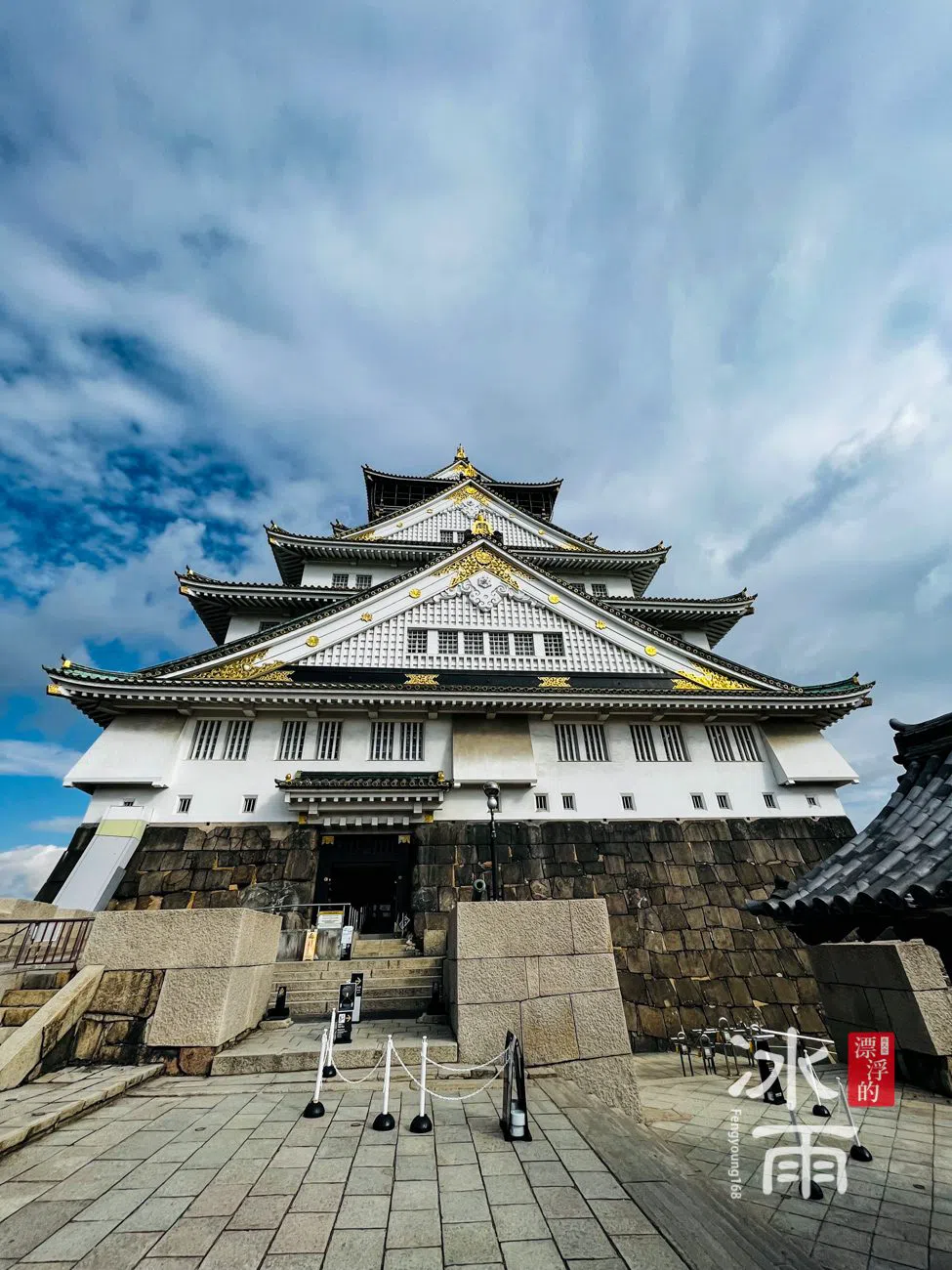
The ticket for Osaka Castle's main keep is ¥1,200, and since April 2025 it also buys a glass-walled gallery nine metres under the courtyard, looking onto Hideyoshi's buried stone wall. Above ground the park holds a 1.7-hectare plum slope and a 16,000-seat arena. The grove, the shrine and the old army headquarters cost nothing.
The keep and the wall beneath it
Osaka Castle Main Tower (Tenshukaku) is eight storeys of white plaster under a green copper roof, set on a vast grey stone plinth above a dry moat, with gold leaf tiger reliefs and gold gables on the top floor. The building is a 1931 concrete reconstruction. Treat it as a history museum with an eighth-floor observation deck and the queue stops annoying you. Go at 09:00.
Adults pay ¥1,200 and high-school and university students ¥600. Junior-high age and under enter free. Lifts run to the fifth floor for less mobile visitors, and the gate has a group ticket desk.
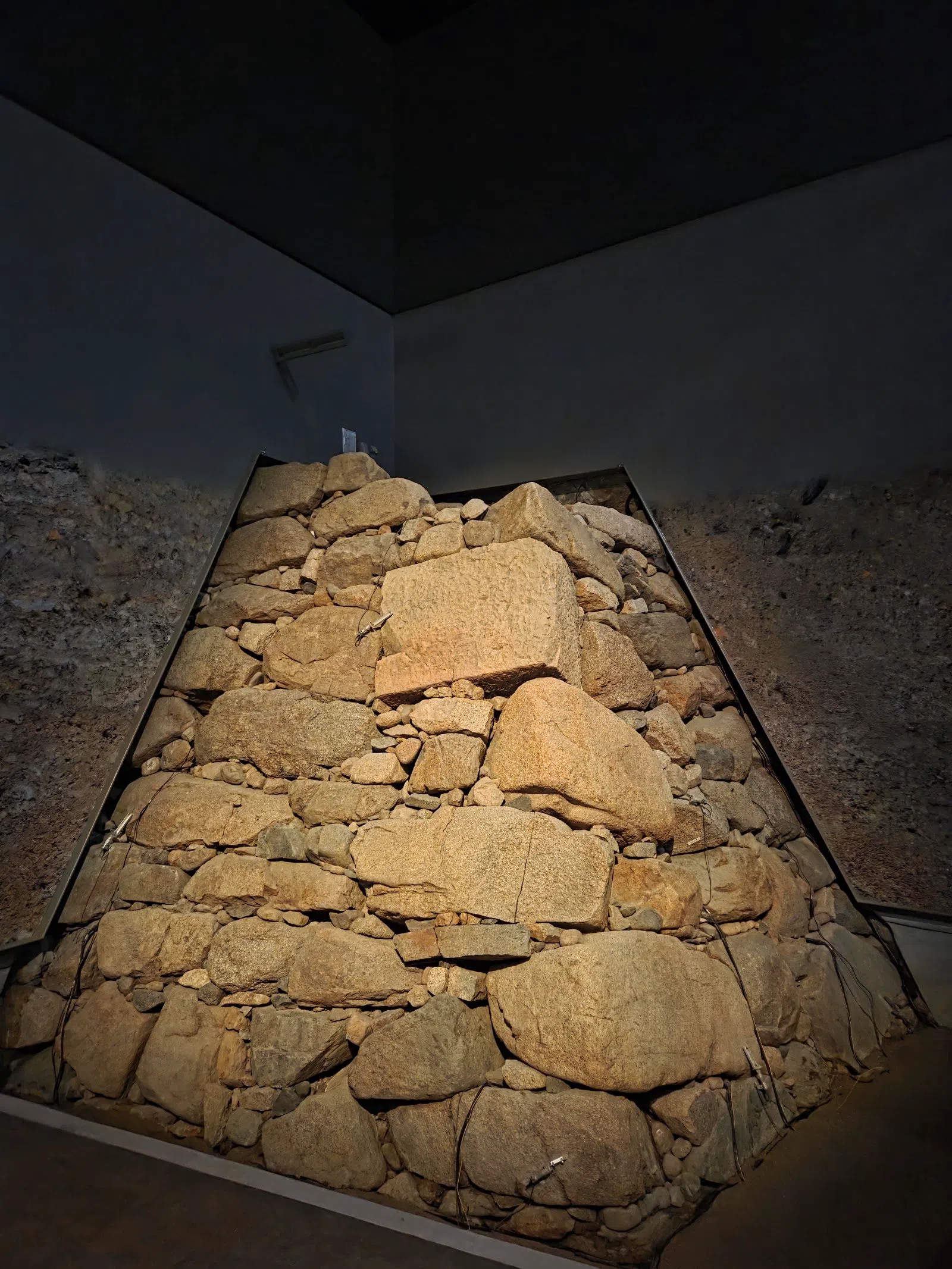
The same ticket covers the Osaka Castle Toyotomi Stone Wall Museum, which opened in April 2025 and is the reason the castle price doubled. The gallery sits nine metres beneath the courtyard and looks through glass at a raw 16th-century wall of rough unmortared boulders, lit from below. That is Hideyoshi's own stonework, buried under the Tokugawa-era castle, and it is as close as you get to what survives of the original. The viewing gallery is narrow, so entry comes in waves when the courtyard is busy.
Osaka旅行を計画する
予約パートナーの最新料金です。
多くの客室で無料キャンセルが可能です。ご予約時に当サイトが手数料を受け取る場合があります。
Edo interiors above the Otemon gate
Sengan-yagura & Tamon-yagura Turrets sit over the Otemon gate, two squat white-plastered Edo blocks with black timber latticework. Inside are bare tatami and timber rooms, square gunports, and stone-dropping hatches that look straight down on the gate below. The interiors are 17th-century Important Cultural Property and they stay sealed for most of the year.
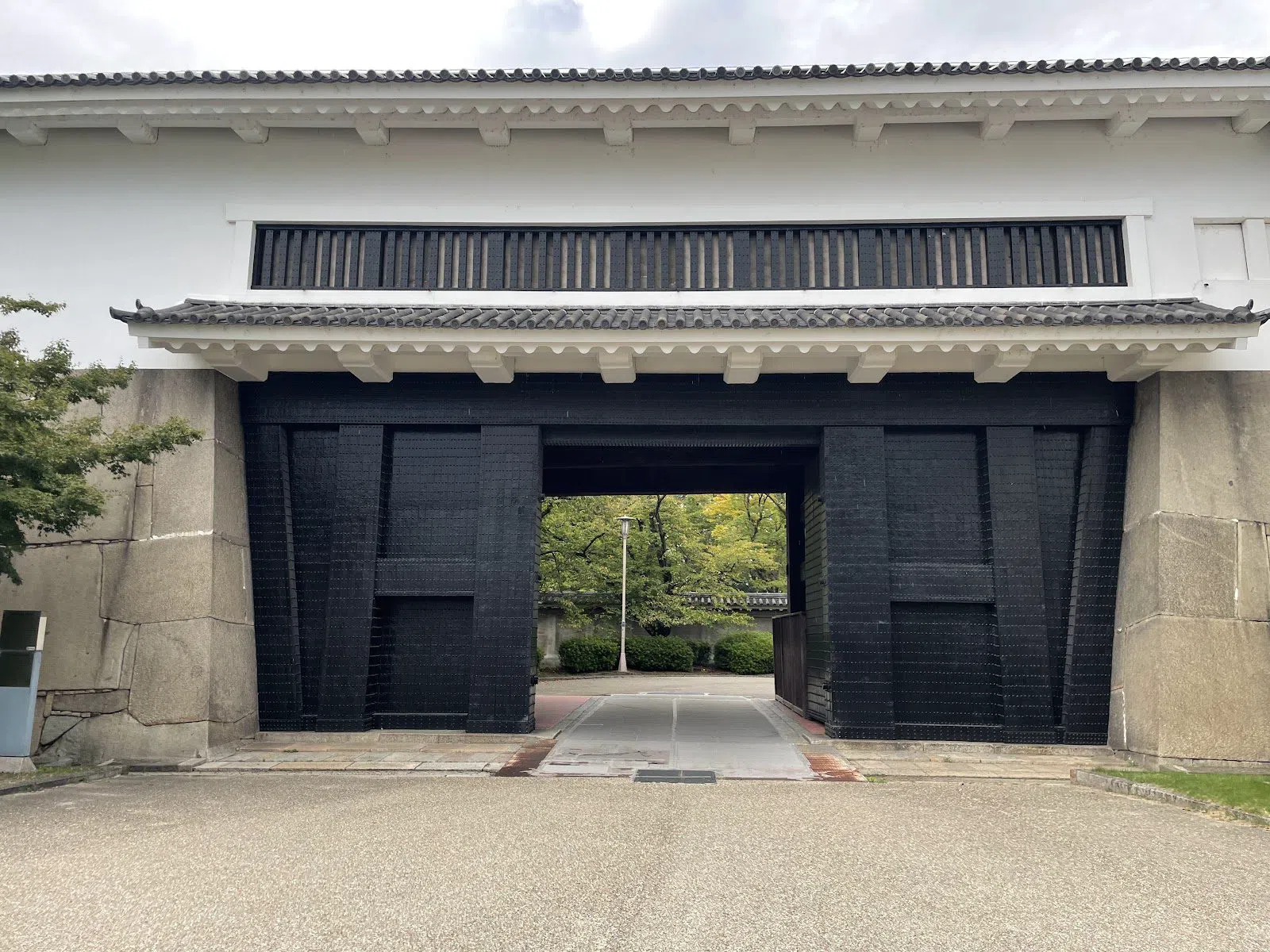
The autumn 2026 run was weekends and holidays from 5 September to 29 November, with a daily stretch from 19 to 27 September. Check the current opening window before you build a day around it. Entry is ¥900 for high school age and above and ¥300 for elementary and junior high. Last admission is 16:00, entry is timed, and the rooms are tight.
Gardens on the moat
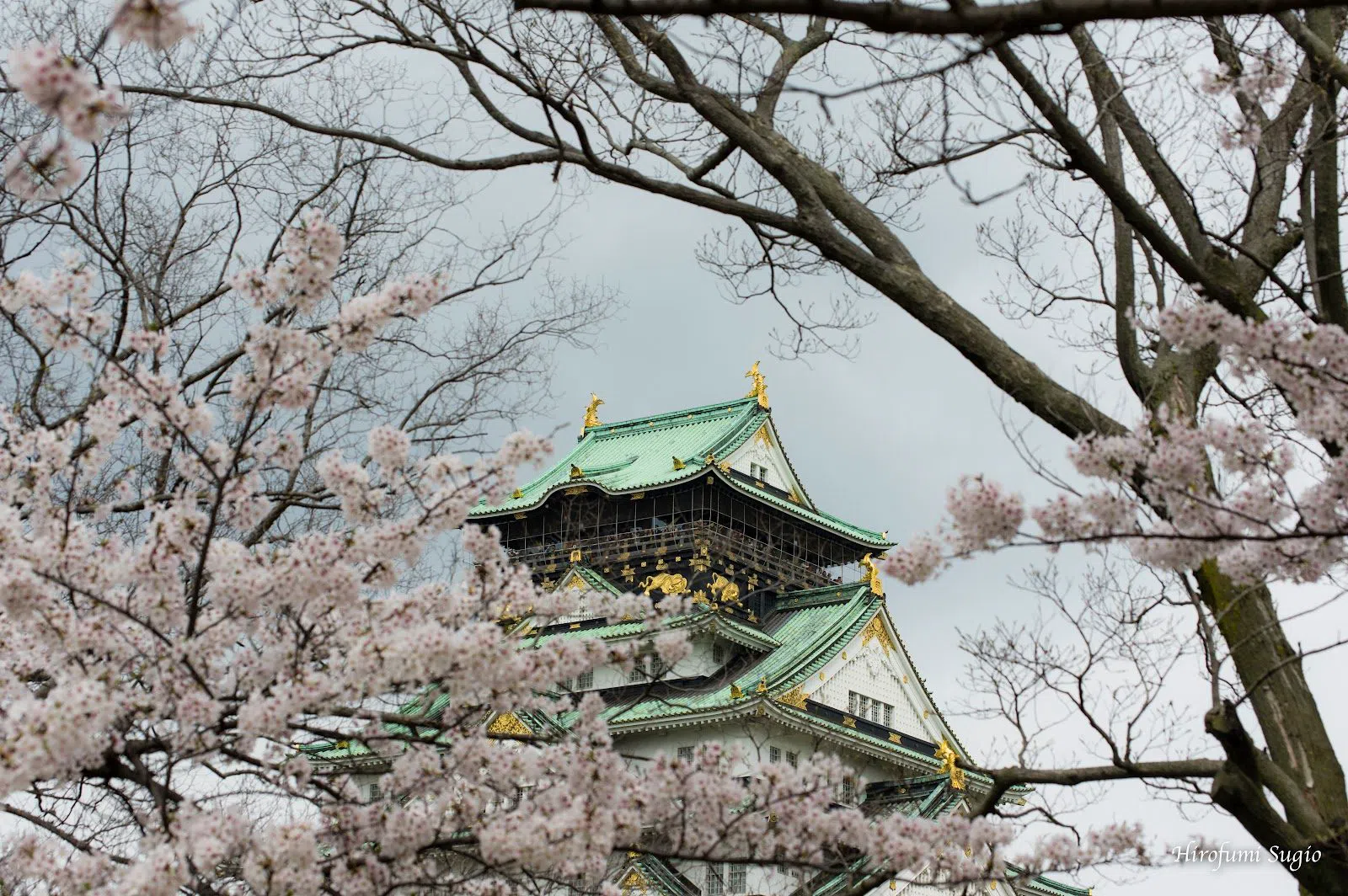
Nishinomaru Garden is a wide flat lawn of mown grass ringed by 300 somei-yoshino cherry trees, with the keep framed dead-centre above the inner stone rampart. The small fee buys the best keep-and-blossom photograph in Osaka. Entry is ¥200, rising to ¥350 in cherry blossom season, when the garden also opens in the evening under illumination.
The garden closes Mondays. Hours are 09:00 to 17:00 from March to October and 09:00 to 16:30 from November to February. Picnics on the open lawn are allowed, which is why office parties and tour groups claim their patch early in blossom week.
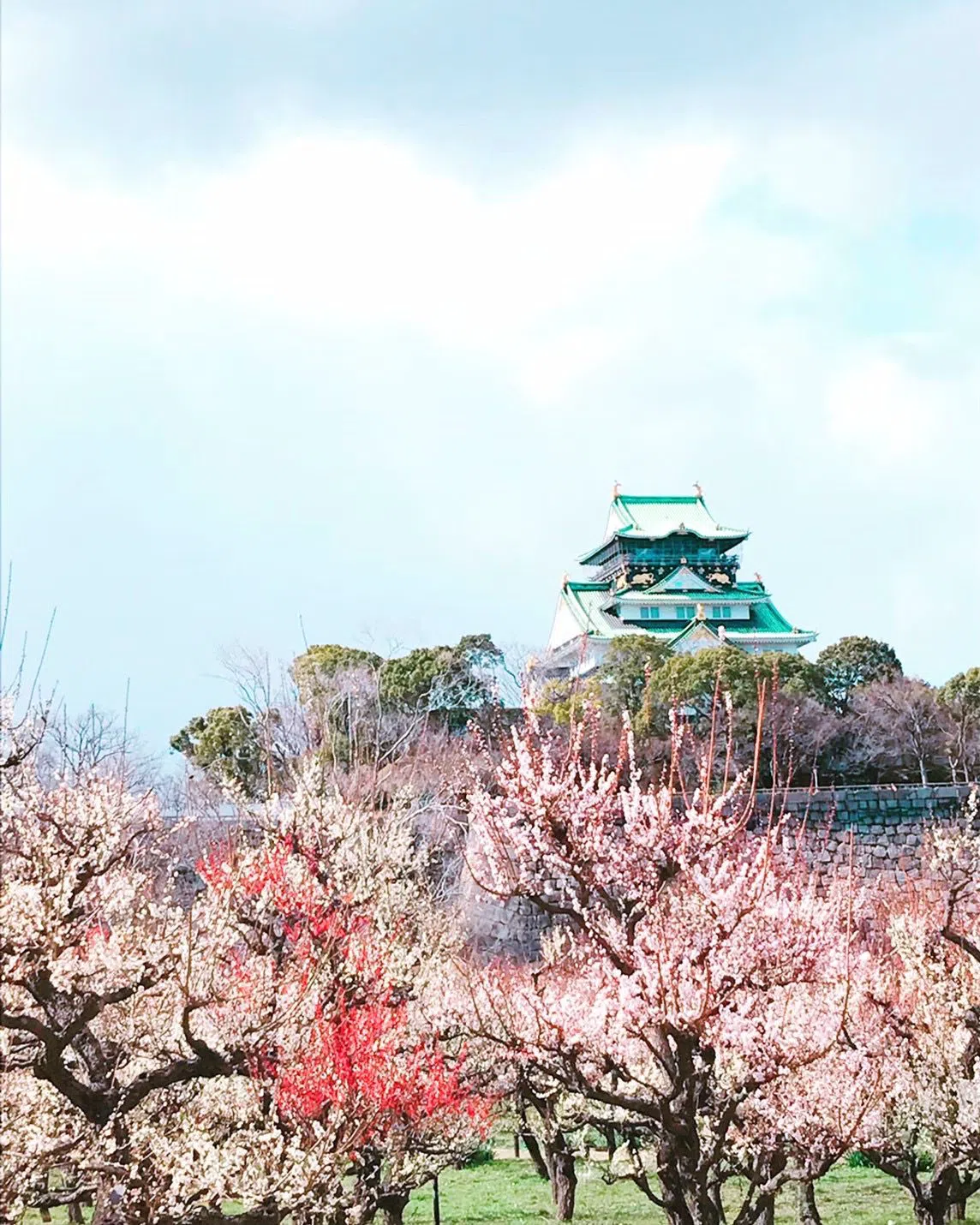
A month before any of that, the Osaka Castle Park Plum Grove (Umebayashi) on the east side of the inner moat does the same job for nothing. The slope carries 1,270 plum trees in 100 varieties, white, pink and deep crimson on bare dark branches, with the grey castle wall and the keep behind them. The peak is mid-to-late February. Entry is free and unticketed, there are benches and seasonal food stalls along the paths, and nobody counts how many of you turn up.
The gold barge on the inner moat
Osaka-jo Gozabune (Gokuraku-bashi pier) is a replica Sengoku pleasure barge sheathed in 3,000 sheets of gold leaf under a scarlet canopy. The 20-minute ride glides directly beneath the towering stonework of the inner moat, at the foot of the largest stone blocks in Japan, which is the one angle on the castle you cannot get on foot.
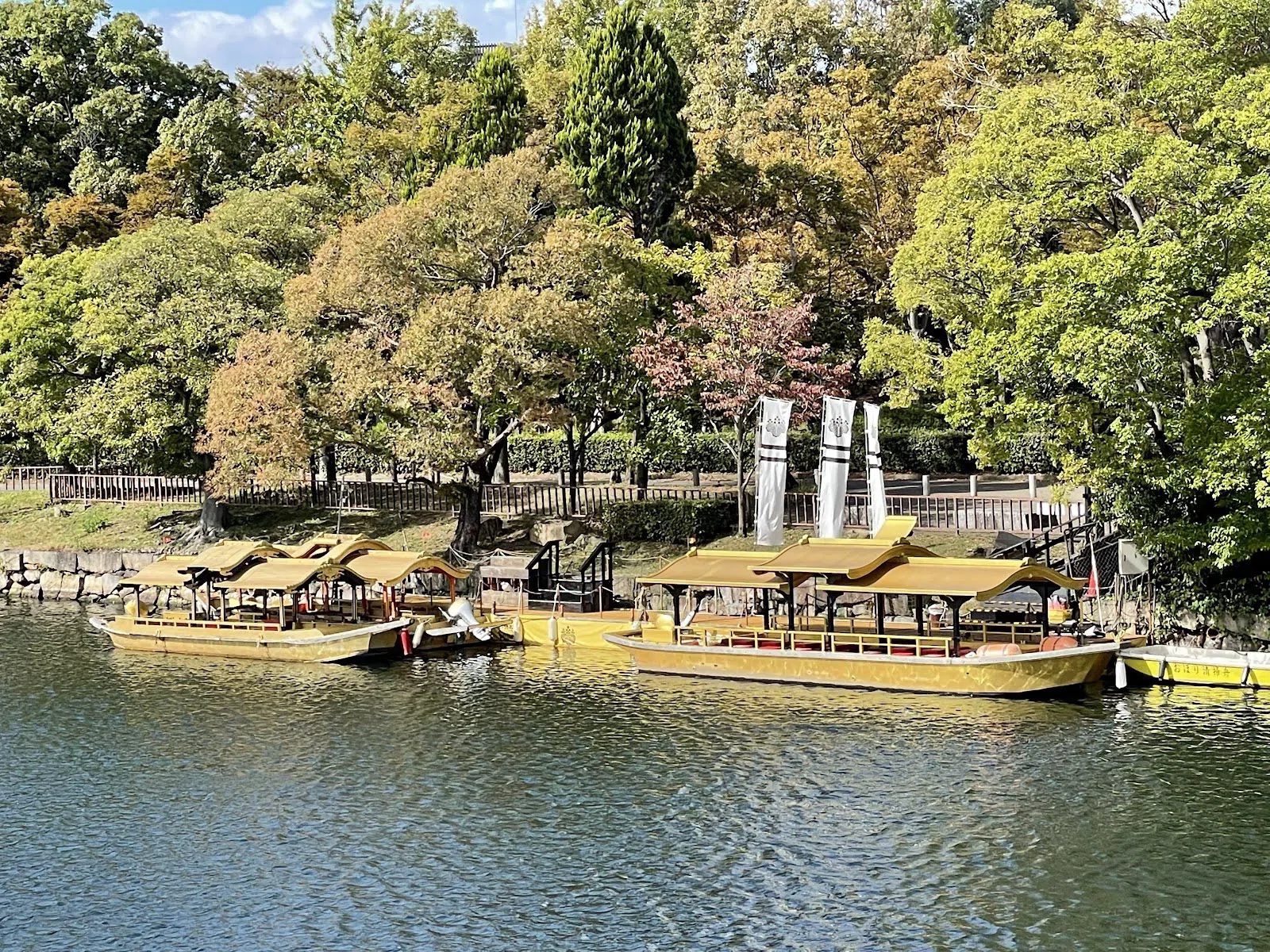
Departures leave every 10 to 15 minutes. Adults aged 16 and above pay ¥1,800 and ages 65 and above ¥1,200. School children pay ¥900 and preschoolers travel free. Sailings run 10:00 to 16:30 almost daily and stop at New Year. The hull is small, so a big party boards across consecutive sailings.
Hokoku Shrine and Miraiza Osaka-jo
Hokoku Shrine has a 5.2-metre bronze Toyotomi Hideyoshi, in court cap and robes, on a stone pedestal beside a plain wooden shrine hall and a dry-landscape garden of rock and gravel. It honours the warlord who built the castle, and people here treat it as a power spot for career luck. The grounds are free and open to everyone, and the shrine office works 09:00 to 16:50.
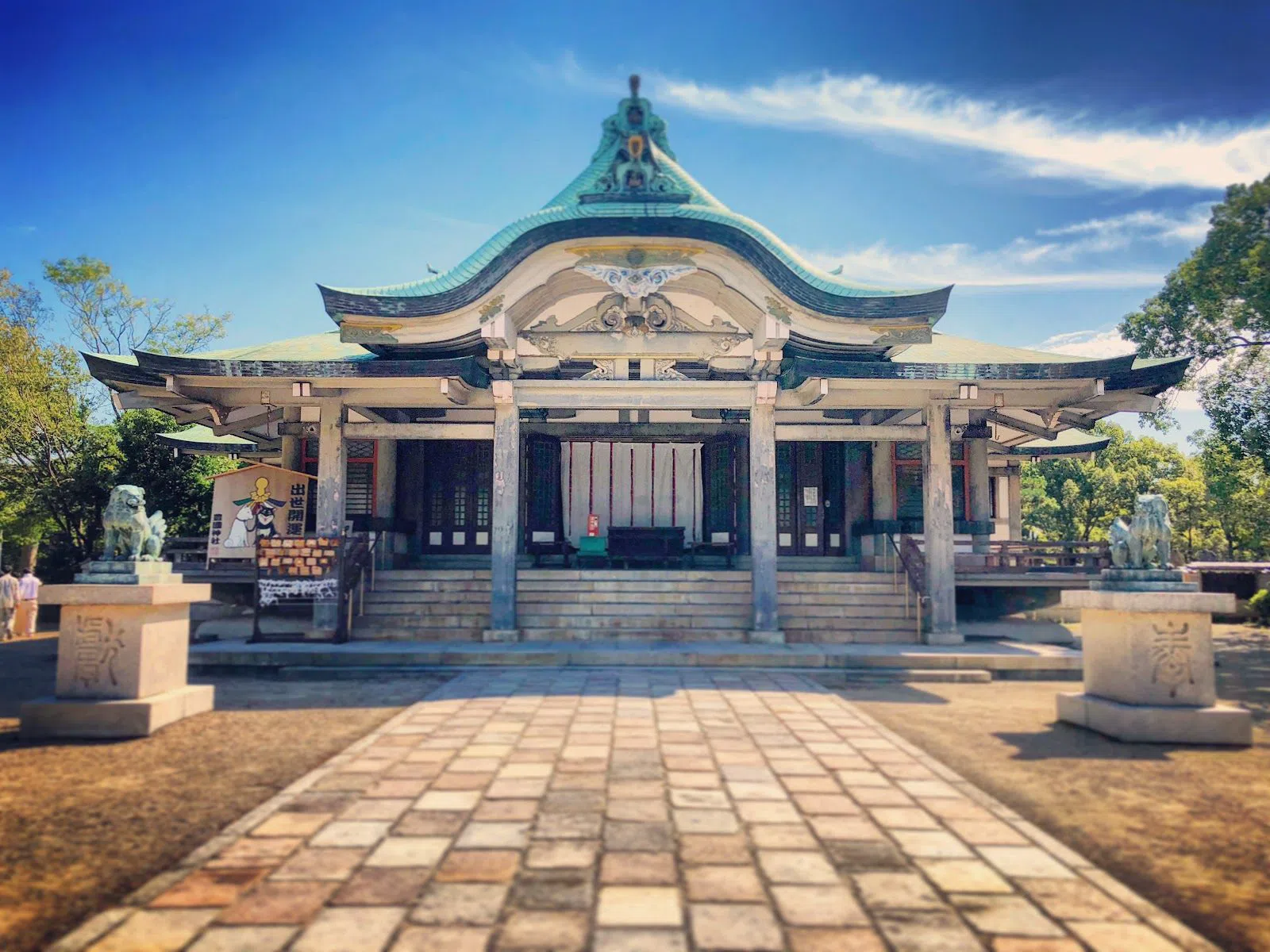
The approach is compact and it clogs once the coaches arrive. Go before 10:00. Thirty minutes covers the whole thing, which makes it the obvious pause between the keep and the moat path.
Miraiza Osaka-jo is a severe brown-brick block of 1931 standing right in front of the keep, with arched windows and a Romanesque entrance. It went up as the Imperial Army Fourth Division headquarters, survived the 1945 raids, and later held the city museum. Now it holds souvenir shops, a Tully's, cafés and restaurants, and the castle's best eating is in this one building, on the roof and at a ground-floor counter.
Entry to the building is free, as is the ground-floor Osaka Castle exhibition room, which takes tour-party volume without a ticket queue.
Museums at the park's edges
Peace Osaka (Osaka International Peace Center) is a low grey concrete-and-glass pavilion in the park's south-east corner. The hall inside is dim. A replica incendiary bomb cluster hangs overhead and charred objects from the 1945 air raids sit in lit cases. This is the other half of the park's history, the firebombing of Osaka, and 20 minutes and small change cover it.
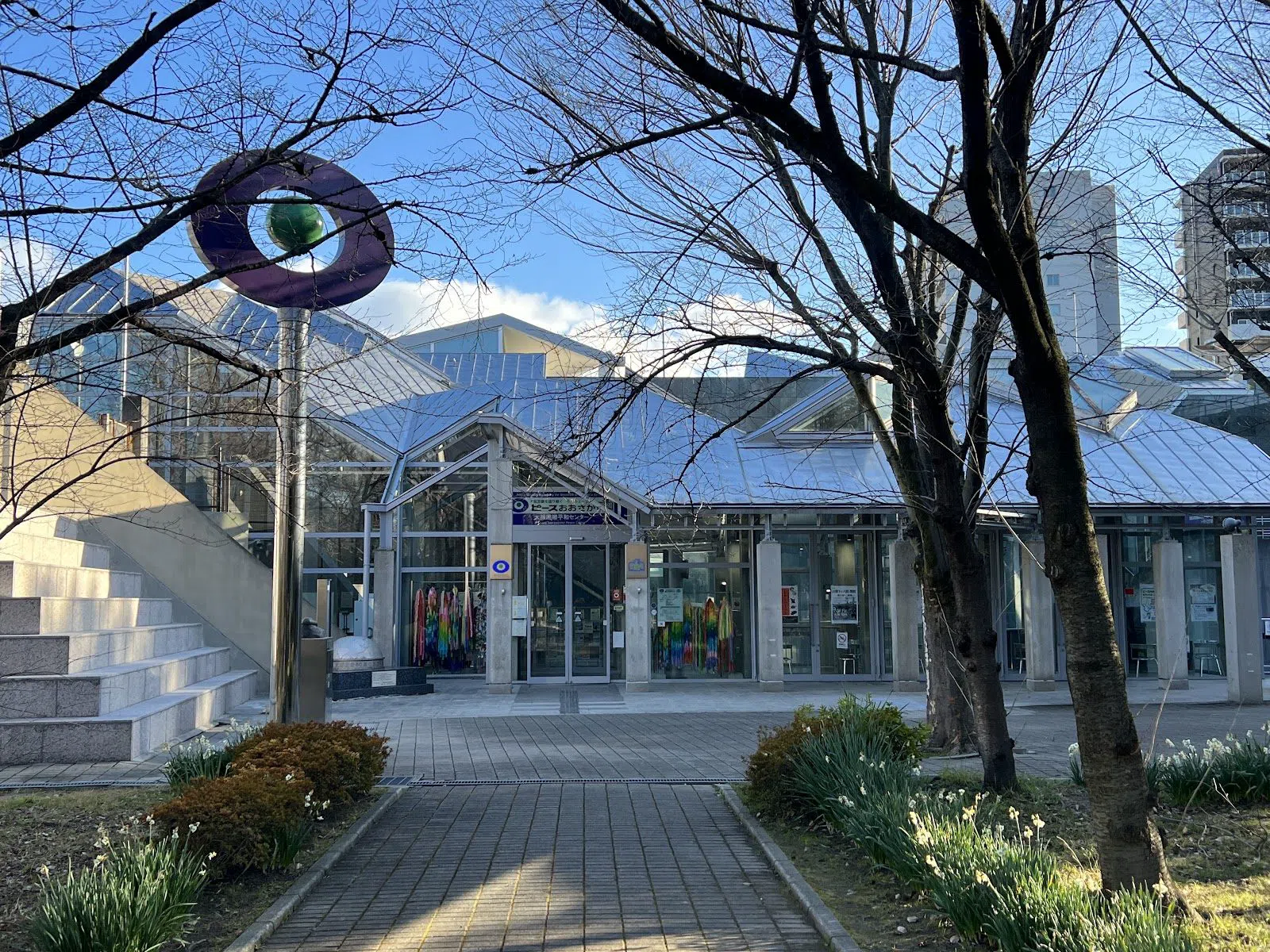
Adults pay ¥250 and high-school students ¥150, with elementary and junior-high entry free. Hours are 09:30 to 17:00. It closes Mondays and the day after public holidays. The displays are sober and the building was built for school parties, who book in advance.
Osaka Museum of History (Tanimachi 4-chome) is a 10-storey glass tower immediately south-west of the park, across the road and beside the drum-shaped NHK building. The seventh-century Naniwa Palace excavation lies in the basement and a full-scale red-pillared throne hall fills the top floor. A floor-to-ceiling window looks straight across at the keep, the best view of the castle from indoors.
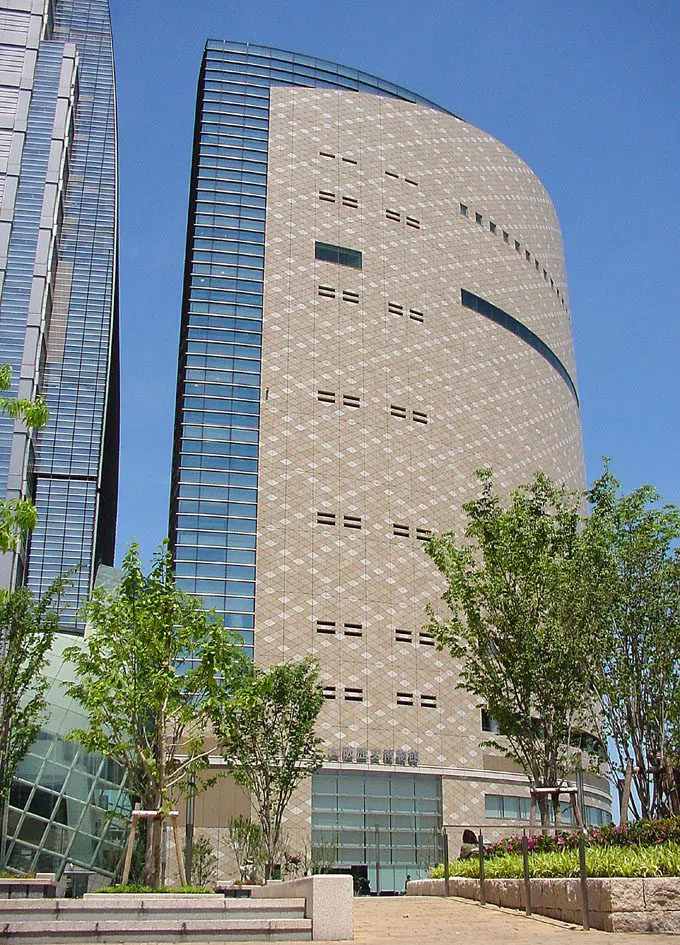
Adults pay ¥600 and high-school and university students ¥400. Junior-high age and under go free. Hours are 09:30 to 17:00 and it closes Tuesdays. The route runs by lift to the top and walks down, so a coach party moves through it cleanly.
Concerts at Osaka-jo Hall
Osaka-jo Hall is a squat white circular arena with a ribbed roof, sunk into the north-east lawns on the Kyobashi side of the park. On show nights the floodlit crowd spills along the moat path, which is why the park fills on a random weeknight.
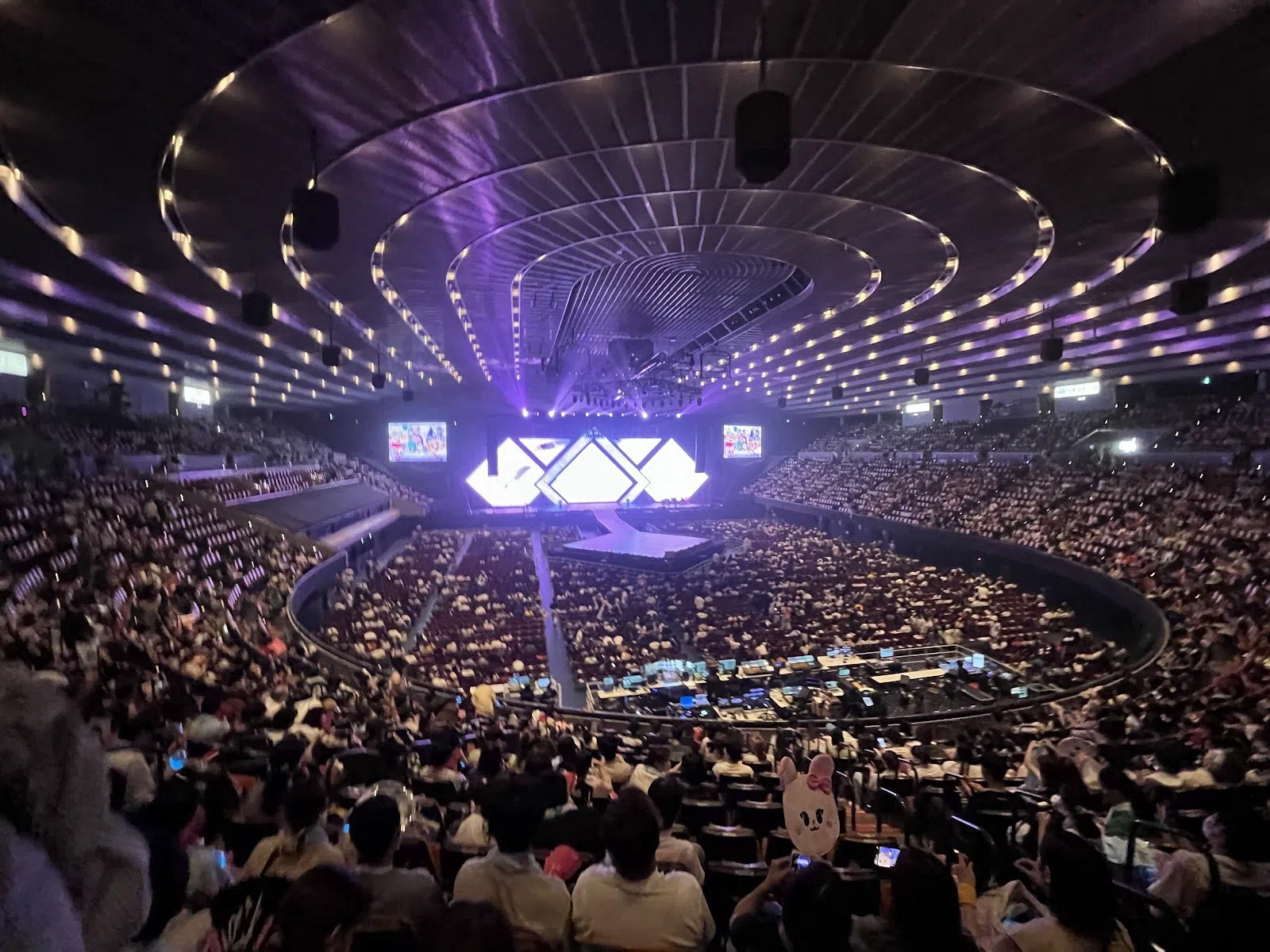
More than 130 shows are booked for 2026, Mr.Children and Diana Ross among them. Tickets run ¥7,000 to ¥15,000 and most sell through Japanese lottery systems. Glance at the schedule before you fix your dates. The hall holds 16,000 seats and takes block bookings as standard.
Lunch at Jo-Terrace Osaka
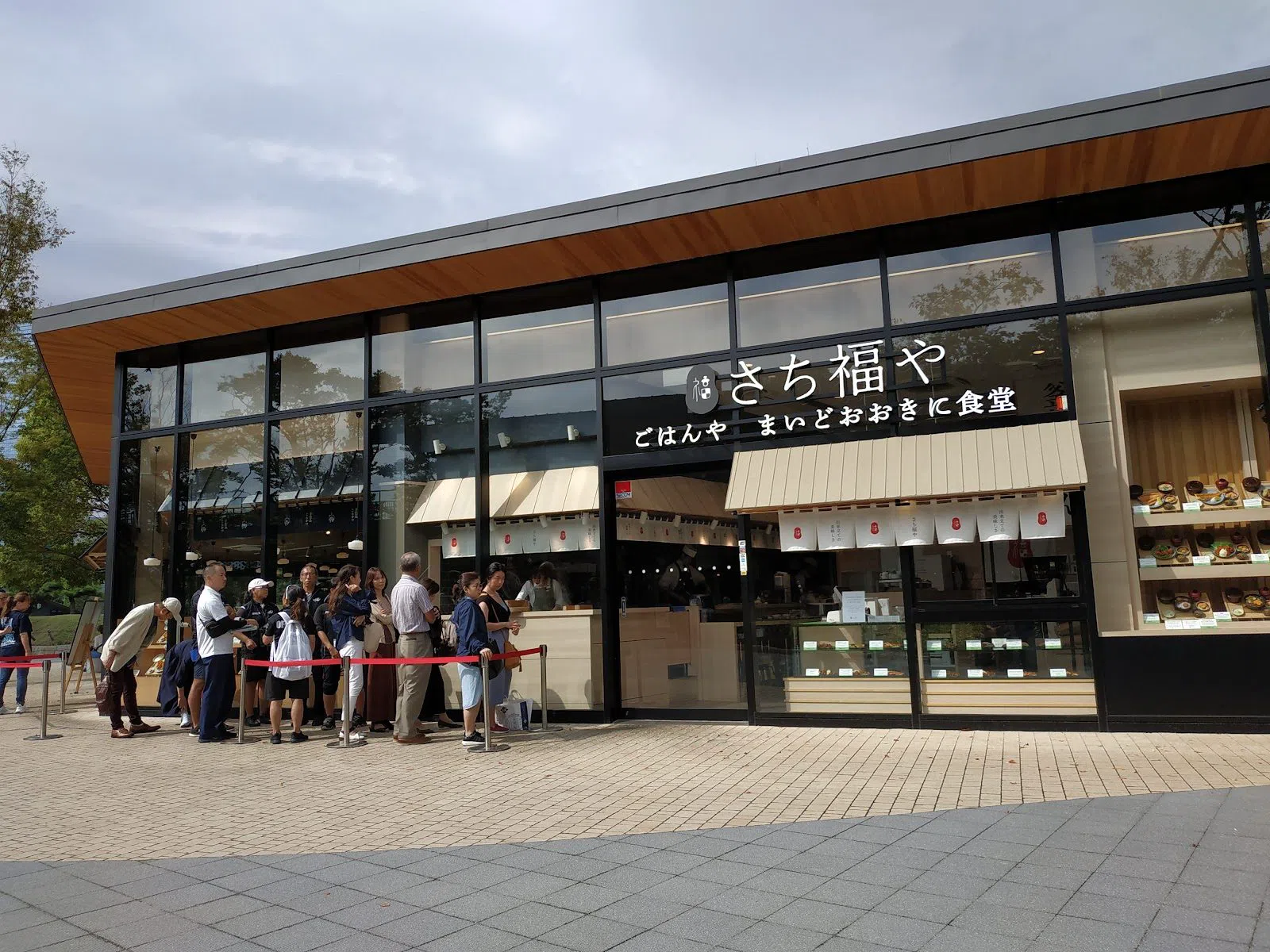
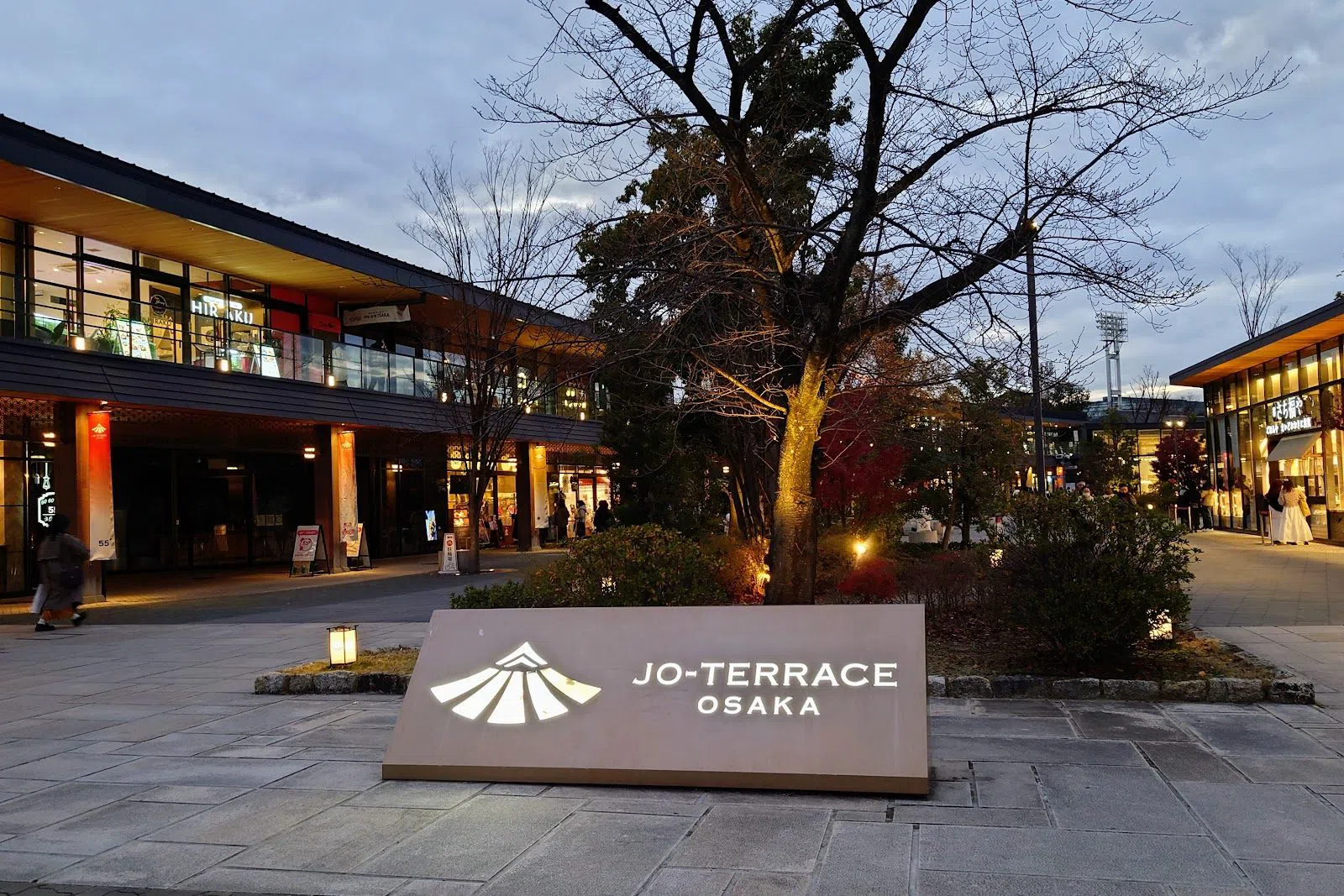
Jo-Terrace Osaka (north-east entrance, beside Osakajokoen station) opened in 2017 and is the park's answer to lunch. Two levels of timber and glass run under tall trees, with outdoor tables, cherry trees overhead and the moat path going past. The strip holds 22 tenants over several blocks, among them a six-shop Ramen Alley, Starbucks, poke, katsu and takoyaki. Ramen starts at ¥1,000 and cafés run ¥600 to ¥1,200. It is the easiest regroup point before or after the castle.
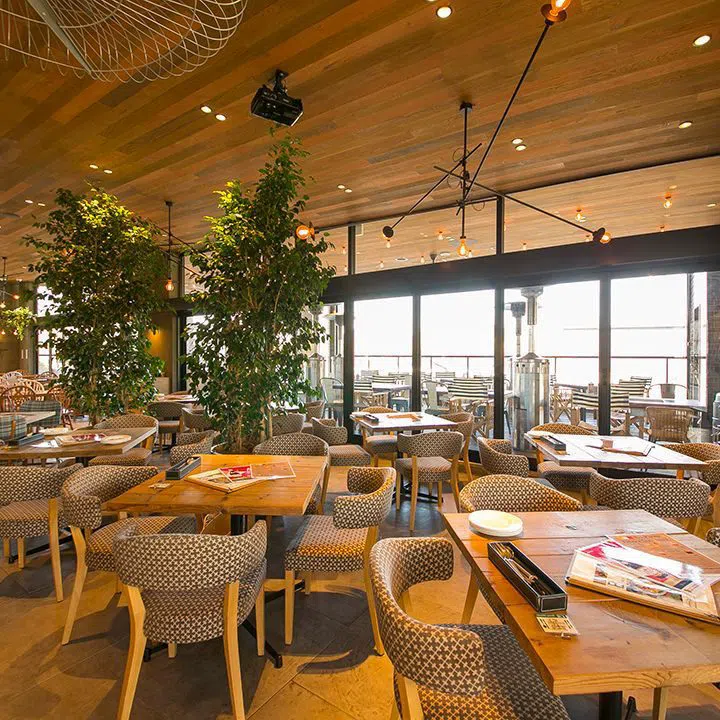
good spoon Jo-Terrace has the complex's F Terrace, a second-floor terrace draped in greenery with string lights and gas grills set along communal tables, park treetops at eye level. Brunch plates run ¥1,500 to ¥2,500 and BBQ courses start at ¥4,000 with self-service all-you-can-drink. It is the park's only proper BBQ restaurant. A covered walkway leads in from Osakajokoen station, which settles where you eat in rain. Hours are 11:00 to 22:00, and weekends need booking.
Eating next to the keep
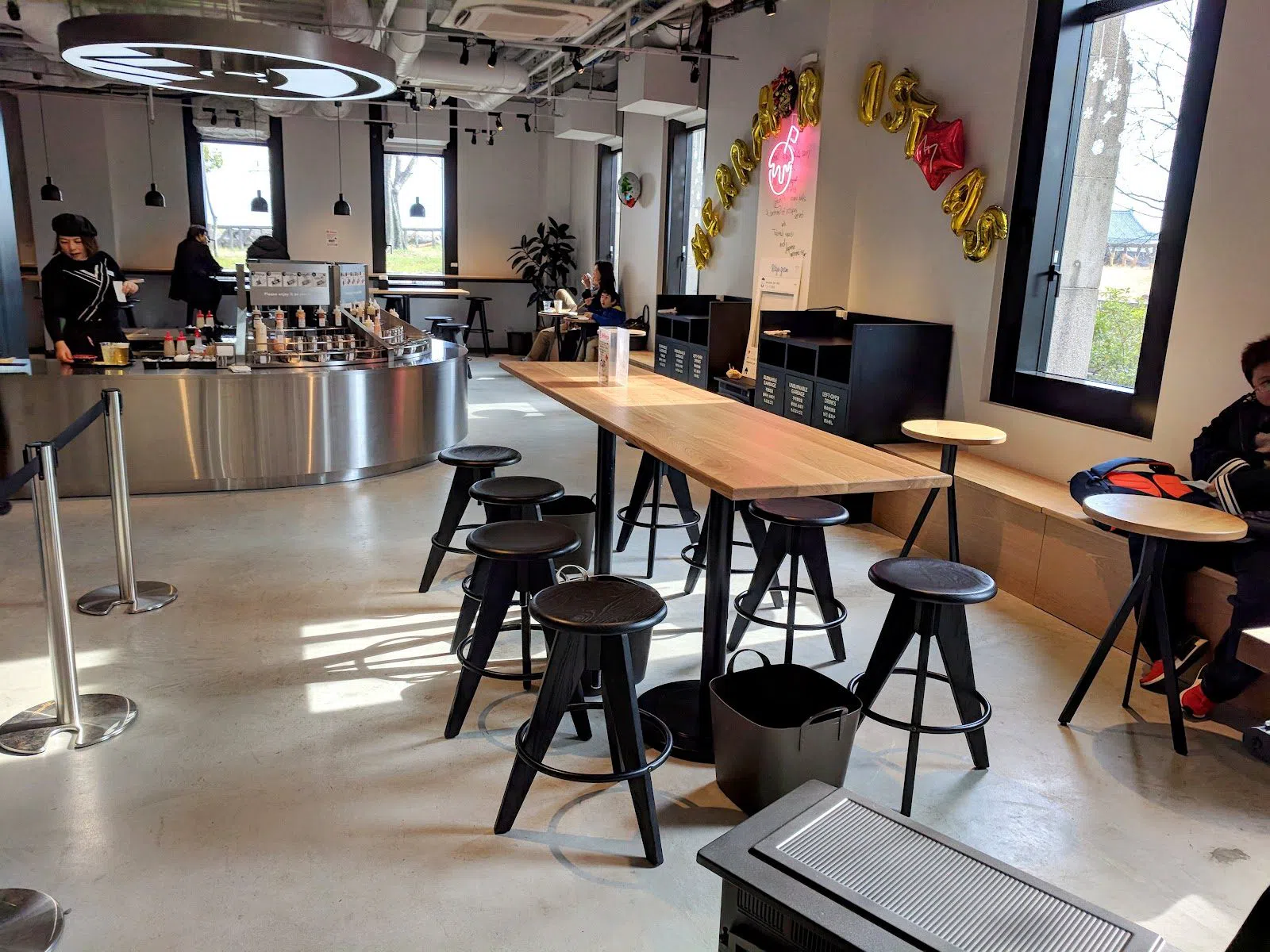
THE KONAMON BAR RIKYU runs a small counter on Miraiza's ground floor. Trays of plain pale takoyaki arrive naked beside a rank of squeeze bottles and topping jars, and you dress them yourself, which is unusual and the point. Takoyaki and udon run ¥600 to ¥1,200. It trades daytime only, 10:00 to 18:00, last orders 17:30. Seating is counter and standing, so a large party should carry the trays out to the castle forecourt.
BLUE BIRDS ROOF TOP TERRACE has the roof of the same 1931 brick headquarters: wooden decking, canopied tables, charcoal shichirin grills smoking on every table, and the floodlit keep filling the view from the Castle View Terrace. You cannot eat closer to the keep, and the dinner view is the best in the park. The shichirin yakiniku plan is ¥7,500 a head and books for parties of two to 27. Reserve ahead, and reserve harder for sunset.
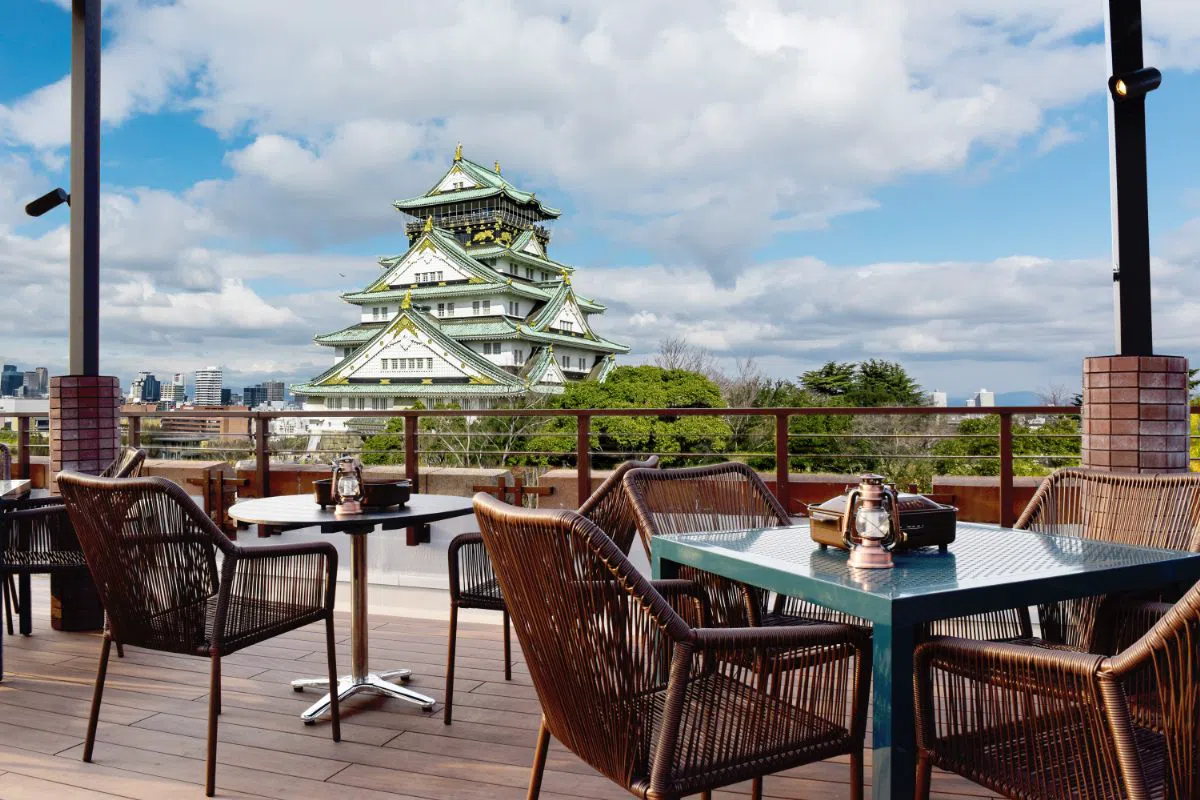
The terrace is seasonal, running 1 March to 30 November, with lunch 11:00 to 17:00 and dinner 17:00 to 22:00. Restaurant Raspberry with Moon Bar, in the same building, is temporarily closed.
Where to stay by the park
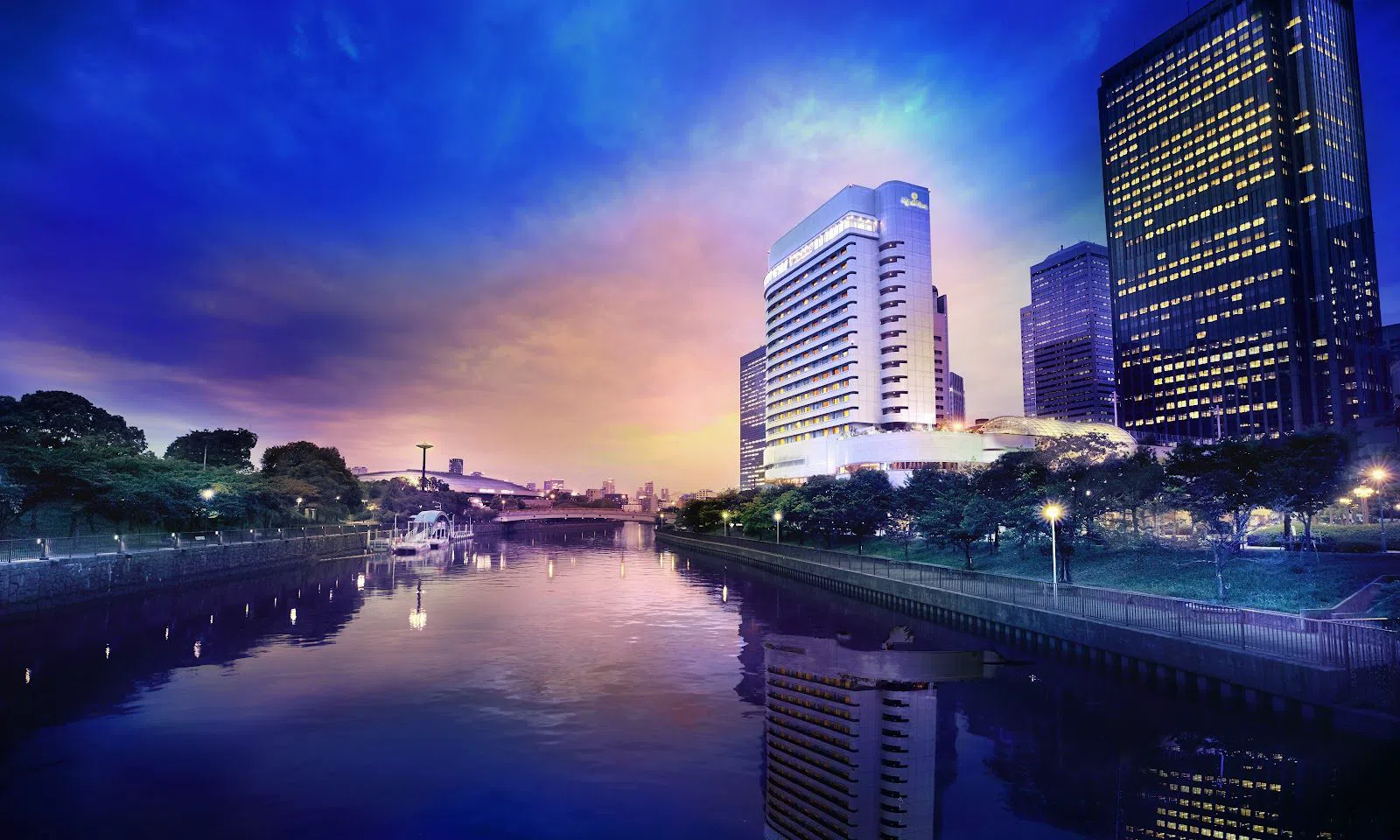
Hotel New Otani Osaka (Osaka Business Park) is a curved high-rise across the water, a minute's walk from the park's north-east corner. Upper-floor rooms look over the moat and the park canopy straight at the floodlit keep. Book a category explicitly labelled Castle View or you get the city instead. Those rooms run ¥30,000 to more than ¥60,000 a night. The hotel has banquet and meeting floors, tour-group check-in, and connecting and family studio rooms.
On the park's south side, KKR Hotel Osaka is the cheaper way to the same view, with plainer rooms, from ¥30,400 per person with two meals.
Closed days and what to book
Nishinomaru Garden and Peace Osaka close on Mondays, the Osaka Museum of History closes on Tuesdays, and the barge stops at New Year. Book the rooftop grill and your Castle View room before you travel, and confirm the current turret opening window. See the Osaka guide and the Osaka hotel search.
出発前に
How much is a ticket to Osaka Castle, and what does it include?
Adults pay ¥1,200, high-school and university students ¥600, and junior-high age and under go free. The ticket covers both the Main Tower and the Toyotomi Stone Wall Museum, the underground gallery nine metres beneath the courtyard. Arrive at 09:00 to beat the queue.
Is Osaka Castle an original building?
The Main Tower is a 1931 concrete reconstruction, so treat it as a history museum with an eighth-floor observation deck. The original stonework is in the Toyotomi Stone Wall Museum, which opened in April 2025 and shows Hideyoshi's buried 16th-century wall under the Tokugawa-era castle. Genuine 17th-century interiors survive in the Sengan-yagura and Tamon-yagura turrets, which open only in limited seasonal windows.
Which days is Osaka Castle Park closed?
Closing days vary by venue. Nishinomaru Garden and Peace Osaka close Mondays, Peace Osaka also closes the day after public holidays, and the Osaka Museum of History closes Tuesdays. The Gozabune boat runs almost daily and stops at New Year, and the BLUE BIRDS rooftop terrace is seasonal, 1 March to 30 November.
When is the best time for blossom in Osaka Castle Park?
The plum grove on the east side of the inner moat is free, 1,270 trees in 100 varieties, and it peaks mid-to-late February. For cherry blossom the focus is Nishinomaru Garden and its 300 somei-yoshino trees, where entry rises from ¥200 to ¥350 in season and the garden opens in the evening under illumination.
Where can you eat with a view of the keep?
BLUE BIRDS ROOF TOP TERRACE is on the roof of the Miraiza building, and the floodlit keep is in view from its Castle View Terrace; the shichirin yakiniku plan costs ¥7,500 a head and books for parties of two to 27, so reserve ahead for sunset. For lunch, Jo-Terrace Osaka by Osakajokoen station has 22 tenants, including a six-shop Ramen Alley with ramen from ¥1,000.