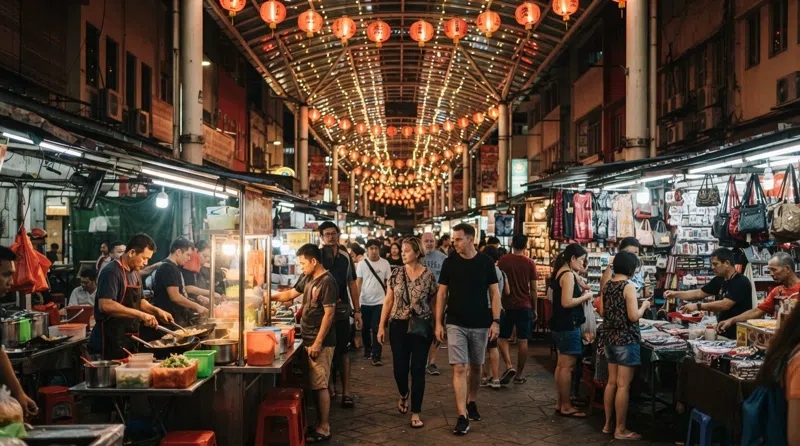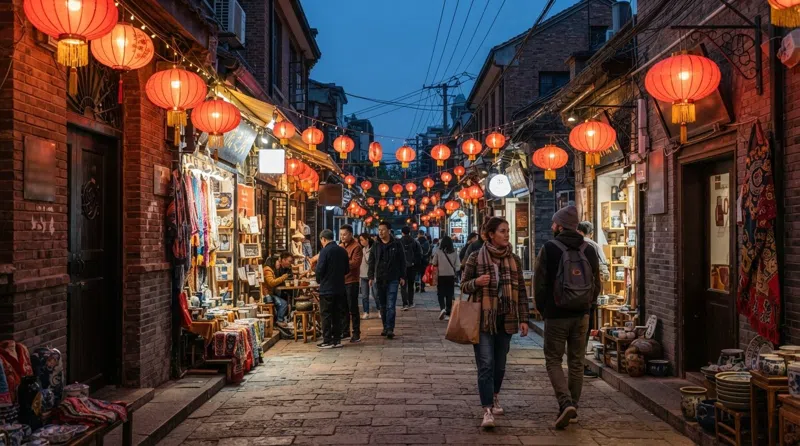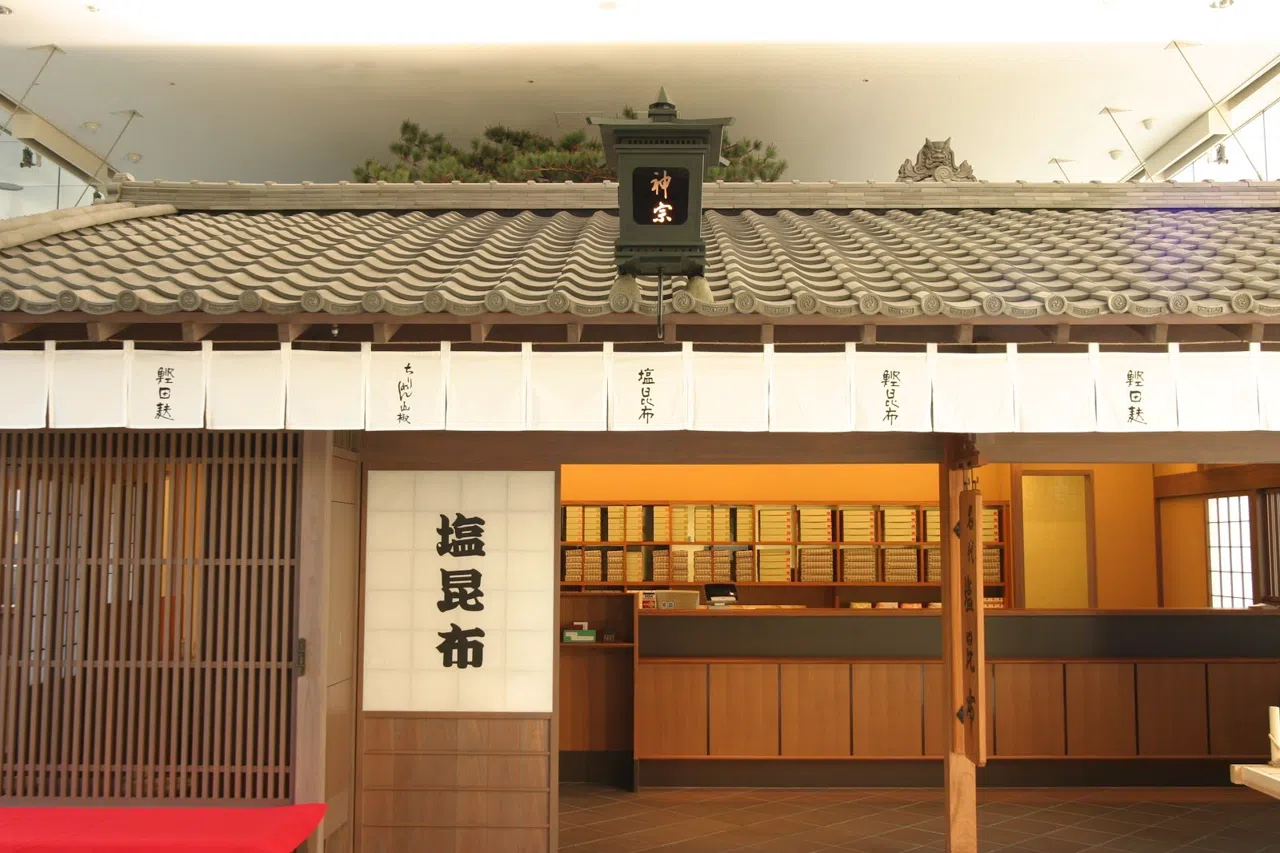

Osaka calls itself tenka no daidokoro — the nation's kitchen — and nowhere proves it faster than the merchant lanes behind Kuromon Ichiba, where shopfronts that opened before Japan had trains still smell of shio-konbu, soy mash and drying bonito by nine in the morning. This isn't a heritage display. Fifth- and sixth-generation owners are still weighing tsukudani into tins for regulars who've been buying from them for decades, and a handful will let a stranger watch the process if you show up on the right day and ask properly. I queued for tins at three of these shops on one Tuesday morning in Senba and didn't regret a single one.
This guide moves roughly south to north through the old wholesale district and its satellite towns — the konbu and katsuobushi merchants first, then the miso and koji houses where you can actually get your hands dirty, then the two working breweries, then the market and pickle stalls that hold the whole trade together, and finally the street that equips every kitchen on the list.
Senba's Merchant Core: Konbu, Tsukudani and Katsuobushi
Senba and neighbouring Kitahama were Osaka's wholesale-provisioning heart under the Edo-era merchant class, and this is still the most concentrated pocket of working fermentation shops in the city.
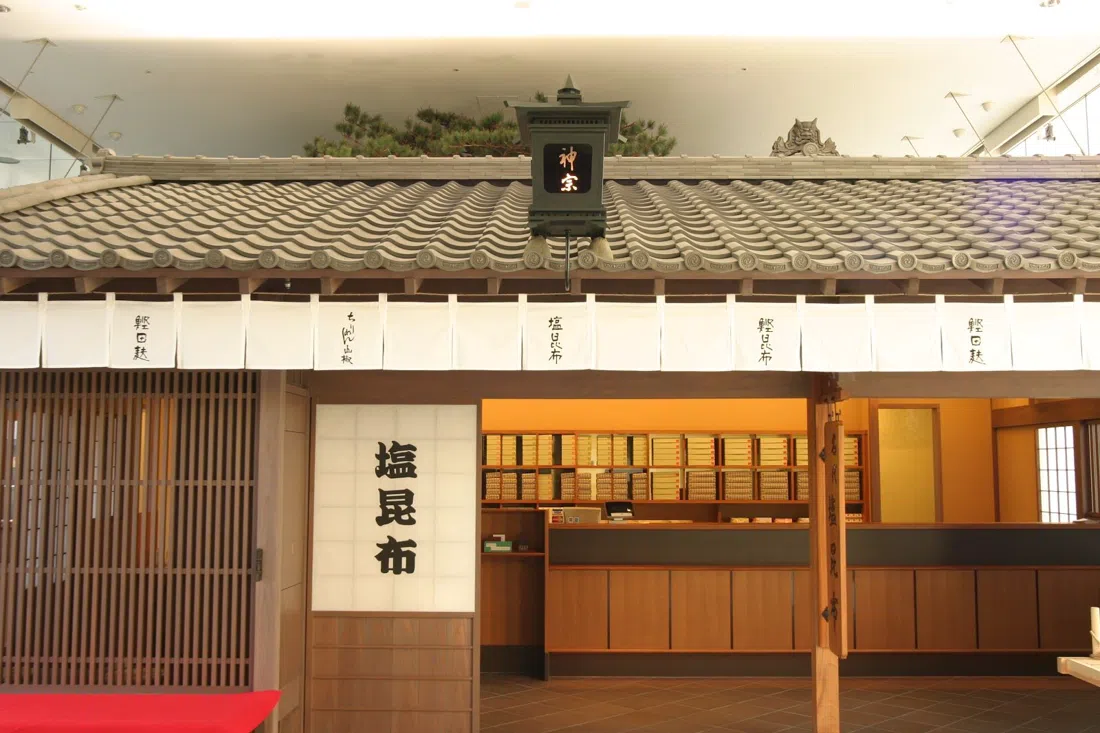
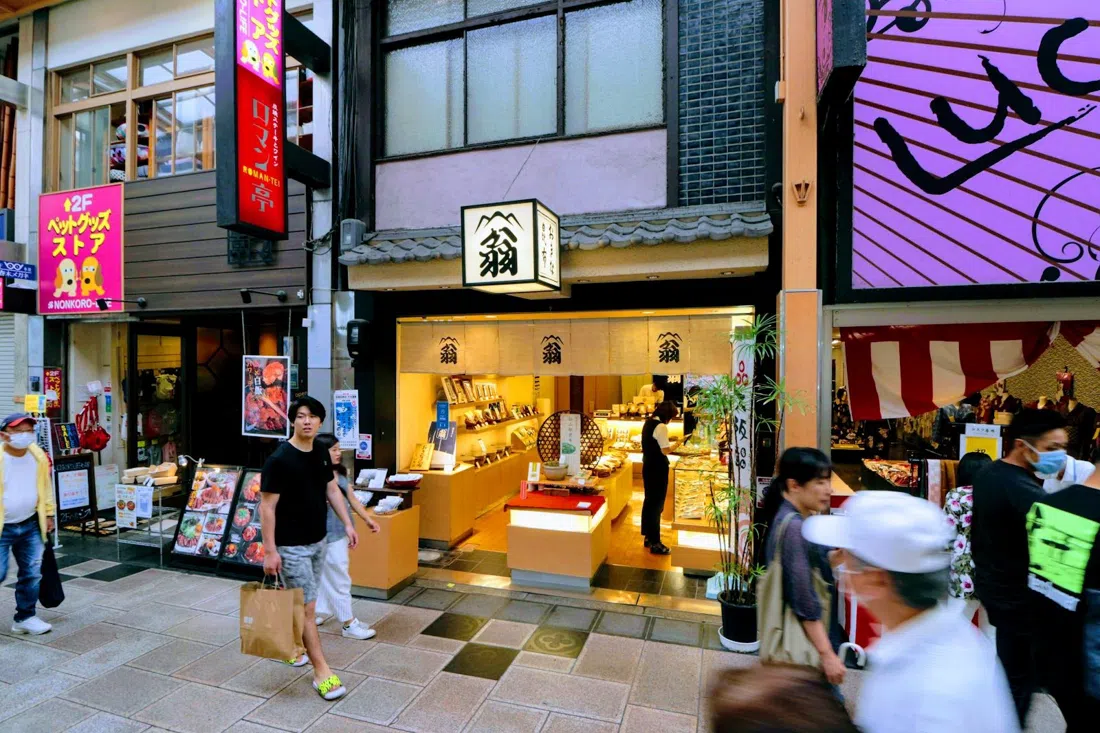
Kansou (神宗) in Senba/Kitahama has been trading since 1781 and remains the benchmark shio-konbu house in Osaka — full stop. The retail floor is built for foot traffic and handles groups without any fuss, but the small attached cafe seats few, so call ahead if your party is over four or five. Budget ¥1,000–3,000 for tins to take home, or ¥1,500–2,500 for the cafe's set lunch if you want to taste the shio-konbu and tsukudani properly plated rather than straight from the tin. This is the single best-preserved link to Senba's wholesale-provisioning past, and it's the shop I'd send a first-time visitor to before any other on this list.
A few streets over, Okina Konbu (おきな昆布) has been trading kelp since 1866. The shop floor is small — comfortable for four to six people browsing, but there's no formal tour, so don't expect a guided tasting. What you're here for is the aged kuradashi konbu, cured slowly in a way that shows the district's whole fermentation philosophy in one product. Packs run ¥800–2,500.
Miso and Koji You Can Actually Make
Two houses on this list let you do more than watch — you leave with something you mixed yourself.
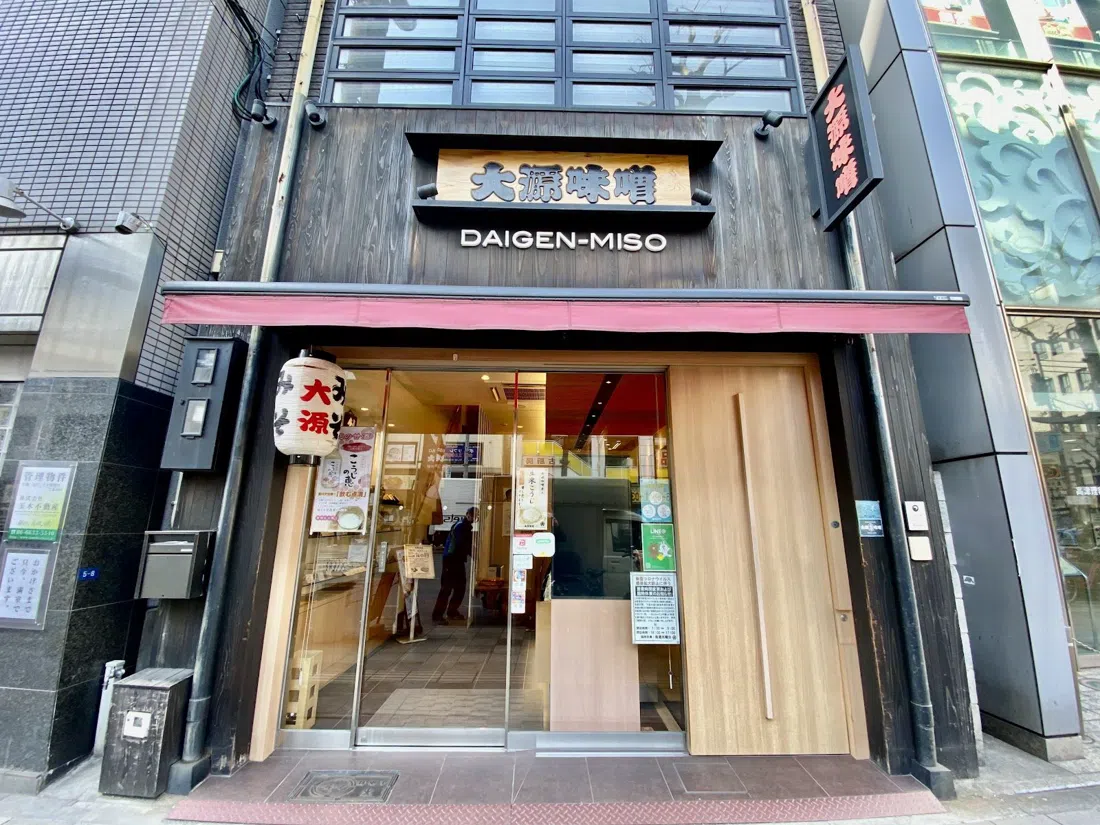
Daigen Miso (大源味噌) in Nippombashi is Osaka's oldest miso maker, founded in 1823, and it runs bookable hands-on miso and koji workshops that are the single best hour-and-a-half of fermentation education on this whole list. The hands-on miso experience runs ¥4,000–6,000 per person and needs booking ahead; the attached cafe does a simpler set for ¥1,500–2,000 if you'd rather just eat. Groups of 20 or more can be arranged directly with the shop — genuinely one of the few venues here built for a coach-sized party.
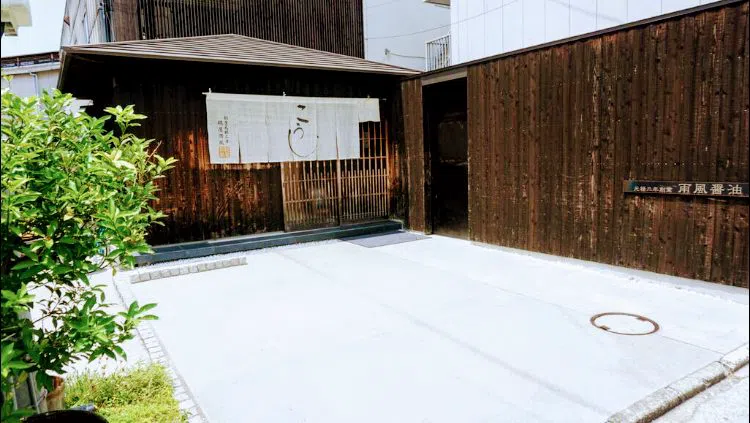
South in Sakai, just outside Osaka proper but an easy add-on, Koujiya Amekaze (糀屋雨風) has been brewing since 1689 and goes further than anyone else on this list in letting visitors actually work the koji with their hands rather than just observe. Classes are bookable by phone or email, suit small groups best, and run roughly ¥3,000–5,000 per person. If you only have time for one workshop and don't mind the trip south, this is the more hands-on of the two.
The Working Breweries: Soy Sauce and Sake
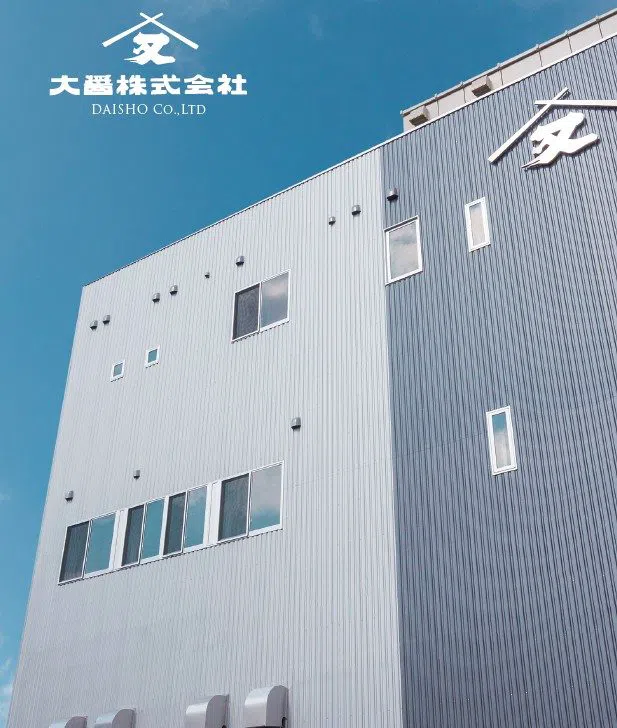
Daisho Co., Ltd. (大醤株式会社), also in Sakai, is the only working soy sauce brewery left in Osaka Prefecture — founded in 1800, still operating as a genuine industrial fermentation house rather than a showpiece. It's also the most group-friendly stop on this entire list: free tours for 10 to 60 people, weekdays only, excluding August and December, running about 90 minutes with advance booking required. Products start at ¥500. Book this one first if you're travelling with a large group — nothing else here scales the way Daisho does.
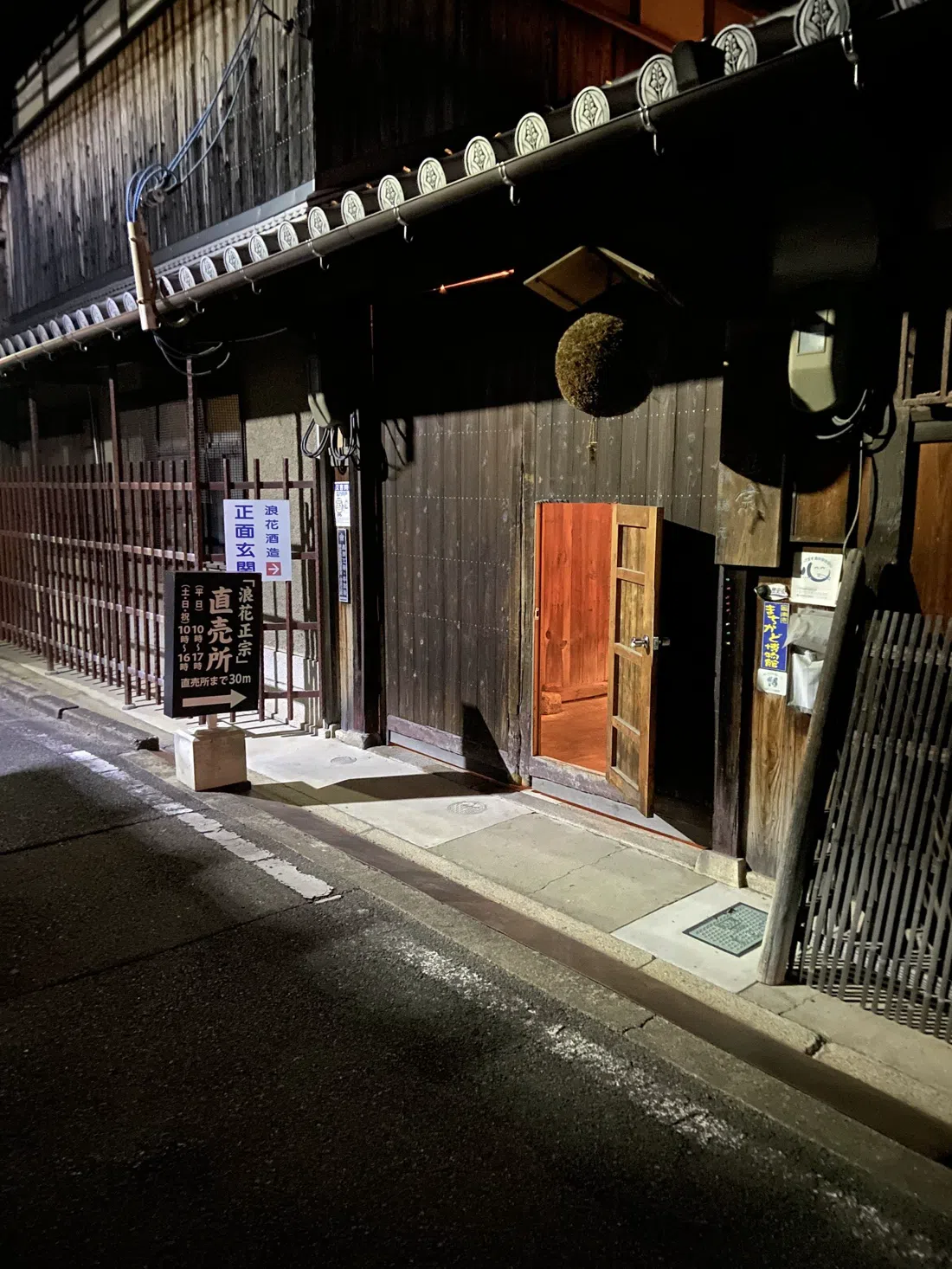
Naniwa Shuzo (浪花酒造) in Hannan City is Osaka's oldest sake brewery, founded in 1716, and it's the opposite of Daisho in every practical sense. Tours run in tiny groups of two to five, only on Thursdays and Fridays, and only between April and September — book well ahead or you'll miss the window entirely. Expect to pay ¥3,000–4,000, which includes a tasting and a souvenir masu cup. Worth the trip out if your dates line up, but flag the seasonal cap to anyone travelling in winter — it simply isn't running.
Pickles, Natto and the Market That Holds It Together
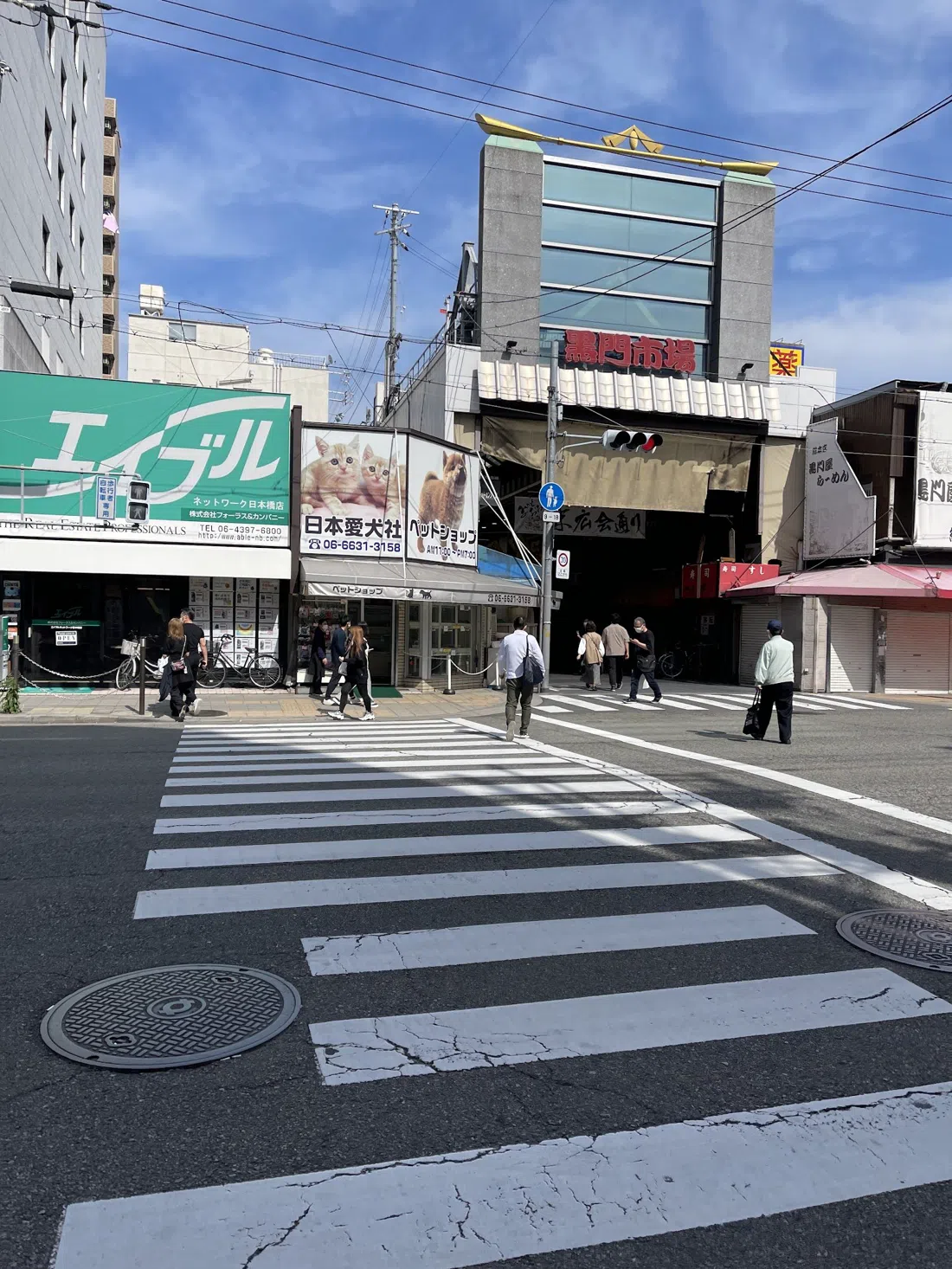
Kuromon Ichiba Market, in Nippombashi, is where this whole piece is anchored — the visible, still-thriving surface of Senba's old wholesale food trade, pickle stalls and all. It's self-guided, suits any group size, and street-food snacking runs ¥300–1,500 per item, but go early: it gets genuinely uncomfortable underfoot by midday.
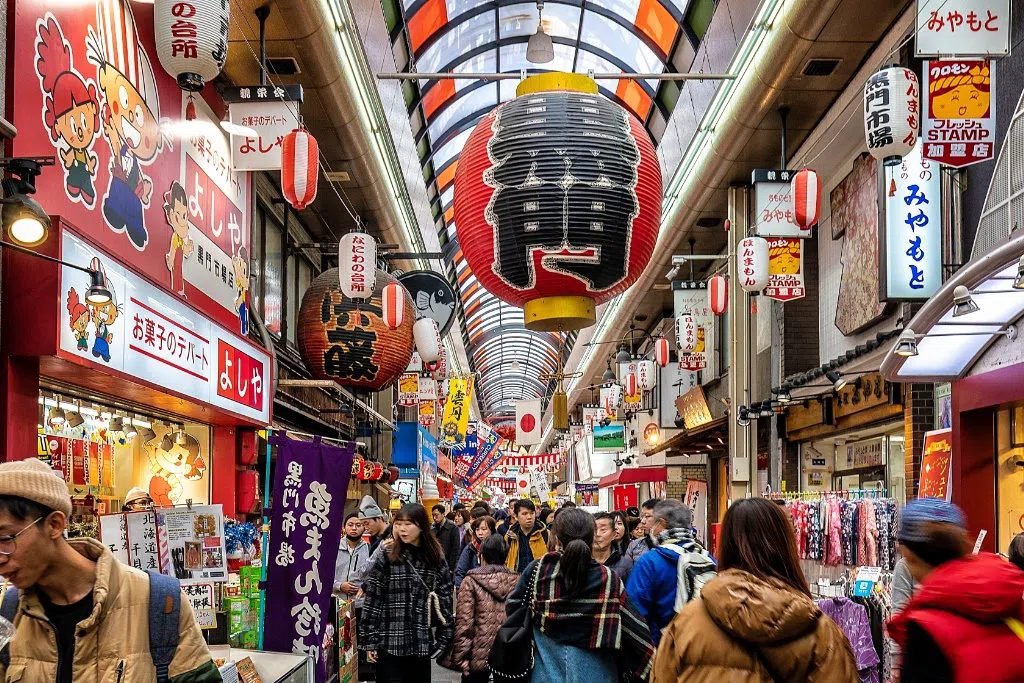
Inside the market, Iseya Honten (伊勢屋本店) has traded pickles since 1897 and once supplied the Imperial court. It's a market stall, not a shop with a door, so there's no reservation needed and no barrier to a group grazing through — items start at ¥300. This is the most accessible working pickle shop in the city for a visitor with no Japanese and twenty minutes to spare.
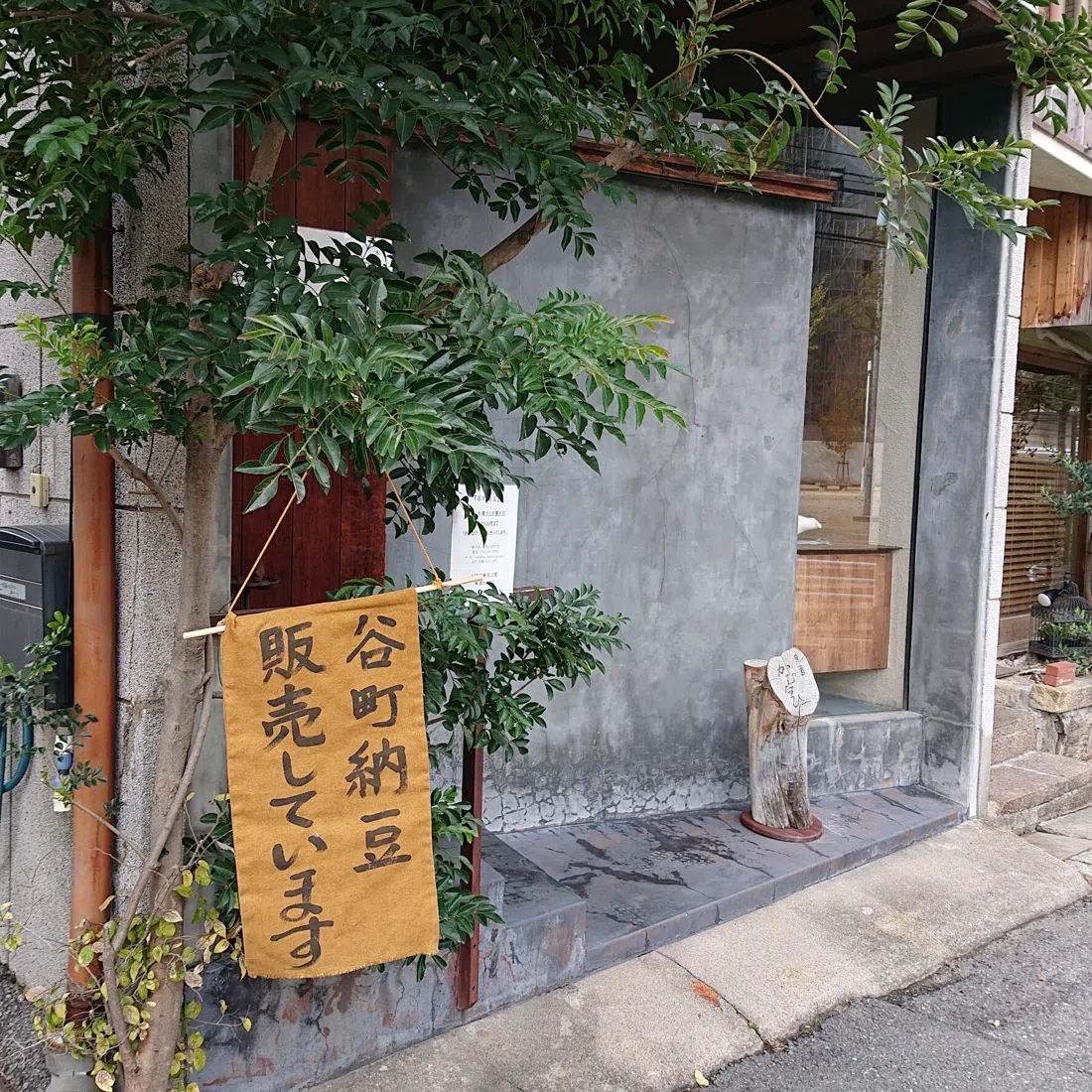
Outside the market proper, Rakudazaka Natto Kobo (楽々坂納豆工房) is Osaka city's only dedicated natto workshop, founded in 2021 by a maker who insists on rice-straw natural bacteria rather than a commercial starter culture — a living-fermentation counterpoint to everything aged and cured on this list. The shop is tiny: good for a duo or trio popping in, not a coach group. A 500g tub runs ¥600–900.
Equip the Kitchen, Then Toast the Craft
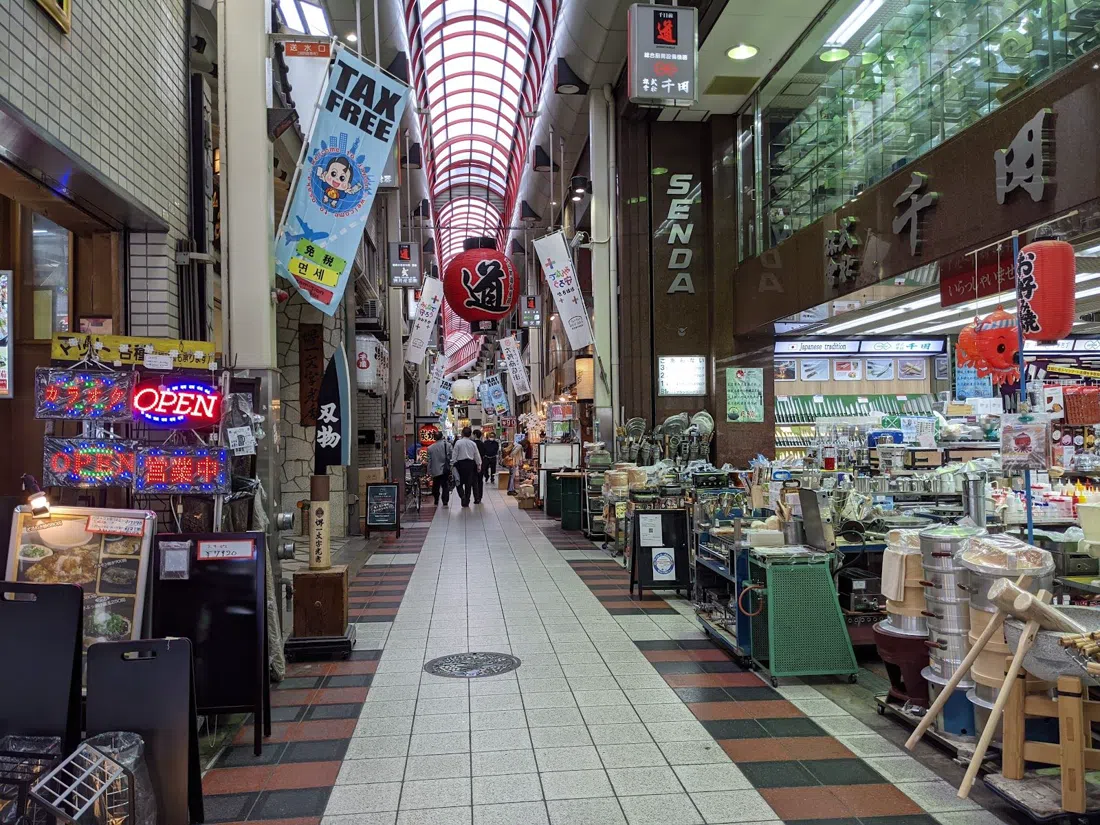
Sennichimae Doguyasuji Shopping Street isn't a fermentation house — it's the literal kitchen-tool arcade that equips every pickle shop and miso maker on this list, and it's the strongest anchor for the kitchen-culture framing of the whole trip. Browsing is free and self-guided, it handles any group size without issue, and knives and tools start around ¥1,000. Even if you're not buying, walking it after Kuromon Ichiba makes the whole trade click into place — the market sells the ferments, this street sells the tools that make them.
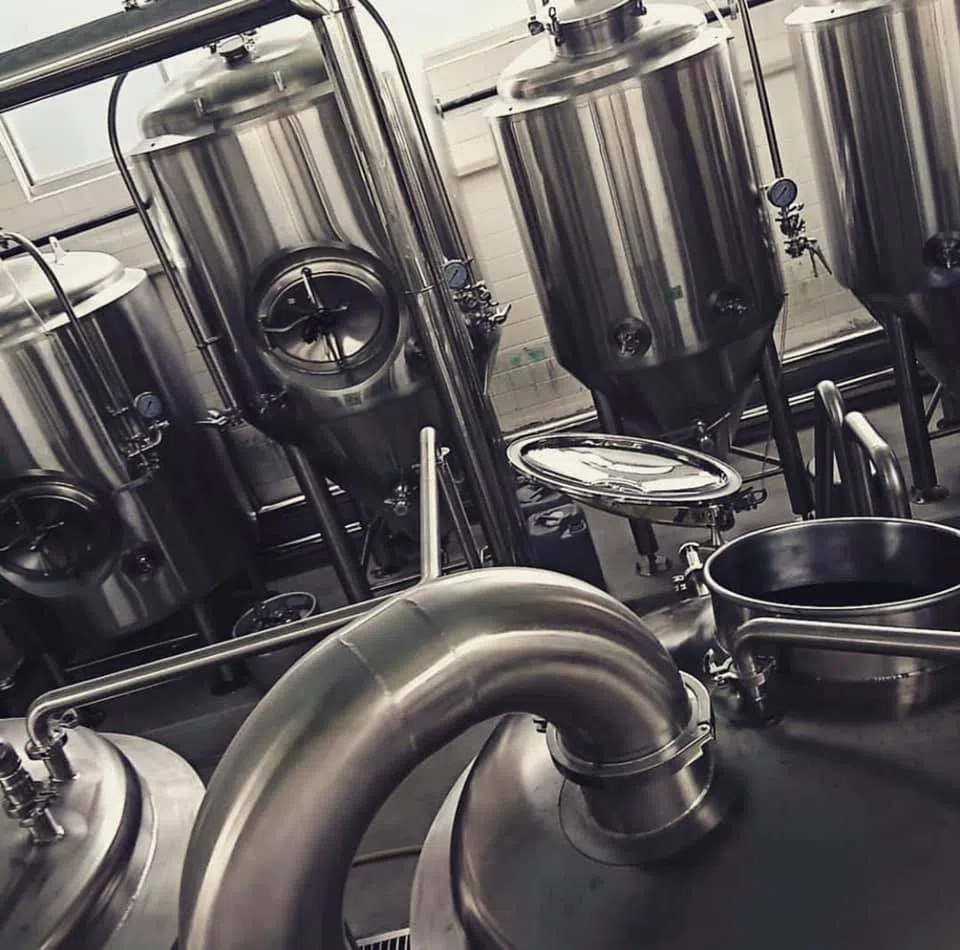
End at Kamigata Beer, a modern fermentation counterpoint in a playful bathhouse-styled taproom — same bacterial craft as everything above, entirely different register. It's weekends-only, bring-your-own-snacks, casual and group-friendly, but there's no reservation system, so turn up and hope for a table. Beers run ¥700–1,000. It's the right note to close a day of centuries-old shopfronts on.
Getting There, Cash, Timing and Budget
Transport. Senba, Kitahama and Nippombashi/Kuromon Ichiba are all a short walk from the Sennichimae, Sakaisuji or Midosuji subway lines — you can do the entire Senba-to-Doguyasuji core on foot in a morning. Sakai (Daisho, Koujiya Amekaze) needs the Nankai Line south from Namba, roughly 20–30 minutes. Hannan City, for Naniwa Shuzo, is further out on the Nankai Main Line — budget the better part of a day if you're combining it with anything else.
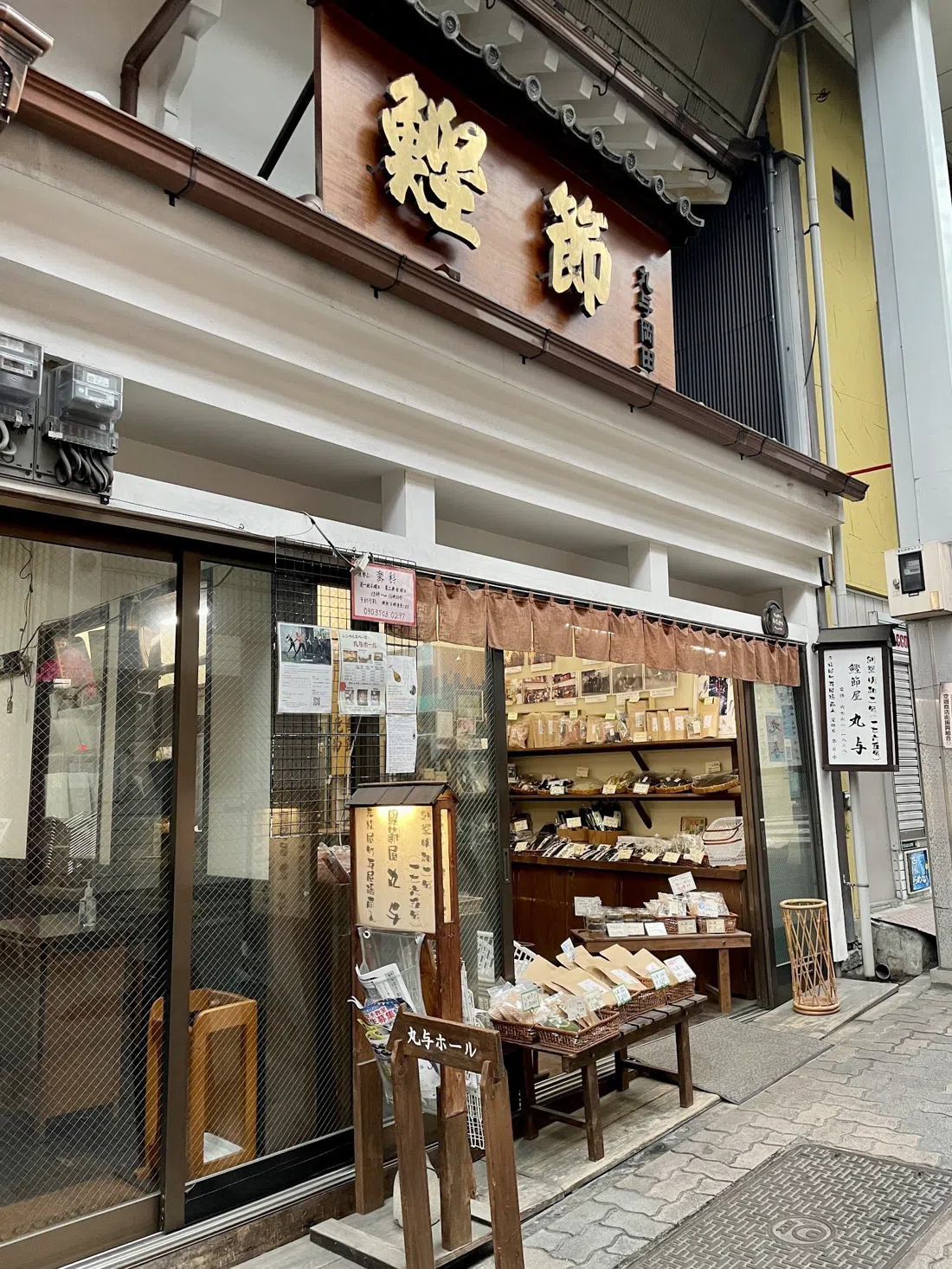
Cash. The old merchant shops — Kansou, Okina Konbu, Maruyo Okada Shoten, Iseya Honten — skew cash-friendly; carry yen in small denominations for tins and packs under ¥3,000. Card acceptance is more reliable at Kuromon Ichiba's larger stalls and at Kamigata Beer.
Timing. Hit Kuromon Ichiba before 10am if you want to move rather than shuffle. Book Daigen Miso's workshop and Naniwa Shuzo's tour at least a week out — the sake brewery especially, given its two-day-a-week, six-month window. Daisho's free tour needs advance booking too, but has far more slots to work with.
Budget. A half-day looping Senba's merchant shops plus Kuromon Ichiba and Doguyasuji costs almost nothing beyond what you buy — call it ¥3,000–5,000 in tins, snacks and tools per person. Add a hands-on workshop (Daigen Miso or Koujiya Amekaze) and you're looking at ¥4,000–6,000 more. The Sakai and Hannan City add-ons are free or near it (Daisho's tour costs nothing; Naniwa Shuzo is ¥3,000–4,000 including tasting), but eat a half-day each in travel time.
If you're basing yourself centrally to cover all of this on foot or short subway hops, start your Osaka hotel search around Namba or Nippombashi — it puts Kuromon Ichiba, Senba and Doguyasuji all within a 15-minute walk. For the rest of the city beyond this pantry crawl, the full Osaka guide covers where to eat, sleep and drink elsewhere in town.