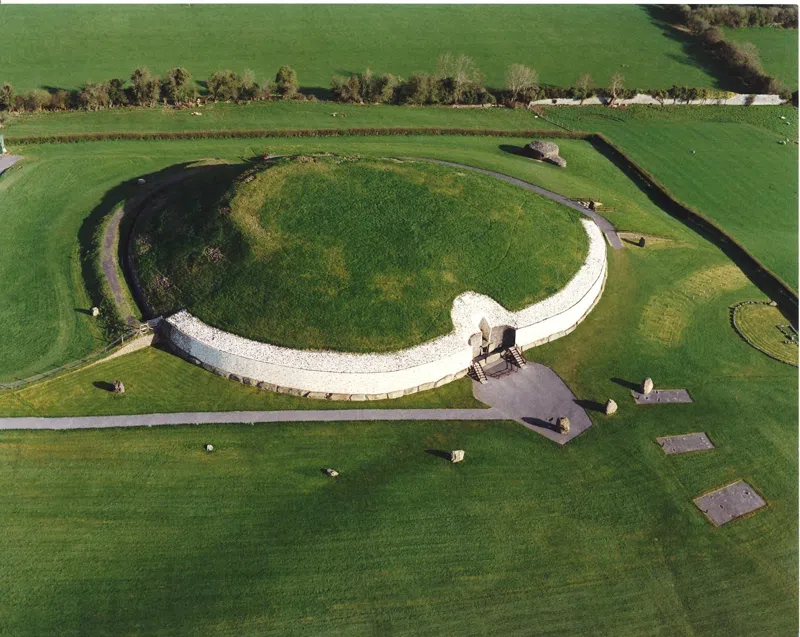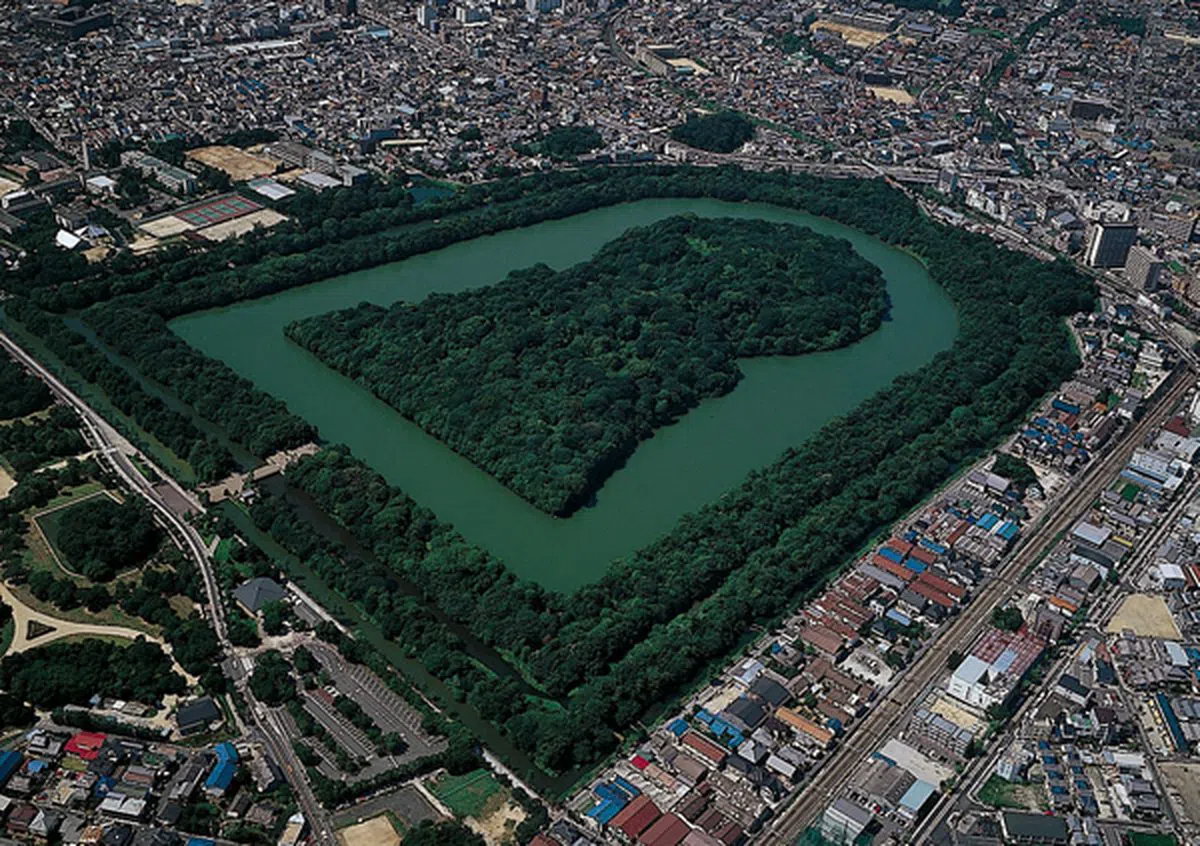

Twenty minutes south of Osaka on a local train, the skyline gives way to something older than any shrine in the city center: forest-covered mounds shaped like giant keyholes, silent behind moats that have held water for over 1,600 years. This is Sakai — a free port that once armed samurai with the finest blades in Japan while its merchants, one of them a tea master who would quietly rewrite Japanese aesthetics, drank matcha from bowls worth more than the swords stacked next door. Almost nobody staying in Osaka's hotels makes the trip. The ones who do find that the tombs, the knives, and the tea ceremony aren't three separate attractions — they're the same port-city story, told three different ways.
The Tombs That Gave Sakai Its UNESCO Status
Start at the Mozu Kofun Group Visitor Center (Sakai-ku, a short walk from Mozu Station on the JR Hanwa Line), and start here specifically — not at the tomb itself. Admission is free, the doors are open to drop-ins and school groups alike, and the English panels do something the mound outside can't: they explain what you're actually looking at. Seen from ground level, a kofun just reads as a low, tree-covered hill ringed by water. Seen through the visitor center's models and aerial photography, it resolves into a keyhole-shaped megastructure, built by a workforce historians estimate in the tens of thousands, for a ruler whose name is still debated.
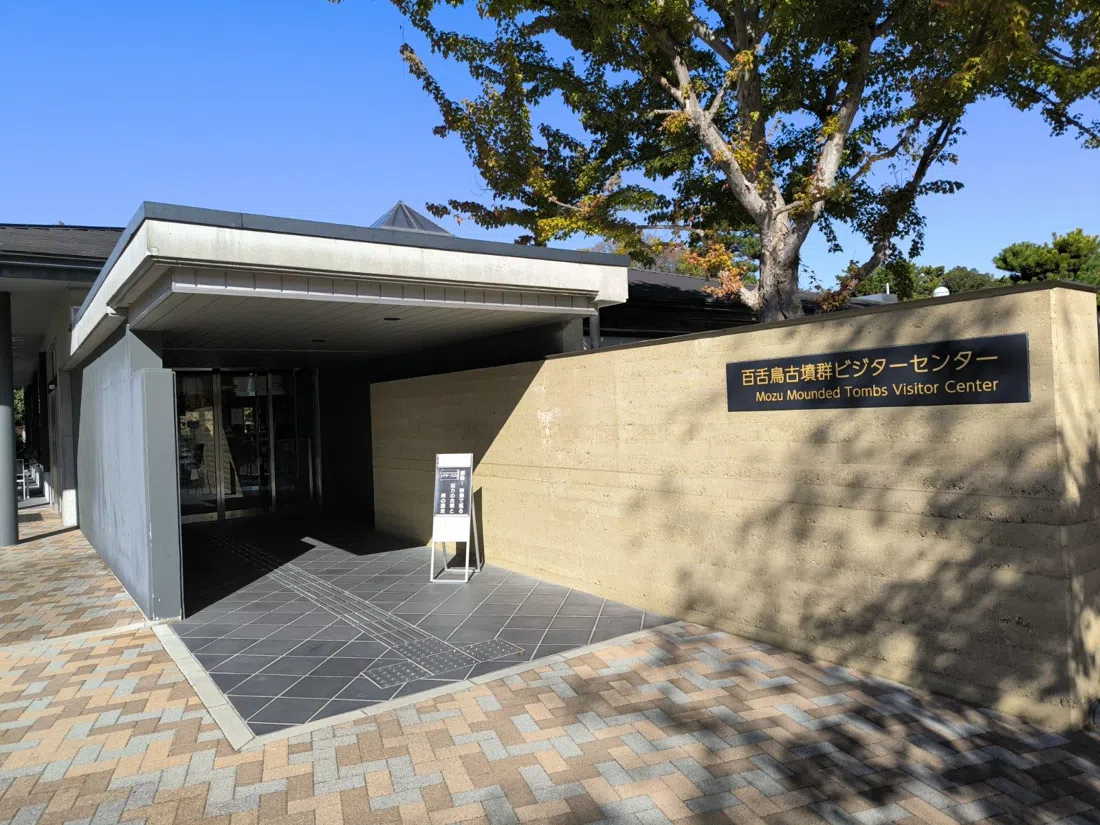
That ruler is conventionally attached to Daisen Kofun (Nintoku-tenno-ryo Kofun), also within the Mozu cluster in Sakai-ku — the largest of the roughly 44 Mozu tombs and the reason Sakai carries UNESCO World Heritage status at all, inscribed in 2019 as the centerpiece of the Mozu-Furuichi Kofun Group. There's no booking system and no admission fee, because there's technically nothing to enter: the mound itself is off-limits, protected as an imperial mausoleum, and the closest most visitors get is the Daisen-Ryo Kofun Observation Deck, a public platform built specifically because the tomb is too large and too tree-covered to read from the perimeter path. It photographs like a park. It's actually a burial monument on the scale of a small hill, and standing at the observation deck after the visitor center is the difference between looking at a forest and looking at the fifth century. Both sites take groups of any size without notice — this is public open space, not a ticketed attraction.
Where the Artifacts Actually Live
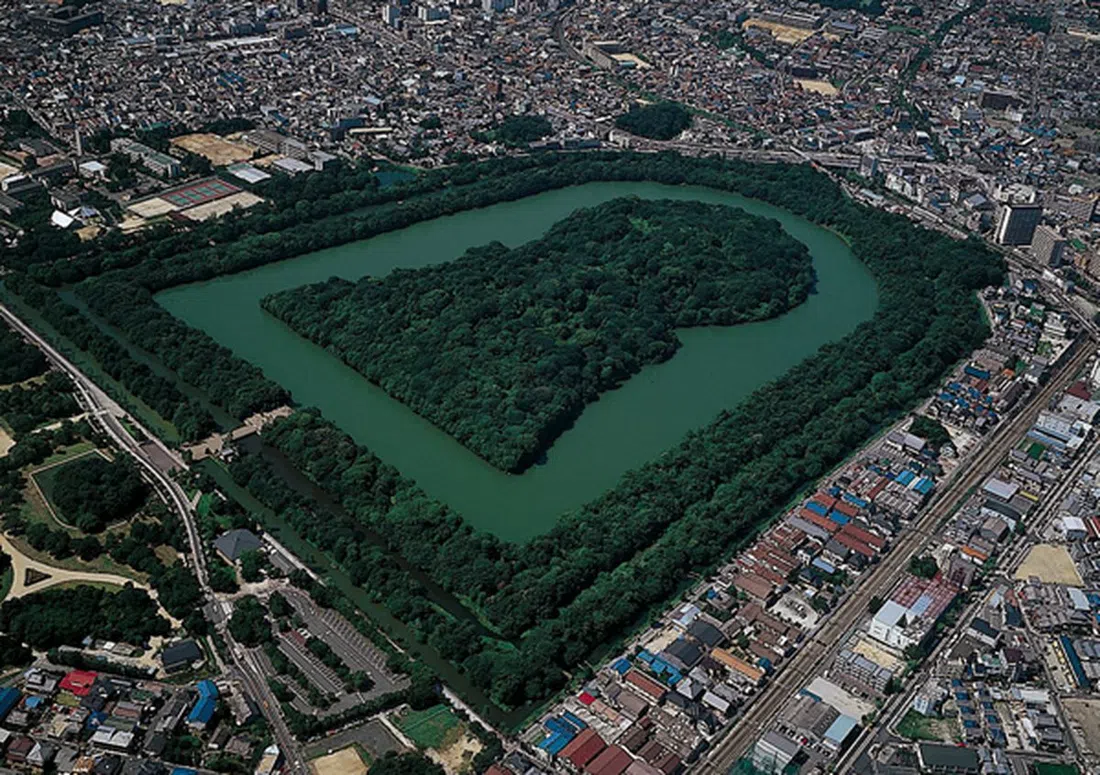
The kofun tell you what was built. The Sakai City Museum (Sakai-ku, within Daisen Park, an easy walk from the tomb) tells you what was found inside — and around — them: haniwa figures, grave goods, and the archaeological record that dates the tombs and the port city growing up beside them. It reopened in April 2026 after an HVAC renovation, general admission is a flat ¥200, and it accepts group tours with advance notice, which makes it a natural second stop after the visitor center rather than a competing one — the visitor center gives you the shape of the story, the museum gives you the evidence.
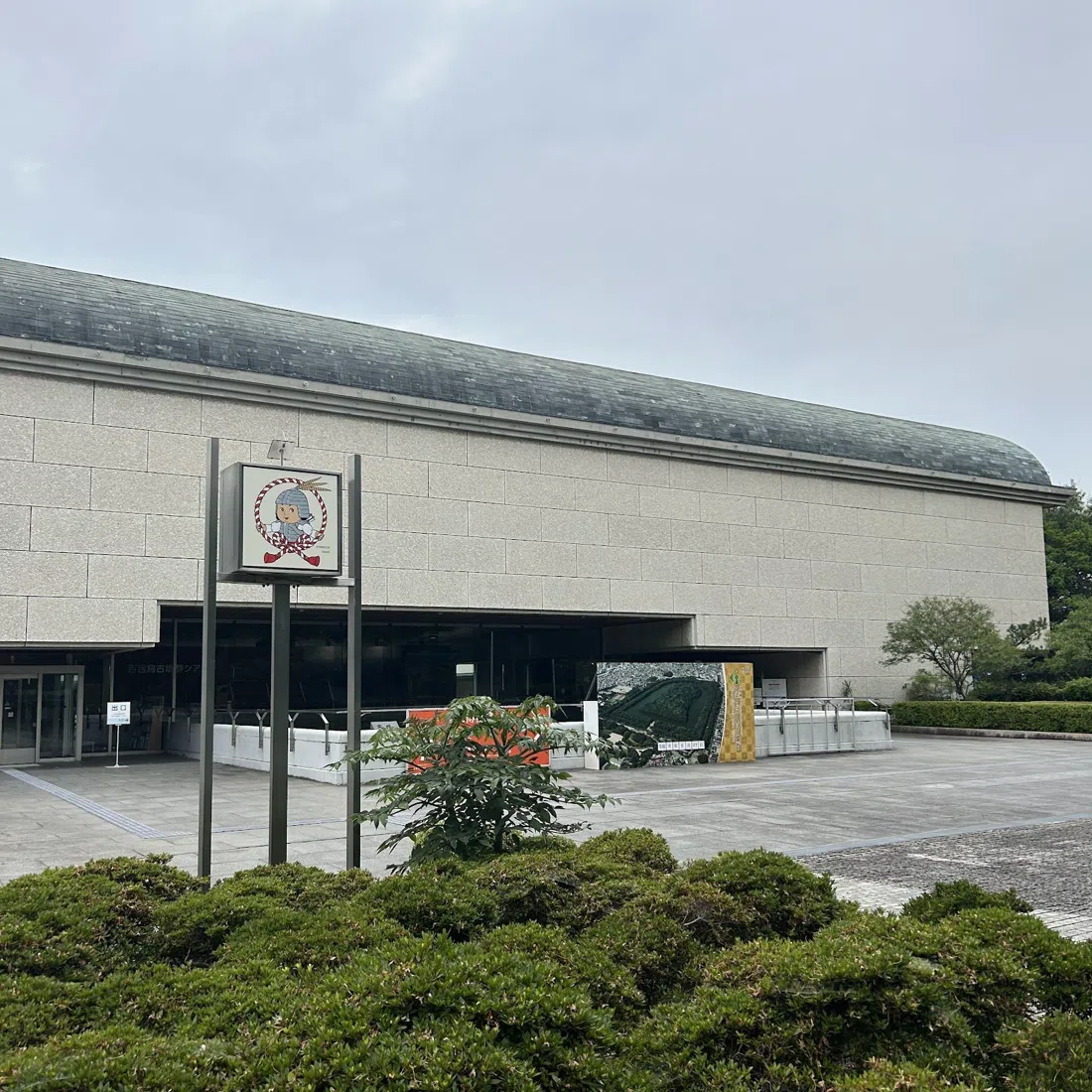
For the merchant-port side of Sakai's history, the Sakai Municipal Machiya Historical Museum, the preserved Yamaguchi Residence in the city's old commercial core near Sakai Station, does something neither the tombs nor the knife shops can: it puts you inside an actual surviving trading-family house from the era when Sakai's independence and wealth rivaled anything in Japan. Entry is a few hundred yen, volunteer guides run tours with some English available, and it suits small groups comfortably — it's a house, not a hall, so this isn't a stop for large tour buses.
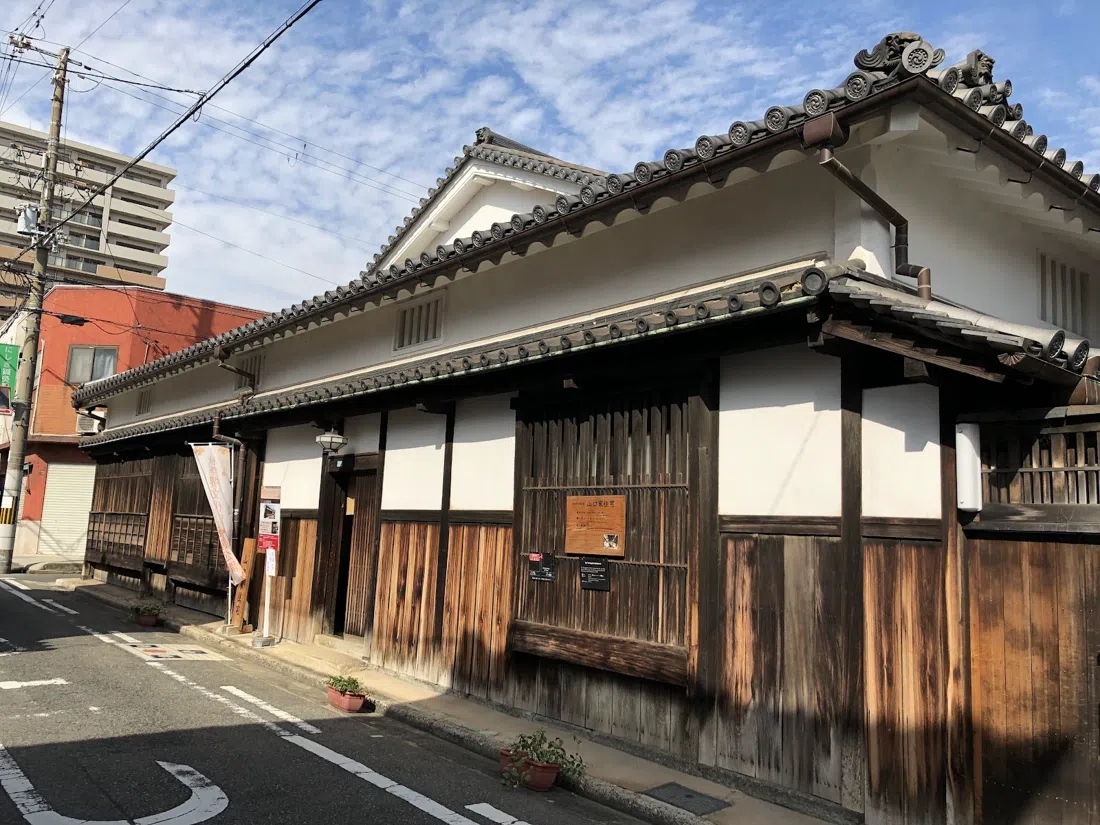
Sakai's Living Knife Quarter
This is the part of Sakai that professional kitchens already know even when tourists don't: something like 90% of the knives used by professional chefs across Japan are still forged in this city, in a northern pocket of workshops that has been doing this since Sakai's Edo-era gunsmiths — trained to a standard the whole country needed — turned their skills to blades once the demand for firearms dried up.
Get your orientation first at the Sakai Traditional Crafts Museum, also known as Sakai Denshokan, in the old town near Sakai Station. It's free, drop-in groups are fine, and it displays and sells the full spectrum of the city's crafts — knives foremost among them — before you ever meet a smith in person. Some hands-on classes need a reservation, but simply walking the floor doesn't.
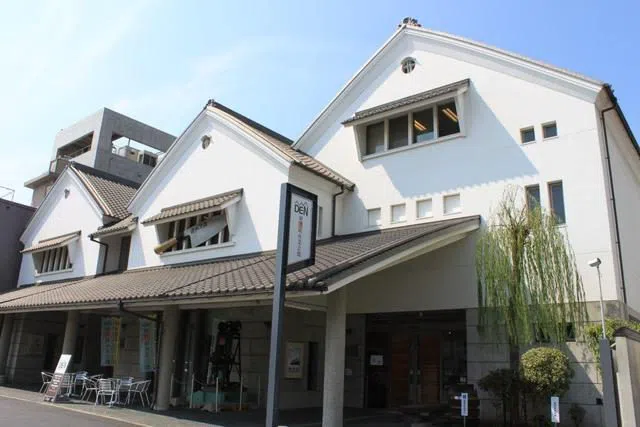
For a narrower, technique-focused counterpart, the Sakai Hamono Museum, known as CUT, sits a few streets over in the same old-town knife quarter and is a distinct institution from the Denshokan — worth naming separately since it goes deeper on the mechanics of forging and the history of the tools themselves. Admission is free, and it suits small groups well, though it's closed Tuesdays, which is easy to miss when planning a single day trip.
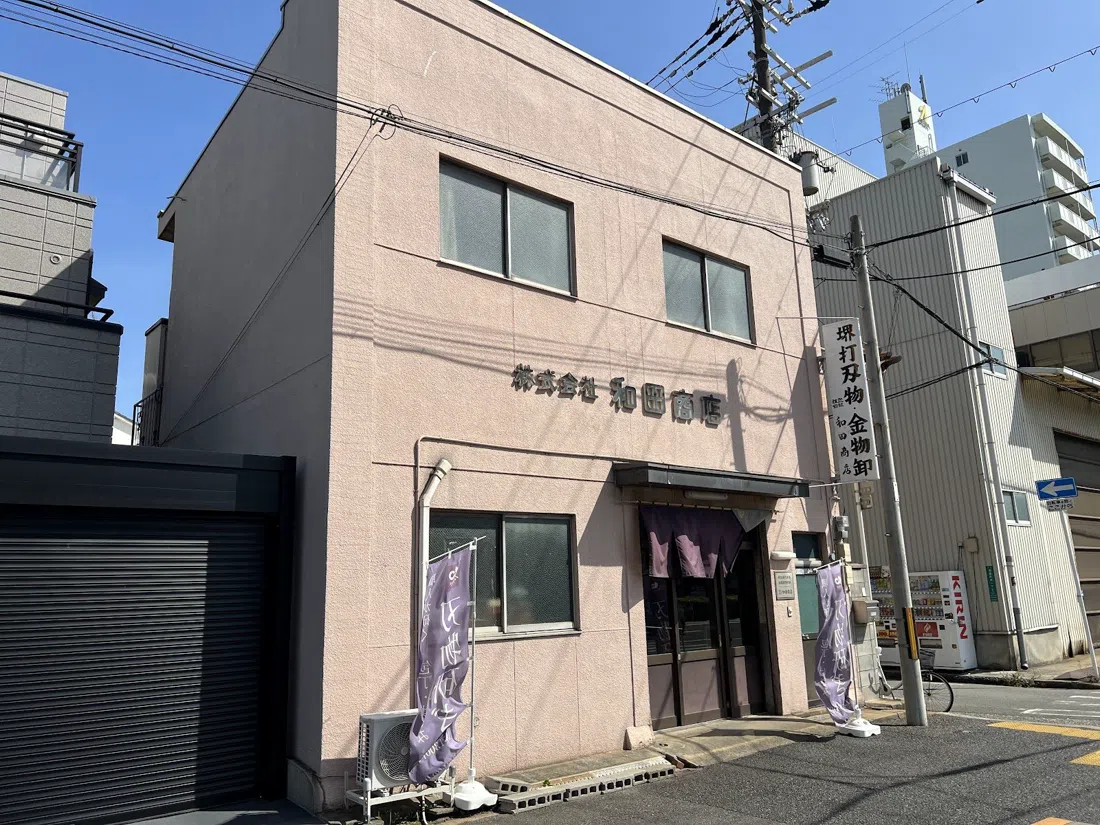
The workshops are where the theory turns into something you can hold. Wada Shoten, one of the working shops scattered through the knife quarter north of Sakai Station, runs the rare session where an international visitor doesn't just watch a blade get made but actually sharpens and handle-fits one to take home — small groups, by reservation, with English-guided sessions available through booking partners, running roughly ¥5,000–8,000 per person. It's the workshop to book if you want a souvenir with your own hands in it, and the one most likely to sell out, so reserve before you land rather than after.
Mizuno Tanrenjo, another forge in that same northern knife quarter, is the opposite kind of visit: an appointment-only workshop where you meet the master smith himself and watch a live demonstration rather than a factory process. There's no drop-in option — contact ahead, and expect small groups only — but viewing is typically free with an appointment, with knives available to purchase separately. This is the stop for someone who wants to see the craft rather than practice it.
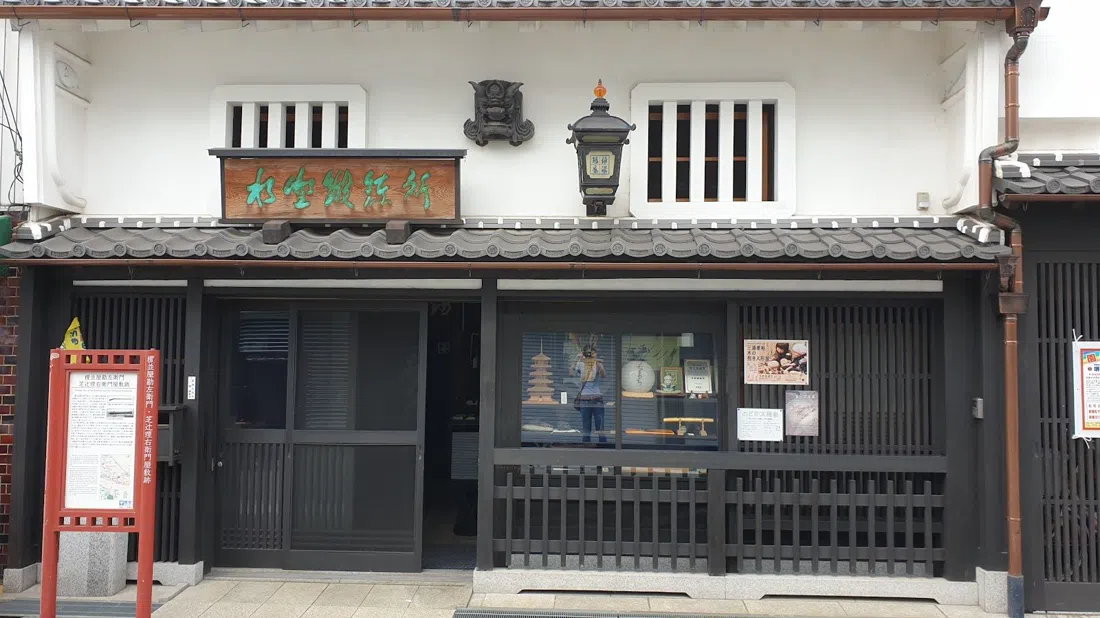
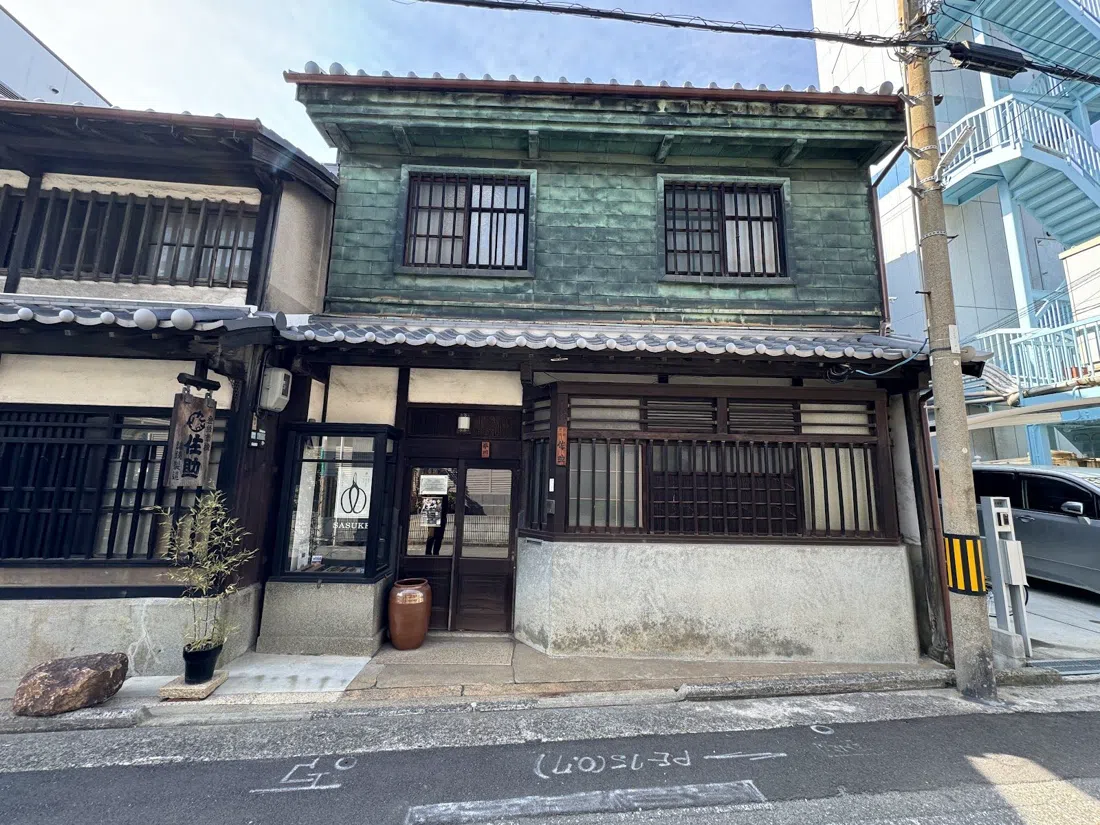
Sasuke, also in the knife quarter, rounds things out with a detail most visitors miss entirely: Sakai's most prized blades aren't only kitchen knives. Sasuke is a working forge where hands-on trial of both blades and scissors happens at the end of a reserved tour, and one of only five living scissor masters in the craft works here — a genuinely rare thing to witness. Tour pricing varies by booking, roughly ¥3,000–6,000, and reservations are required in advance; this isn't a walk-in stop.
Sen no Rikyu's Sakai
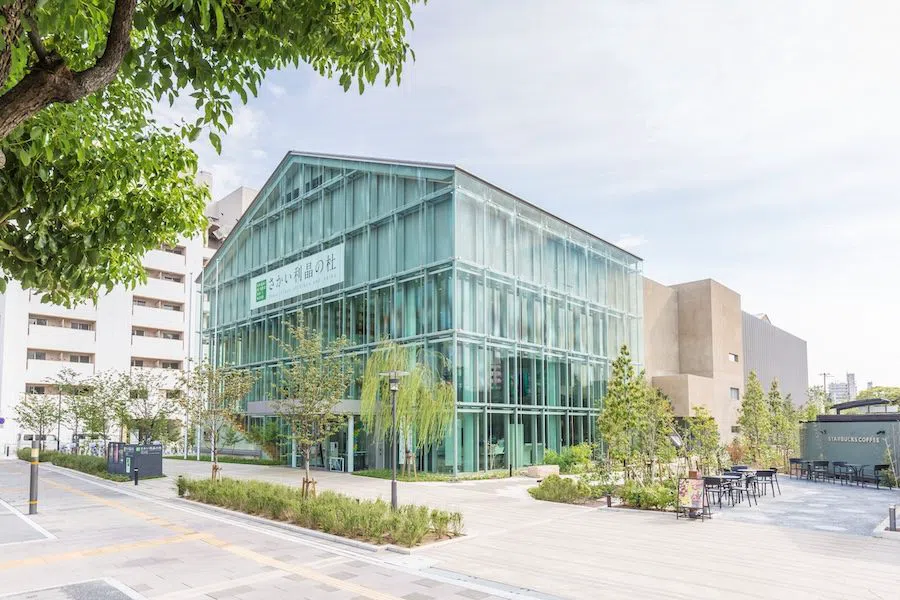
Sakai's third identity — after ancient tombs and modern-day steel — is as the birthplace of Sen no Rikyu, the tea master whose 16th-century aesthetic of restraint still defines how tea ceremony is practiced in Japan. Sakai Risho no Mori, the Sen no Rikyu Chanoyu Museum in the old town, is the core of that story: a birthplace museum built around a reconstructed version of the Taian tea room, with general and school group reservations explicitly offered. Museum admission runs ¥300–400, and the tea ceremony experience itself, roughly ¥500–1,500, is run in the ryurei style — a seated, table-based format designed for visitors who can't kneel on tatami through an extended ceremony, foreign guests very much included. This is the single most accessible formal tea experience listed here, and worth booking ahead of a day trip rather than hoping to walk in.
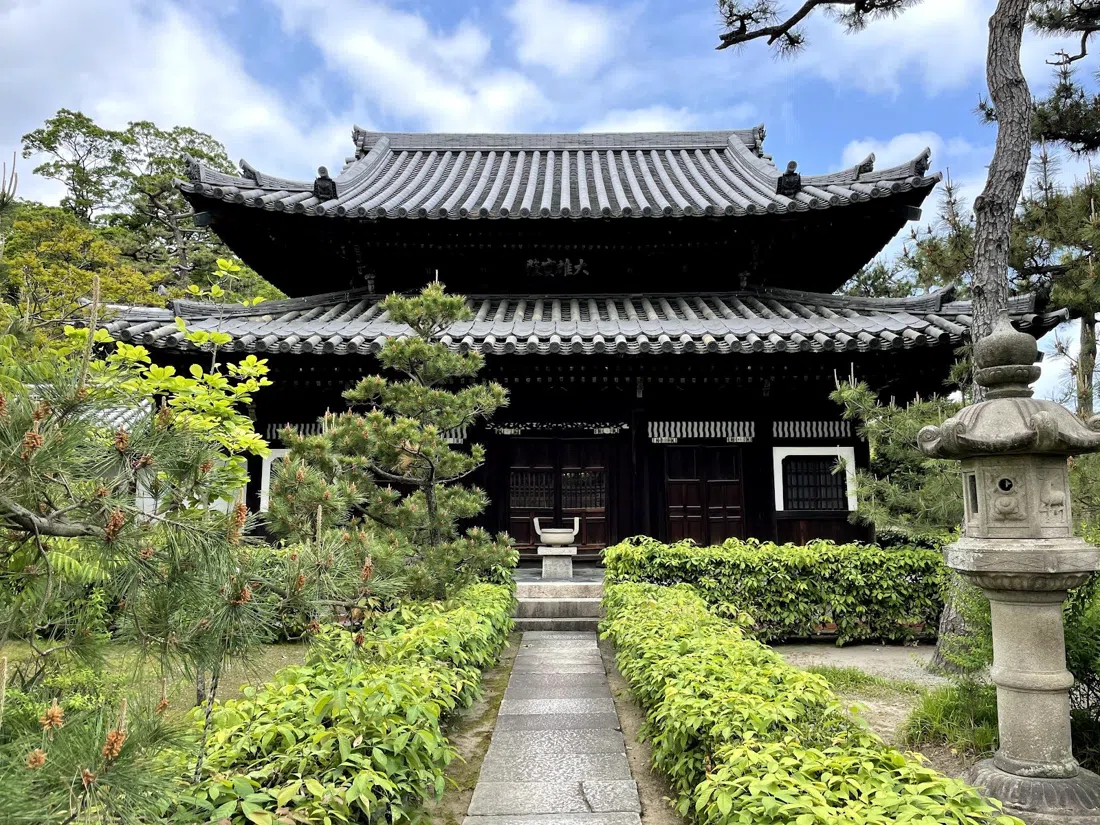
Nanshuji Temple, a Zen temple and garden also in Sakai's old town, is the quieter half of the same story — the place where Rikyu actually trained, and where his memorial now stands. Admission runs around ¥400, and while the grounds are open to individual and group visitors alike, some of the inner tea-room areas need advance arrangement to access. Where Risho no Mori tells Rikyu's story through exhibits, Nanshuji tells it through the garden he would have actually walked.
Beyond the Brief: A Shrine, a Bicycle Museum, and a Lighthouse
Sakai's history didn't stop at tombs, blades, and tea, and three further stops round out a longer day here without straining the theme.
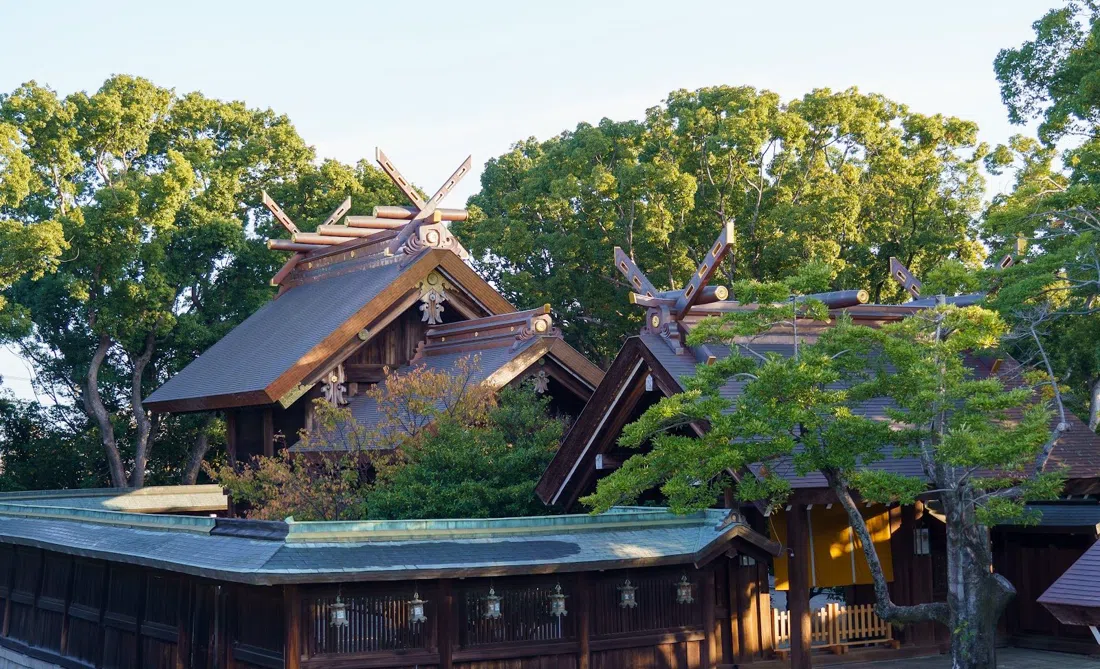
Otori Taisha Shrine, in Sakai's Nishi-ku ward near Otori Station, predates even the kofun-era tombs in local mythology, and its open grounds — free, no restriction on group size — give the itinerary a living-faith counterpoint to a day otherwise spent in museums and workshops. It's a genuine Shinto shrine still in active use, not a preserved relic.
The Shimano Bicycle Museum, in Sakai-ku, an easy detour from the old town, is the itinerary's left-field addition, and it earns its place: Sakai has been Japan's bicycle-manufacturing capital since those same Edo-era gunsmiths-turned-bladesmiths retooled again for precision-engineered frames and components, a clean throughline from sword steel to modern manufacturing. Adult admission is ¥500, it's family- and group-friendly, but it keeps an unusual closure schedule — Mondays, Thursdays, and Fridays — so check the calendar before building it into a fixed itinerary.
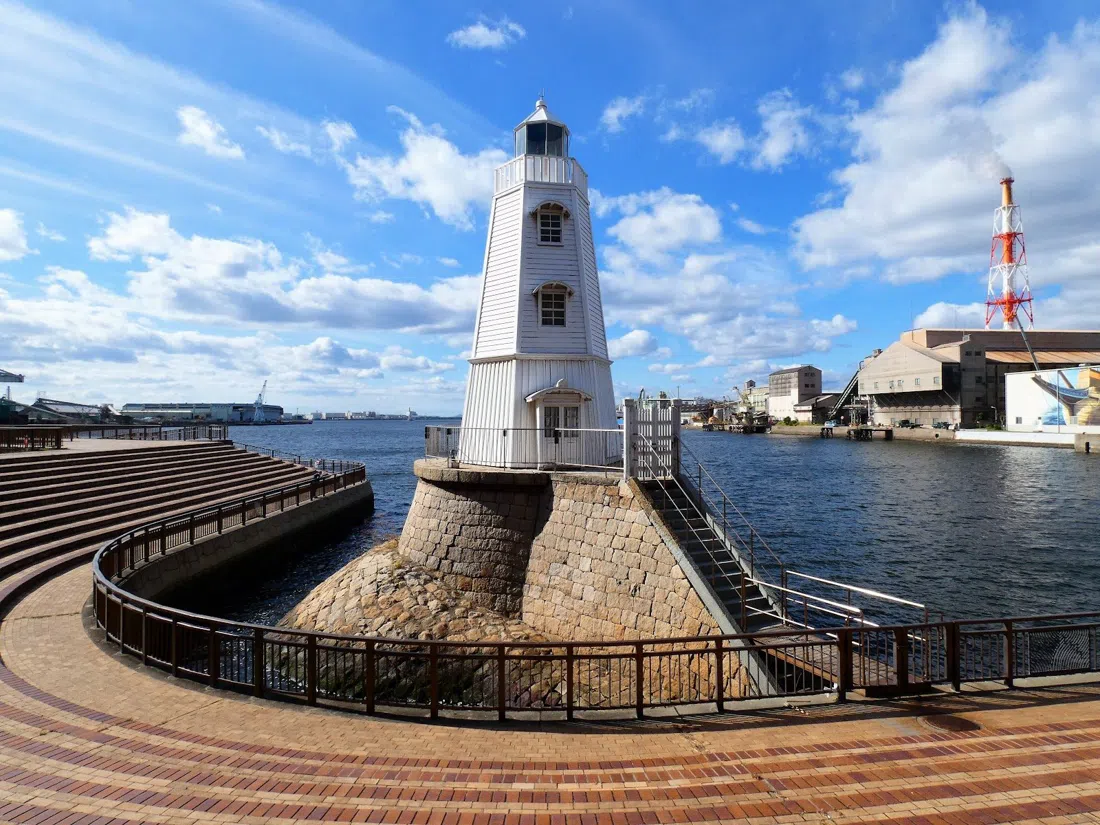
Close the day at the Old Sakai Lighthouse, standing at the mouth of Sakai's old harbor — the closest thing left to the port that made all of this possible in the first place, the harbor through which the knives shipped and the merchants who funded Rikyu's tea culture made their money. The exterior is viewable anytime and free; the interior opens only on rare special days, so don't plan around getting inside. As a quiet, photogenic coda after a day of workshops and museums, it works precisely because there's nothing to book and nothing to rush.
Planning the Day
Getting there: Sakai splits into two access points depending on what you're visiting first. For the kofun cluster, take the JR Hanwa Line to Mozu Station — from Tennoji, that's a rapid train to Sakai-shi (about 7 minutes) and a local connection to Mozu (about 4 minutes), then a 10-minute walk to Daisen Kofun. For the old town — the knife quarter, Risho no Mori, Nanshuji, the Machiya museum, and the lighthouse — take the Nankai Main Line from Namba to Sakai Station, roughly 15 minutes. The two clusters aren't within comfortable walking distance of each other, so a single day trip generally means picking one district as the anchor and treating the other as a return visit, or budgeting taxi or bus time between them.
Cash: Most of Sakai's smaller museums, temple admissions, and workshop deposits are still cash-friendlier than central Osaka — the Denshokan, CUT, Nanshuji, and the Machiya museum in particular are the kind of low-ticket-price, family-run stops where a card reader isn't guaranteed. Carry yen in small denominations; none of these venues will be a problem for a traveler used to Osaka's more card-forward center, but none of them will bail you out if you arrive with nothing but a card either.
Timing: The knife workshops (Wada Shoten, Mizuno Tanrenjo, Sasuke) require advance reservation, in some cases days ahead for English-guided sessions — book these before the trip, not on the morning of. The museums and the kofun sites themselves are drop-in friendly. Budget a full day if you're combining the kofun cluster with the old town; a half-day if you're picking one district and going deep, which is the better plan for anyone also wanting to work around CUT's Tuesday closure or the bicycle museum's Monday/Thursday/Friday closures without a wasted trip.
Budget: This is one of the cheapest serious day trips out of Osaka. Entry fees across the museums and temples top out around ¥400–500 each, several sites (the kofun themselves, the visitor center, Otori Taisha, the Denshokan, CUT) are free, and the one real expense is a hands-on workshop — ¥3,000–8,000 depending on which forge and how much handling is involved. A couple can comfortably do the full old-town circuit, including a Risho no Mori tea ceremony and a knife museum stop, for well under what a single nice dinner costs back in central Osaka.
If Sakai convinces you to base further south for a night rather than day-tripping back, start your Osaka hotel search — and for everything else the city offers beyond this one port town's history, the full Osaka guide covers it.