Osaka travel guides & articles
All 23 in-depth pieces we’ve published on Osaka — newest first.
Tours & tickets
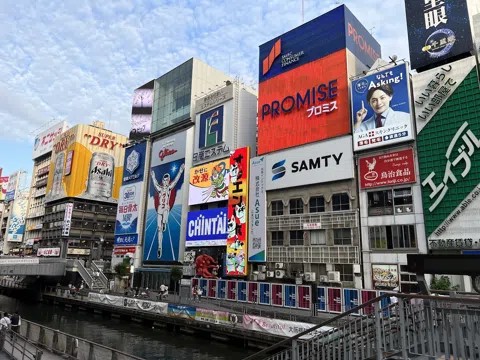
Osaka's Minami After Dark in Groups of Six or Fewer
How to take Osaka's loudest quarter at the group size each place is actually built for: the canal, the backstreet bars, the market mornings.
Tours & tickets
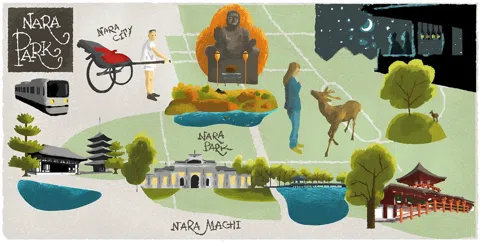
Bowing Deer and a Giant Buddha in Nara Park from Osaka
A calm, hour-by-hour read on Nara Park: the 7:30 opening that beats the queue, what the tickets actually cost, and which corners suit couples rather than coach parties.
Tours & tickets
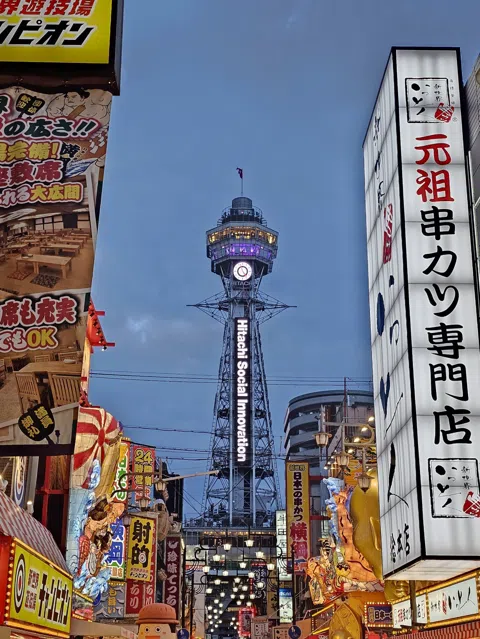
Eating Under Tsutenkaku Tower in Osaka's Shinsekai
The tower is a short climb with a long view over your own dinner, and here is how to ride it, when to go, and how to eat the lanes below it without queueing twice.
Tours & tickets
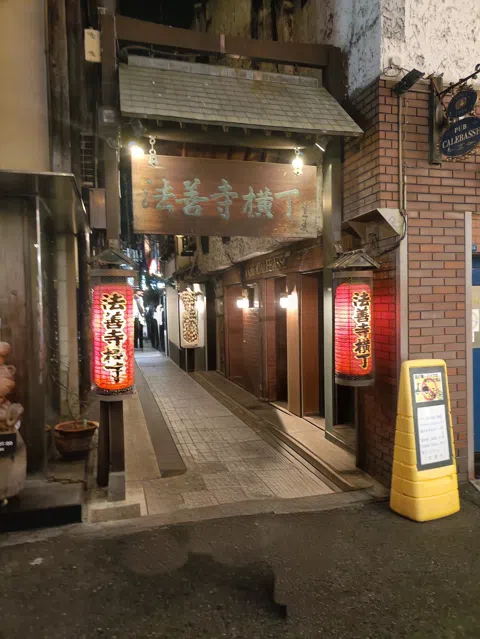
Moss, Lanterns and Ladles in Osaka's Hozenji Yokocho
A stone lane behind Dotonbori that takes ten minutes to walk, sixty kitchens along it, and a statue buried in moss that you wet with a ladle of water. How to walk Hozenji Yokocho properly, and what to eat while you are there.
Tours & tickets
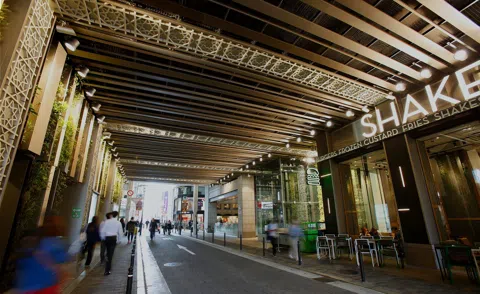
How to Walk Shinsaibashi Like You Live in Osaka
The eight-block arcade at the centre of Osaka's Minami changes character every few hours. When to walk it, where to step off it, and what your money actually buys.
Tours & tickets
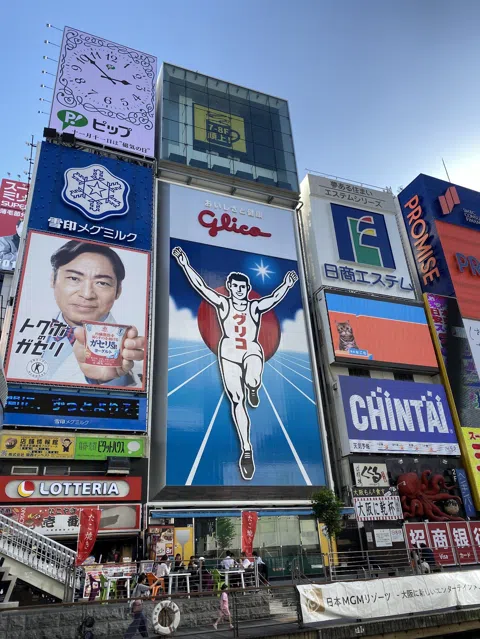
Eating and Walking Osaka's Dotonbori After the Lights Go On
How to do Osaka's loudest four hundred metres properly in a small group: the boat, the wheel, the takoyaki counters, and the quiet alley ninety seconds off the neon.

Finding Autumn Colour Without Leaving Osaka
The colour comes in three waves between mid-October and early December, almost all of it on a single fare, and the dates, ticket prices and closing times are what catch people out.

How to Do Universal Studios Japan and Still See Osaka
A first day at Universal Studios Japan, ordered so the tickets are settled first, the bay crossing fits the afternoon, the griddle counters get their turn and the evening ends in a bathhouse.
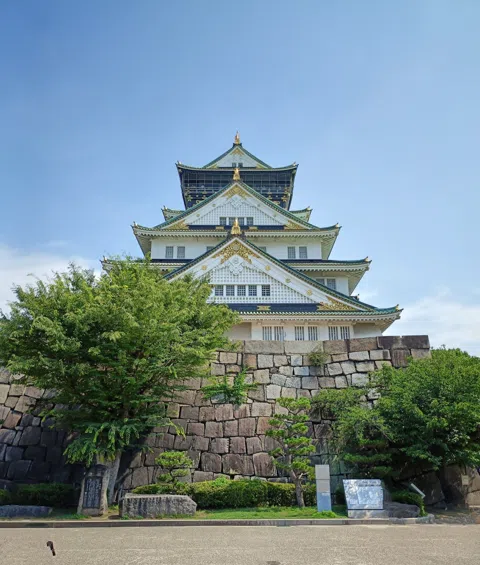
Your First Day at Osaka Castle, Hour by Hour
Tickets, the stairs the lift skips, the buried wall almost nobody visits, and the closures that change day by day and can wreck a first-timer's plan.
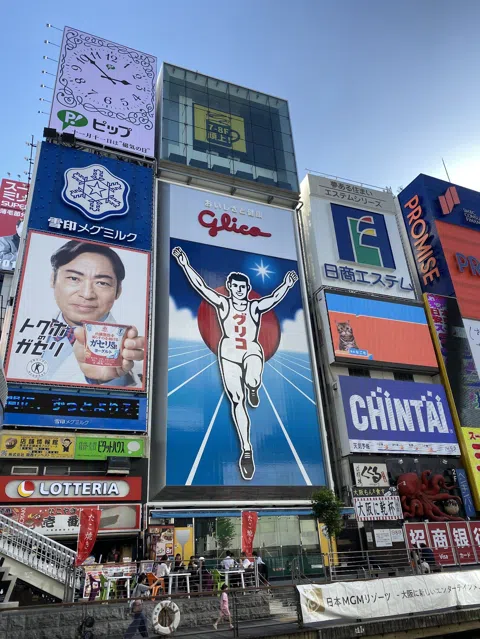
Three Days in Osaka and What Each One Buys You
Two nights is the floor and three is the honest answer, and each day in Osaka buys something specific: the canal after dark, a shrine older than Japanese Buddhism.
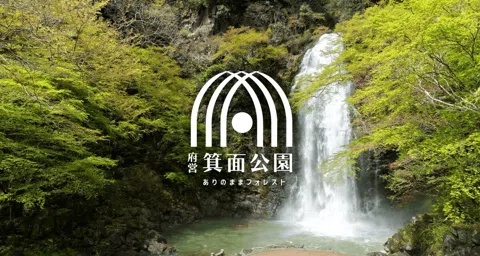
Minoh Falls and the Easiest Green Day Out of Osaka
The gorge walk starts four minutes from the station and thirty from Umeda, and north Osaka has as much again to fill the rest of a free morning.
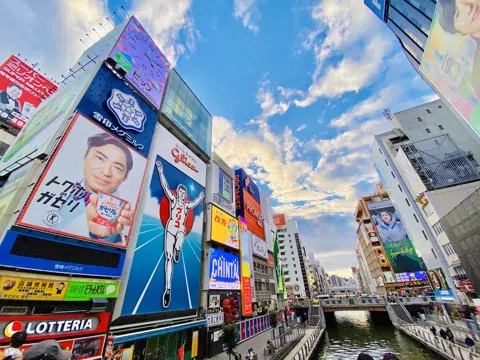
Choosing Where to Sleep in Osaka on a First Trip
Osaka has two downtowns and a quiet middle that most first-time visitors never think to book. Here is what each one costs, how loud it is at night and what sits next to it.
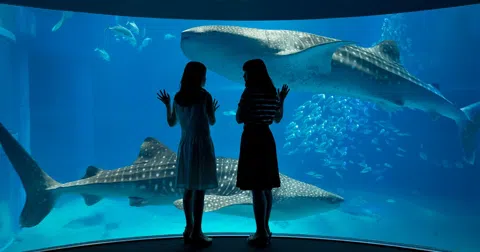
Osaka Aquarium Kaiyukan and an Easy Half Day on Tempozan
The aquarium, the wheel, the brick warehouses and the pier sit inside four hundred metres of Osaka waterfront, and an afternoon is enough to walk all of it without hurrying anyone.
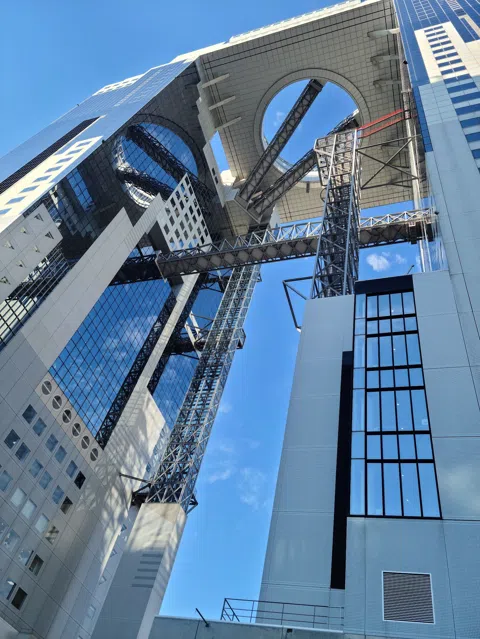
Where to Watch Osaka's Yodogawa Fireworks and Get Home After
Osaka's Yodogawa fireworks land on Saturday 17 October 2026. What a seat costs, where to eat in Juso either side of it, and how a hundred thousand people get off the riverbank.
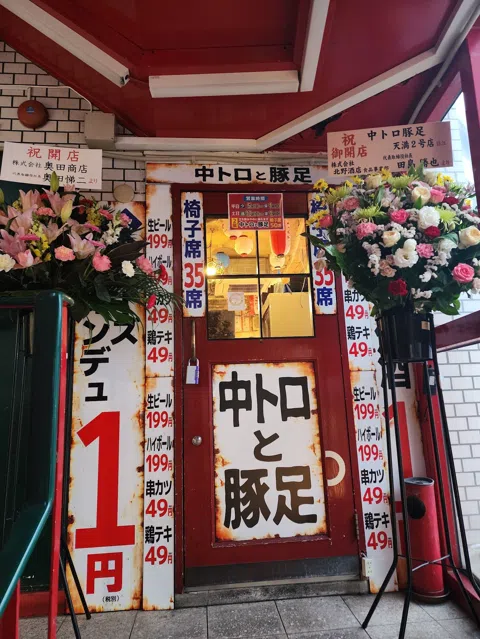
Osaka After Dark: Tenma's Shotengai, Kyobashi's Yatai
Beyond Dotonbori's neon, Tenma's shotengai and Kyobashi's yatai alleys are where Osaka actually eats after dark — here's how to crawl both, honestly, in 2026.
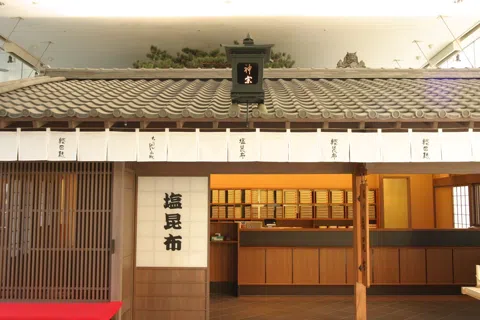
Osaka's Kansai Pantry: Miso, Pickles and Koji
In the merchant lanes behind Kuromon Ichiba, century-old shops still cure kelp, mash soybeans and shave bonito by hand — here's how to eat and shop your way through Osaka's fermented core.
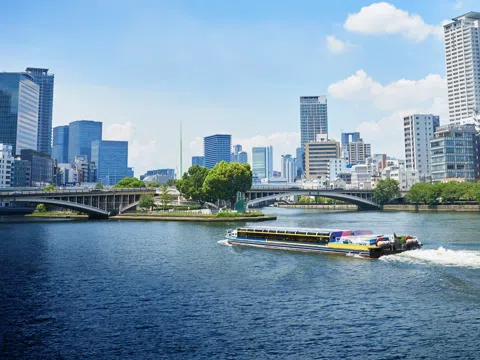
Osaka's Forgotten Boats Still Run the Canals
Beneath the neon, the Dojima and Tosabori canals still carry working cruise boats, chartered yakatabune, and a handful of riverside cafés built for the water trade that made Osaka — here's how to actually get on it.
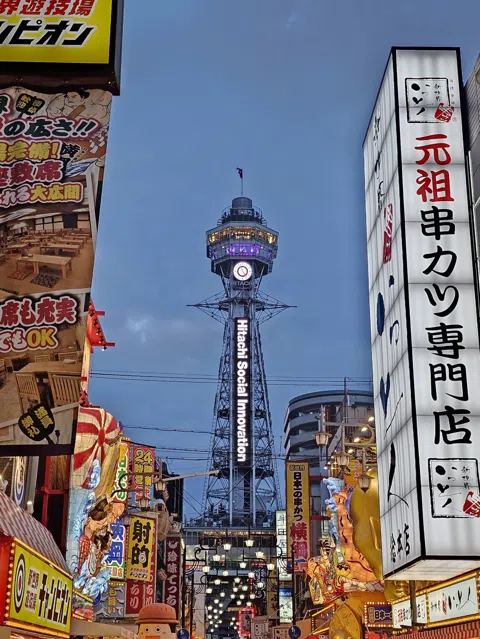
Tsutenkaku: Osaka's Tower of Working-Class Luck
In Shinsekai, a 1912 tower still measures the neighbourhood's luck against Osaka's glittering new skyline — and the kushikatsu, bathhouses, and shrines around its base tell the truer story.
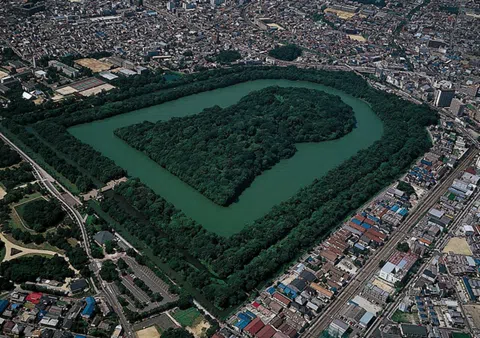
Sakai, Osaka: Blades, Tea, and Burial Mounds (2026)
South of Osaka's downtown, Sakai's kofun tombs, five-century knife forges, and Sen no Rikyu's tea-ceremony heritage make one of Japan's most overlooked day trips.
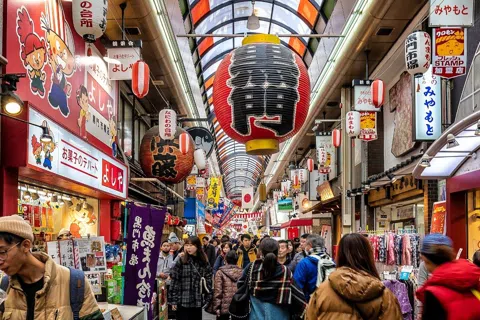
Kuromon Ichiba: Where Osaka Learned to Overeat
Inside the covered market, the neon crab signs, and the 24-hour ramen counters that turned Osaka's kuidaore boast into the most honest food city in Japan.
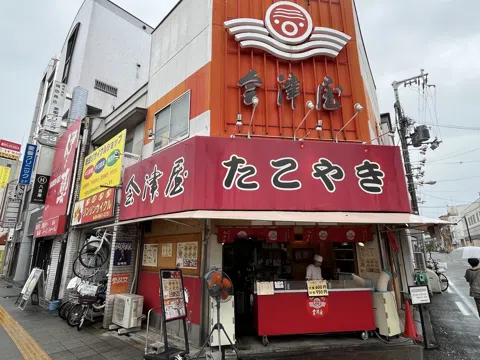
The Octopus Ball Economy: Osaka's Takoyaki Stalls and the Street Food That Built a City's Identity
From the 1935 Tamade original to a Michelin Bib Gourmand circuit and a food-hall shortcut for groups, this is where Osaka's takoyaki culture actually lives in 2026 -- shop by shop, door policy by door policy.
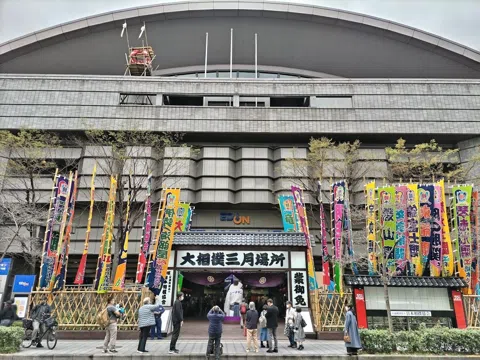
Sumo's Sacred Ring: From Ritual to Showdown in Osaka
How to meet Japan's oldest sport in Osaka — the March tournament, dawn training, year-round shows, and the chanko-nabe tables where the ritual finally sits down to eat.
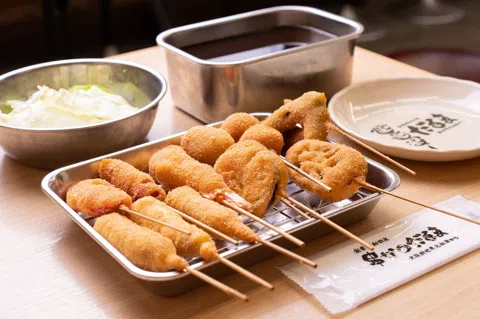
Kuidaore: How Osaka Eats Itself Alive
Osaka's obsession with food is a way of life called kuidaore — here's how to eat the city street by street in 2026, from ¥110 skewers to castle-view wagyu.