
Osaka
Osaka operates on a different frequency than other major urban centers.
Guests & rooms
The Osaka guide
An insider’s read on Osaka
OOsaka operates on a different frequency than other major urban centers.
Historically a merchant stronghold rather than a seat of imperial power, Osaka developed a pragmatic, rebellious spirit. While other regions focused on politics and aristocracy, this city built its identity on trade, finance, and food. This merchant legacy fostered an open, expressive populace known for its sharp wit, distinct regional dialect, and a deep-seated obsession with dining that gave rise to the local philosophy of kuidaore—eating oneself to ruin.

PLATE IOsaka, Japan

Guides & ideas
The Osaka reading list
Hand-written guides from our editors — itineraries, the best of after dark, where to eat, and what’s genuinely worth your time.
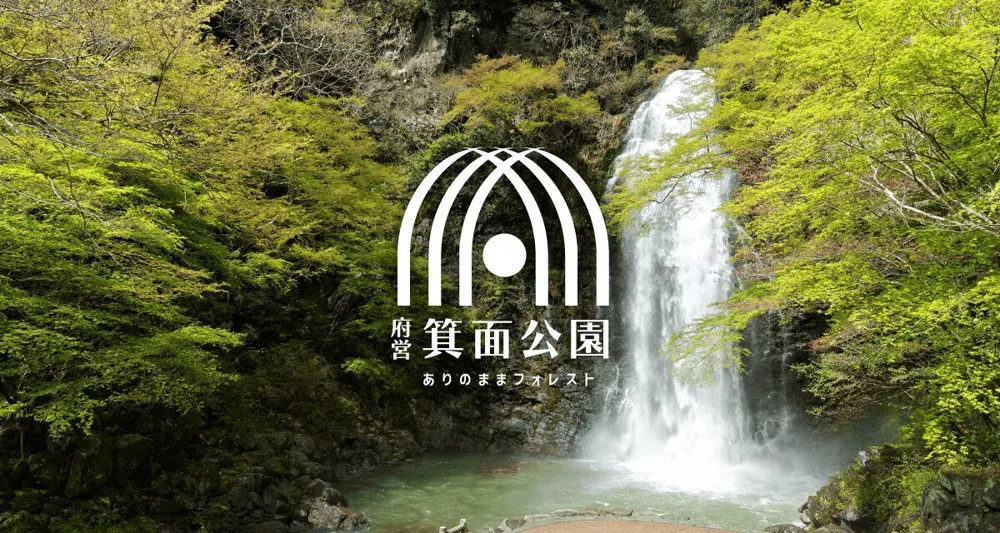
Minoh Falls and the Easiest Green Day Out of Osaka
The gorge walk starts four minutes from the station and thirty from Umeda, and north Osaka has as much again to fill the rest of a free morning.
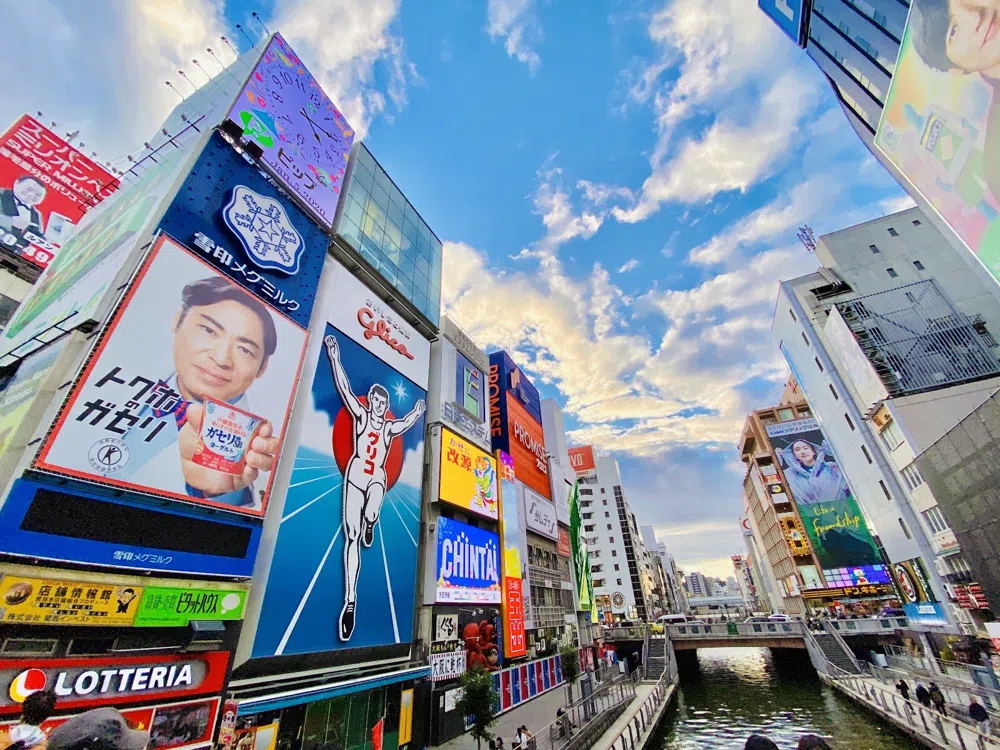
Choosing Where to Sleep in Osaka on a First Trip
Osaka has two downtowns and a quiet middle that most first-time visitors never think to book. Here is what each one costs, how loud it is at night and what sits next to it.
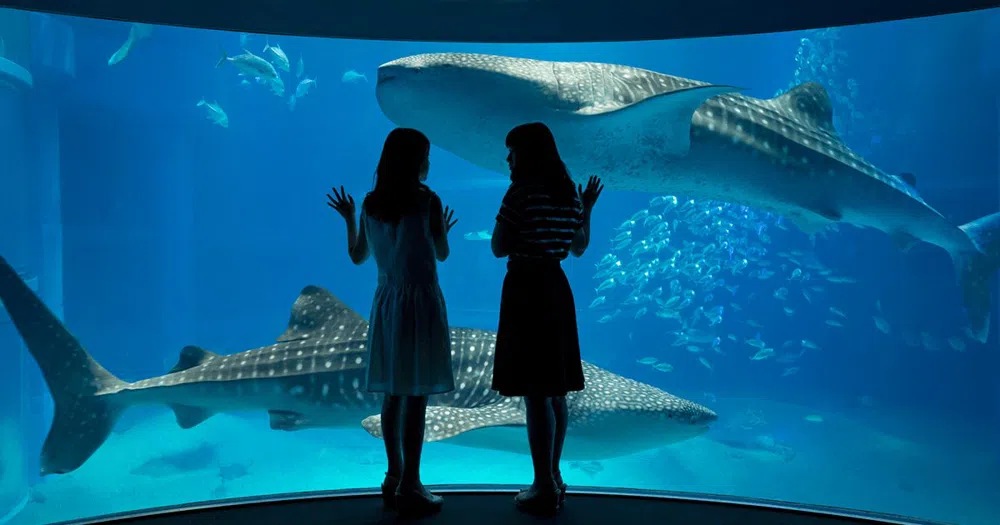
Osaka Aquarium Kaiyukan and an Easy Half Day on Tempozan
The aquarium, the wheel, the brick warehouses and the pier sit inside four hundred metres of Osaka waterfront, and an afternoon is enough to walk all of it without hurrying anyone.
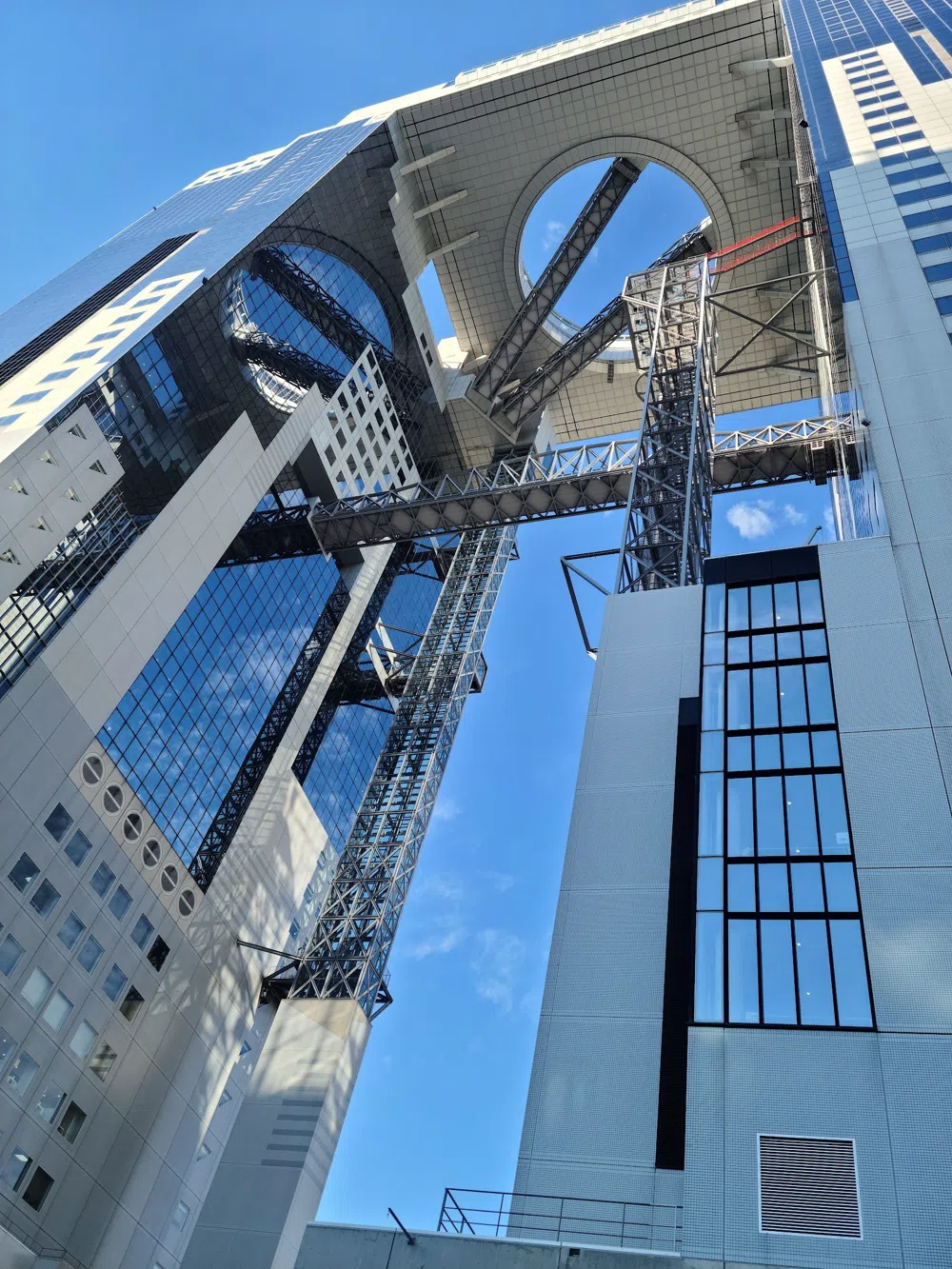
Where to Watch Osaka's Yodogawa Fireworks and Get Home After
Osaka's Yodogawa fireworks land on Saturday 17 October 2026. What a seat costs, where to eat in Juso either side of it, and how a hundred thousand people get off the riverbank.
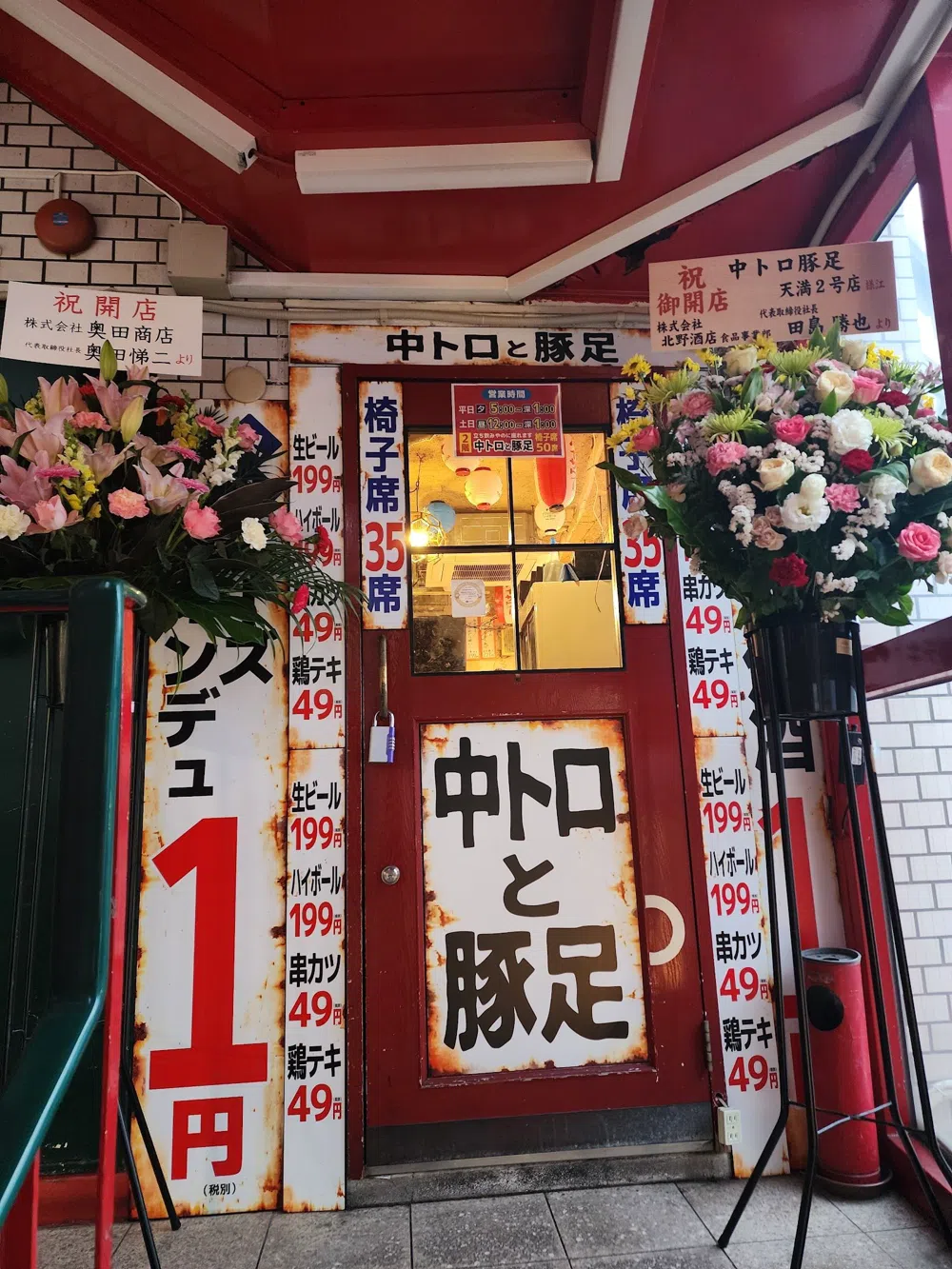
Osaka After Dark: Tenma's Shotengai, Kyobashi's Yatai
Beyond Dotonbori's neon, Tenma's shotengai and Kyobashi's yatai alleys are where Osaka actually eats after dark — here's how to crawl both, honestly, in 2026.
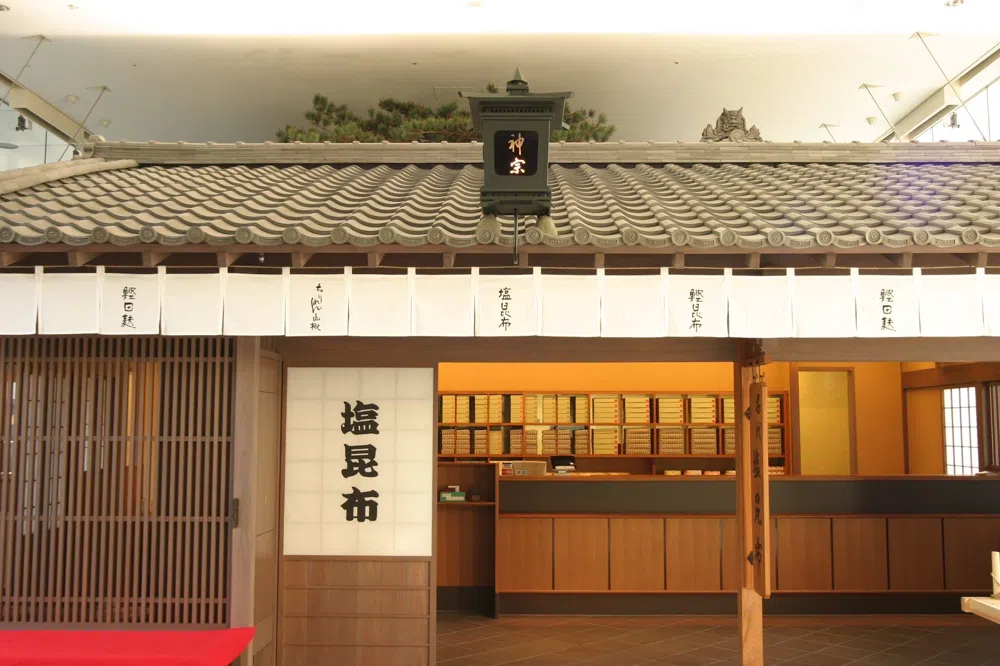
Osaka's Kansai Pantry: Miso, Pickles and Koji
In the merchant lanes behind Kuromon Ichiba, century-old shops still cure kelp, mash soybeans and shave bonito by hand — here's how to eat and shop your way through Osaka's fermented core.
Where to base yourself
The neighborhoods
01
Dotonbori & Namba
For First-time visitors who want to be in the center of the action, though the constant noise and massive crowds can be overwhelming.
The chaotic, neon-lit heart of the city, dominated by giant mechanical food signs, crowded canalside walkways, and endless street food stalls.
Where to stay — Sleek high-rise hotels or business hotels located just off the main canal to escape the late-night street noise.
02
Umeda (Kita)
For Business travelers and luxury shoppers who prefer a polished environment, though it lacks the gritty street character of the south.
A sleek, modern commercial district filled with towering skyscrapers, high-end department stores, and a massive underground shopping labyrinth.
Where to stay — Upscale international luxury hotels situated in the upper floors of modern skyscrapers.
03
Shinsekai
For Budget travelers and those seeking a gritty, unpolished look at the city's working-class past, though some may find it slightly run-down.
A retro neighborhood built in the early twentieth century, filled with colorful plastic signage, cheap standing bars, and a distinct Showa-era nostalgia.
Where to stay — Simple, no-frills guesthouses and budget business hotels.
04
Shinsaibashi & Amerikamura
For Fashion enthusiasts and younger travelers, though the streets can get highly congested during weekend afternoons.
A youth-culture hub where high-street fashion meets vintage clothing stores, record shops, and independent cafes.
Where to stay — Trendy boutique hotels and design-focused hostels.
05
Nakazakicho
For Creative travelers looking for a slow-paced, artistic atmosphere, though dining options are limited late at night.
A quiet, bohemian enclave of narrow residential lanes, pre-war wooden houses, independent art galleries, and cozy cafes.
Where to stay — Small guesthouses or traditional vacation rentals.
06
Fukushima
For Dedicated food lovers who want to escape the tourist-heavy crowds of Dotonbori.
A low-key, sophisticated dining neighborhood favored by local office workers for its exceptional izakayas, sake bars, and casual eateries.
Where to stay — Mid-range business hotels with easy access to the JR Loop Line.
Book direct
Book a hotel in Osaka
Loading live availability and real-time prices…
Where to eat
Dining
Endo Sushi
€€€Osaka Central Wholesale Market
Famous for serving warm, loosely packed sushi rice topped with incredibly fresh cuts of fish straight from the market.
Signature — The Jo-Maze plate, a chef's selection of five seasonal sushi pieces.
Izakaya Toyo
€€Kyobashi
An open-air, standing-only street food venue where the charismatic chef uses a blowtorch to sear tuna cheeks over ice.
Signature — Torched tuna cheek served with green onions and ponzu.
Kuromon Sanpei
€€Kuromon Ichiba Market
A bustling market stall where diners select raw seafood from the display cases to be prepared and eaten on the spot.
Signature — Grilled giant king crab legs and fatty tuna sashimi bowls.
Matsusakagyu Yakiniku M
€€€€Hozenji Yokocho
Specializes in serving various cuts of premium Matsusaka beef, cooked by guests at their own table-side grills.
Signature — The Matsusaka Beef Platter, showcasing different marbling levels.
Teppanyaki Kamon
€€€€Imperial Hotel Osaka
Offers a highly refined teppanyaki experience with skilled chefs grilling premium beef and seasonal vegetables right before your eyes.
Signature — Aged brand-name wagyu sirloin steak.
Tajima-ya
€€€€Umeda
Renowned for its dry-aged wagyu beef, offering intense depth of flavor in a sophisticated, private-room dining environment.
Signature — Charcoal-grilled dry-aged wagyu ribeye.
Mizuno
€€Dotonbori
A historic, multi-generational establishment famous for its unique take on okonomiyaki using high-quality ingredients.
Signature — Yamaimoyaki, a flourless okonomiyaki made entirely with wild yam batter.
Kushikatsu Daruma
€Shinsekai
The pioneer of kushikatsu, serving crispy, golden-fried skewers of meat, seafood, and vegetables with a strict no-double-dipping sauce rule.
Signature — Beef skewers dipped in the savory house sauce.
Ajinoya
€€Namba
A highly regarded spot where staff cook the okonomiyaki directly on the hot plate built into your table.
Signature — Ajinoya Mix Okonomiyaki, loaded with pork, squid, octopus, and shrimp.
Hajime
€€€€Nishi-ku
Chef Hajime Yoneda's avant-garde restaurant offers a highly intellectual, nature-inspired tasting menu of incredible precision.
Signature — Chikyu (The Planet Earth), a visually stunning dish featuring over one hundred different vegetables, grains, and herbs.
La Cime
€€€€Honmachi
Chef Yusuke Takada crafts contemporary French cuisine infused with subtle Japanese ingredients and sensibilities.
Signature — Boudin Dog, a modern take on blood sausage coated in bamboo charcoal batter.
Fujiya 1935
€€€€Chuo-ku
A minimalist dining room serving seasonal, innovative dishes designed to stimulate all five senses through texture and temperature.
Signature — The seasonal chestnut bread served with whipped butter.
Kinryu Ramen
€Dotonbori
An iconic, 24-hour open-front ramen shop easily recognized by the giant green dragon sculpture on its facade.
Signature — Pork-bone tonkotsu ramen with unlimited garlic, chives, and kimchi.
Hanamaruken
€Namba
A popular ramen shop known for its rich broth and generous, slow-cooked pork toppings.
Signature — The 'Happiness Ramen', featuring a massive, tender, slow-braised pork rib.
Aidu-ya
€Tengachaya
The birthplace of takoyaki, serving the original style of octopus balls without any sauce or mayonnaise, relying entirely on a flavorful dashi batter.
Signature — Original Ganso Takoyaki.
Paprika Shokudo Vegan
€€Shinmachi
A cozy, rustic restaurant dedicated to serving entirely organic, plant-based comfort food, including vegan versions of local classics.
Signature — Vegan soy-meat karaage (fried chicken) and plant-based cheese pizza.
Green Earth
€Honmachi
One of the city's oldest vegetarian establishments, offering hearty, wholesome lunch sets in a relaxed environment.
Signature — The daily lunch special, featuring a rotating selection of plant-based mains and sides.
Megumi Vegan Ramen
€€Namba
A cozy spot specializing in rich, flavorful ramen made entirely without animal products or MSG.
Signature — Spicy black sesame vegan tantanmen.
After dark
Nightlife
Club Piccadilly Umeda Osaka
Umeda
Housed in a converted historic movie theater, featuring high ceilings, state-of-the-art sound, and theatrical stage performances.
Cheval Osaka
Shinsaibashi
A sleek, upscale club featuring two separate floors playing different genres of electronic music.
Ghost Osaka
Shinsaibashi
An underground club featuring a distinct LED-lit dance floor and a focus on hip-hop and open-format music.
Bar Nayuta
Amerikamura
A dark, atmospheric speakeasy with no menu; bartenders craft bespoke cocktails based on your preferred flavor profile and mood.
Bar K
Kitashinchi
A classic, quiet basement bar where master bartenders in formal attire prepare impeccable, balanced cocktails.
Bible Club Osaka
Shinsaibashi
An authentic recreation of an American Prohibition-era speakeasy, decorated with genuine antique fixtures and glassware.
Billboard Live Osaka
Umeda
An elegant, multi-tiered venue hosting high-profile international jazz, soul, and pop artists alongside fine dining.
Namba Hatch
Namba
An iconic, octagonal riverside venue hosting major domestic and international rock and indie bands.
Art & history
Culture
Osaka Museum of History
Chuo-ku
Features life-sized historical reconstructions of the ancient Naniwa Palace and offers panoramic views of the castle grounds.
National Museum of Art, Osaka (NMAO)
Nakanoshima
An entirely subterranean contemporary art museum housed beneath a striking steel structure designed to resemble wind-blown reeds.
Kamigata Ukiyoe Museum
Namba
The only museum in the world with a permanent exhibition of Kamigata-e, woodblock prints produced in the region, focusing on Kabuki actors.
Osaka Castle
Chuo-ku
A grand reconstruction of the sixteenth-century fortress, surrounded by massive stone walls, a double moat, and expansive park grounds.
Umeda Sky Building
Umeda
A futuristic landmark consisting of two forty-story towers connected at their summits by a circular open-air observatory bridge.
Shitennoji Temple
Tennoji
One of the oldest officially administered Buddhist temples in the country, featuring a classic five-story pagoda and a peaceful turtle pond.
Tezukayama Gallery
Nishi-ku
A leading contemporary art gallery showcasing innovative paintings, sculptures, and installations by both established and emerging artists.
YOD Gallery
Kita-ku
Focuses on promoting local Japanese artists who utilize new media, photography, and unconventional materials.
Art Court Gallery
Tenmabashi
Specializes in high-quality contemporary art, particularly large-scale sculptures and conceptual installations by regional artists.
Book ahead
Top-rated experiences in Osaka

Samurai Training Experience KENDO in Osaka
from $126

Osaka Sake Tasting & Takoyaki Cooking Experience
from $70

Private Osaka Tour from Your Hotel with Local Guide
from $109

Ramen Cooking Class in Osaka Dotonbori with Sushi or Gyoza Option
from $70

Kimono experience and Japanese home-cooking lesson Osaka Umeda
from $77

Calligraphy Workshop in Namba, Dotonbori
from $48

【Family Friendly】Traditional Mochi Pounding Experience
from $31

Osaka Day Tour: Secret Spots & Local Treasures
from $42
Prices from Viator; we may earn a commission when you book — at no extra cost to you. Tours are sold and operated by Viator, the merchant of record. Ratings are collected by Viator and Tripadvisor.
Timing
When to visit
Spring
Mild temperatures and cherry blossoms draw massive crowds, particularly around the castle park grounds.
Summer
Hot and humid, but marked by major festivals like the Tenjin Matsuri, which features boat processions and fireworks.
Autumn
Cool, crisp air and vibrant fall foliage make this the most comfortable season for exploring the streets on foot.
Winter
Cold but dry, featuring elaborate light displays along Midosuji Boulevard and significantly shorter lines at major attractions.
What it costs
Budgeting
Logistics
Getting around
From the airport
Kansai International Airport (KIX) is connected to the city center via the JR Haruka Express, which reaches Tennoji and Shin-Osaka stations, or the Nankai Rap:t train, which runs directly to Namba Station in about forty minutes.
Public transit
The municipal subway system is highly efficient, with the Midosuji Line acting as the central north-south spine connecting major hubs. The JR Osaka Loop Line circles the city center, providing easy access to peripheral attractions.
Passes & tickets
The Osaka Amazing Pass offers unlimited rides on the subway and bus network alongside free entry to several municipal sights for a flat fee in the €€ band.
On foot
Individual neighborhoods like Namba, Shinsaibashi, and Umeda are highly walkable, but traveling between these major hubs requires using the subway network due to the sheer scale of the city.
Travel smart
Safety & etiquette
Local etiquette
- •Do not walk and eat at the same time; consume street food near the stall where you purchased it.
- •Always stand on the right side of escalators, leaving the left side clear for people walking past.
- •Tipping is not practiced in restaurants, bars, or taxis; exceptional service is met with a polite thank you.
From the ground
Practical tips
1
Carry a small plastic bag with you, as public trash cans are extremely rare on the streets.
2
Book high-end dining venues several weeks in advance, especially for Michelin-starred establishments.
3
Use the Midosuji Subway Line to travel quickly between the northern hub of Umeda and the southern hub of Namba.
4
Keep cash on hand for purchasing train tickets at older machines and buying street food.
5
Avoid the morning rush hour on the subway lines, typically between 8:00 AM and 9:00 AM.
6
Look for restaurants located in the basement levels of major office buildings for high-quality, reasonably priced lunch sets.
Osaka FAQs
Is Osaka safe for solo travelers?
Yes, it is incredibly safe. The city has low crime rates, and solo dining is highly common and welcomed at most casual establishments.
How many days do I need to explore?
Three full days allow you to experience the major neighborhoods, historic sights, and the legendary dining and nightlife scenes.
Can I use credit cards everywhere?
While major hotels and department stores accept credit cards, many traditional izakayas, street food stalls, and temples still require cash.
What is the local dialect?
Locals speak Kansai-ben, a warm, expressive dialect known for its distinct vocabulary and melodic, friendly intonation.
Is the tap water safe to drink?
Yes, tap water throughout the city is clean, safe, and meets high municipal drinking standards.