
Osaka turns late, and that is the argument for staying in the city instead of chasing colour out of it. The ginkgo along the central boulevard is forecast to peak around 24 November 2026, and the maples in the castle grounds are not expected until 4-7 December. Count from the roses that come back to the riverside in mid-October through to that last week of maple, and the season inside the city limits runs close to eight weeks, most of it reachable on a single metro or commuter fare, a good half of it free and ungated.
What turns, and when
Colour arrives here in three waves rather than one, and planning around the waves is more useful than hoping for one perfect weekend. The first wave is not maple at all: roses come back to the river beds in mid-to-late October, and the cherry leaves along the water go bronze while every maple in the city is still green. The second wave is the hills in the north, through the second half of November, where a few hundred metres of altitude and colder night air do the work. The third is the city's own street and garden trees, and it is the wave most visitors miss because they have already moved on: ginkgo around 24 November 2026, maples 4-7 December 2026.
Forecast dates move. A warm October pushes everything back by roughly a week; an early cold snap pulls it forward. Treat every date here as a centre point with a week either side, and once you are in the city, trust the trees over the calendar. A slope facing north and a slope facing south can be eight days apart on the same hill.
A real forest at the end of a commuter line
Minoo Park (Minoo, about half an hour north of Umeda on the Hankyu line) is properly Meiji no Mori Minoh Quasi-National Park, and it is the strongest autumn walk you can reach on a commuter train from the centre of Osaka. The takimichi trail follows the stream uphill for 2.7km to the waterfall, past teahouses and small shrines, and it is a single corridor rather than a loop, with no parallel route and no short cut back. That geometry, not the crowd at the falls, is what makes a peak weekend hard work. It is free, has no gate and no booking, so it takes a group of any size, but a large party should walk single file and start before 10:00.
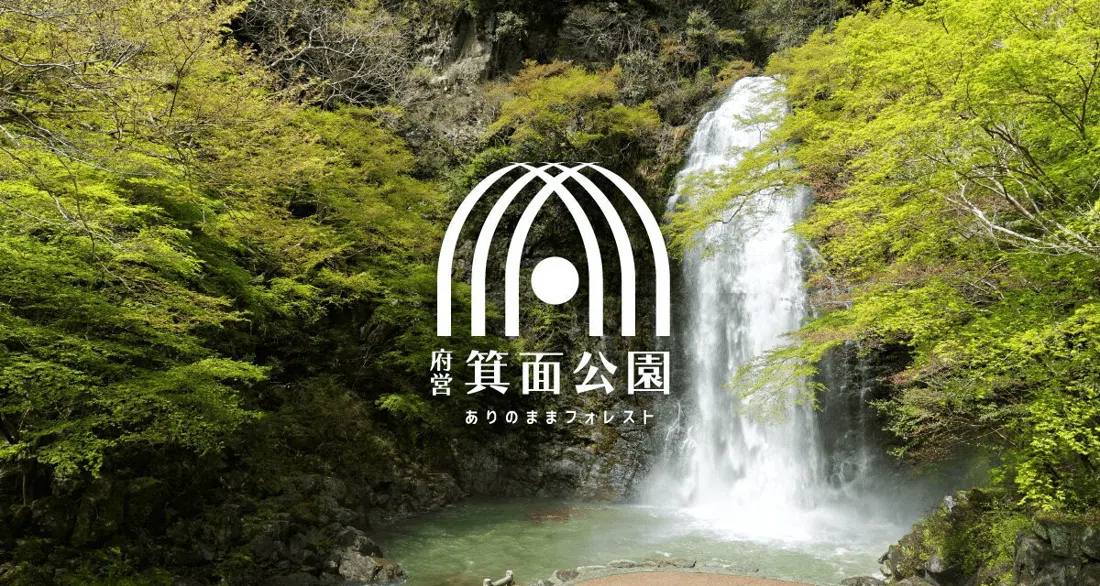
The trail is fully walkable again. Sections were closed after the November 2025 shop fire at the falls, and that closure was lifted on 7 August 2026. A temporary safety fence narrows the path where the fire was, and the upper floor of the rest-house at the falls is still shut, so plan on standing room rather than a sit-down at the top. Momiji tempura (maple leaves in batter) is sold in paper bags along the way for roughly ¥300-500.
Higher up the same hills, Katsuoji Temple (reached by bus from Hankyu Minoo or Senri-Chuo) is the one place near the city that does a serious maple illumination. The gate stays open to about 20:30 on peak-season evenings, and the mist drifting over the pond is a permanent fixture of the site, not a special event laid on for a fortnight. Entry is ¥500 for adults, ¥400 school age, ¥100 preschool. It handles coach and tour groups without complaint, but the site is a hillside of steps and slopes, so anyone in your party with limited mobility needs to be told before they get on the bus, not at the bottom of the stairs.

The park that absorbs a whole day
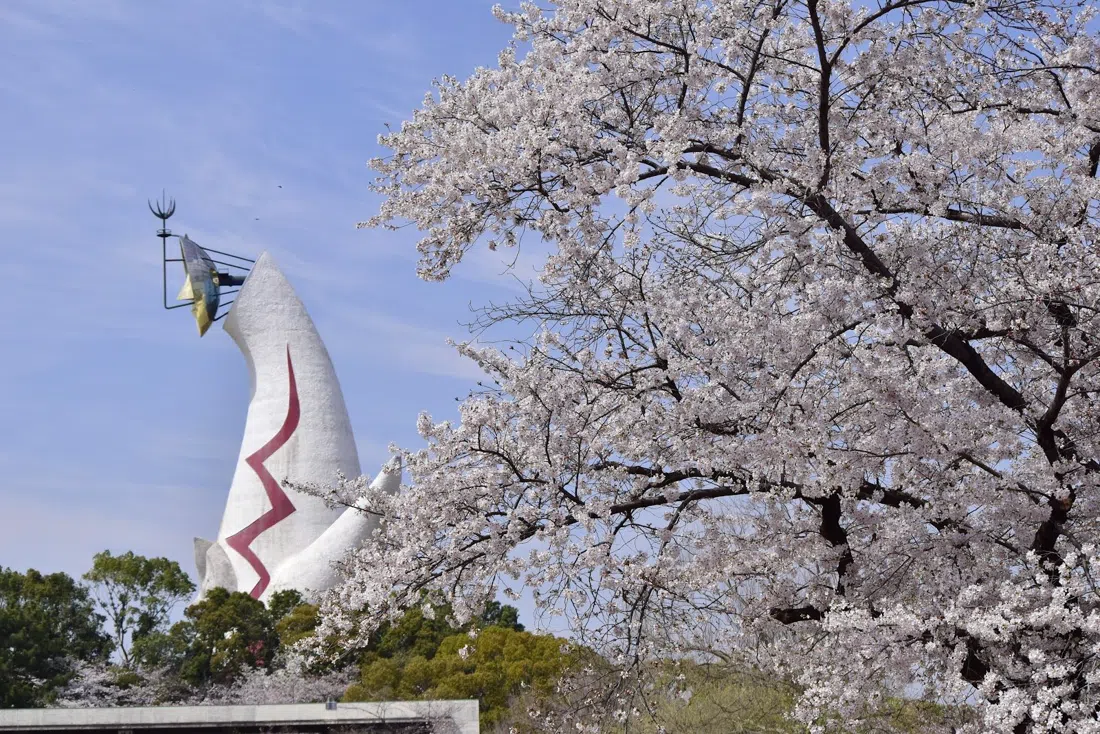
Expo '70 Commemorative Park (Banpaku-kinen-koen, on the Osaka Monorail) is 260 hectares, which means it swallows coach groups whole and still feels quiet in the far corners. It also holds the deepest variety of autumn colour anywhere near the city: nine named colour spots, including Momiji Valley, the waterfall in the Japanese Garden, a 360m avenue of plane trees and a hill of zelkova, with the Hanan and Banrian tea houses opened for the season. Entry is ¥450 for adults and anyone of high-school age and up; elementary and junior-high children are free, a revision that came in on 1 April 2026. Tickets are bought at the gate, so there is nothing to arrange in advance. The park is closed to the public on 31 October and 1 November 2026 for a festival, and that is the single most expensive mistake available on this list if you are moving a group.
Twenty minutes from Umeda on the Midosuji line to Ryokuchi-koen, the Open-Air Museum of Old Japanese Farmhouses in Hattori Ryokuchi Park gives you colour over thatch instead of colour over gravel. It opened in 1956 as Japan's first open-air museum, and the houses were dismantled and rebuilt here from the far north and the deep south of the country, so the roof pitches and timber change as you walk. Adults ¥500, high school and university ¥300, elementary and junior high ¥200. It closes on Mondays and from 28 December to 4 January, with last entry at 16:30, early enough that an after-lunch start is a real constraint in late November.
Small gardens, close in
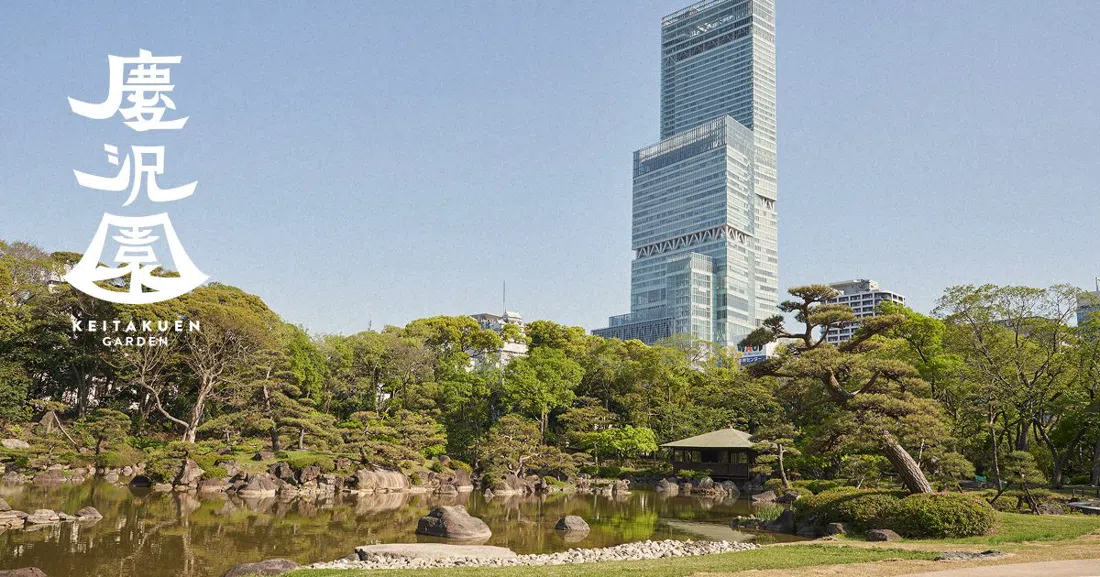
Keitakuen Garden (Tennoji, five minutes from the station) has the best return on effort of anything inside the city. It was the Sumitomo family's garden, it holds over 200 plant species including maple, and the pond loop is the kind of composition that only makes sense at walking pace. Adults ¥300, students ¥200, free under 15, closed Mondays. The path is narrow: six to ten people is comfortable, a coach party is not, and it is genuinely a better place for two.
A short walk south, Shitennoji Temple pairs 1,400 years of rebuilt history with a maple garden most visitors walk straight past. The grounds are free and open; the Gokuraku-jodo Garden is a separate ¥300 ticket, with the Central Precinct and the Treasure House ticketed separately again. From October the garden shuts at 16:00, which catches out everyone who treats a temple as an end-of-day stop. The garden is small, so split a large group and let them go round in shifts instead of queueing at the gate.
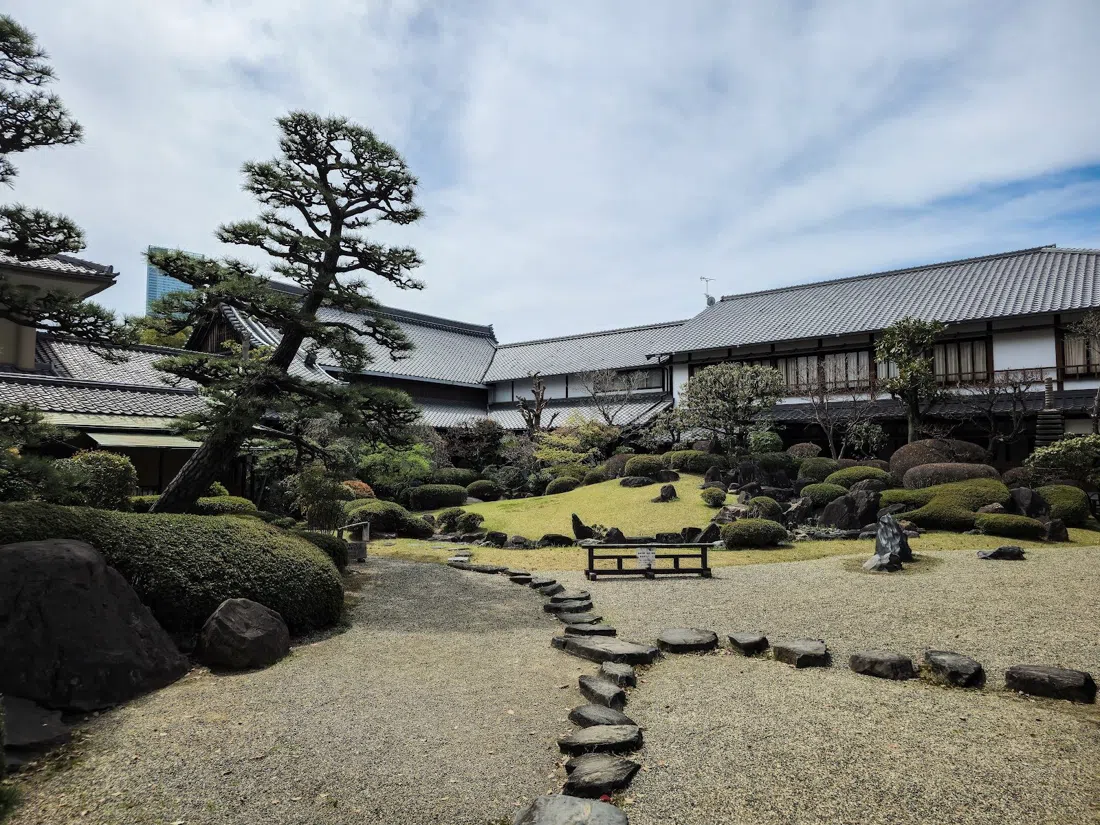
Daisen Park Japanese Garden is twenty minutes from Tennoji on the JR Hanwa line and is the best pairing on this list for a reader who wants more than trees from the afternoon: the strolling garden is ¥200, open 9:00-16:30, closed Mondays and from 28 December to 3 January, and it sits beside the Mozu kofun tomb cluster, keyhole-shaped burial mounds that were UNESCO-listed in 2019. Groups are welcome here.
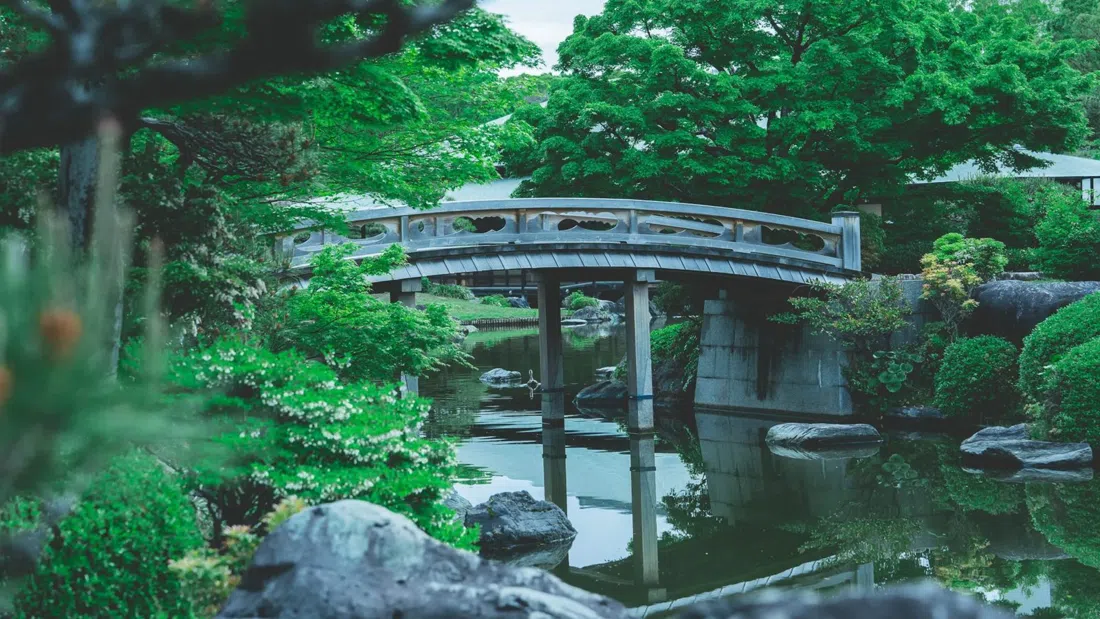
South again, Nagai Botanical Garden is worth the trip for the grass-and-seedhead planting as much as the maples. Late autumn is when that kind of borderline planting looks best, low sun through dead stems. Adults ¥300, high school and university students ¥200, free for junior high and under. From November to February it closes at 16:30 with last entry at 16:00. It also has a second life after dark: teamLab Botanical Garden Osaka runs a permanent night circuit over the same grounds on its own ticket from ¥1,800, open to 21:30 or 22:30 through November.
Free ground, any number of people
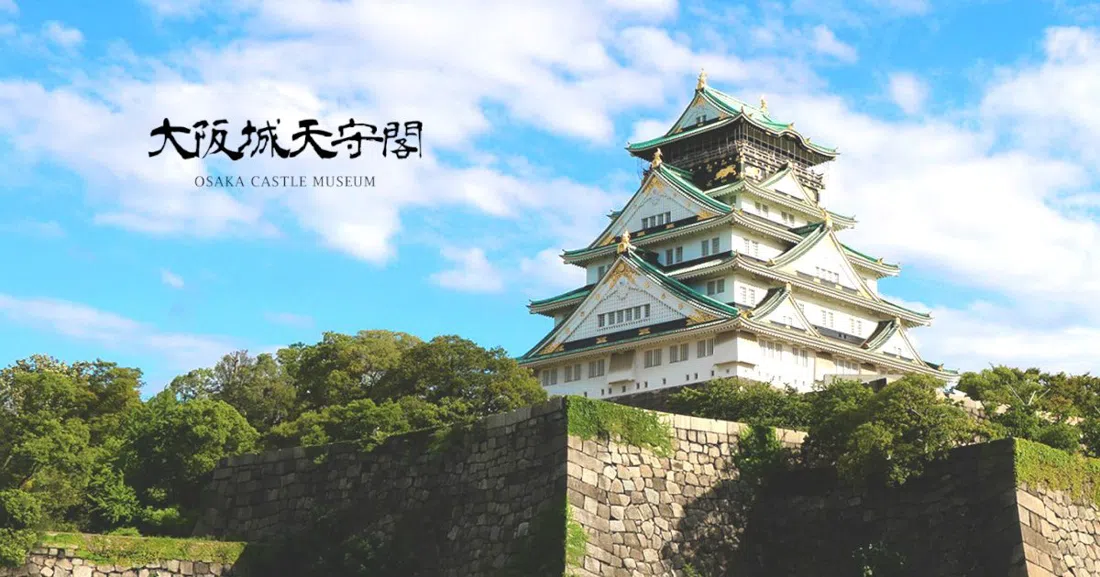
Osaka Castle Park is free, unticketed and large enough for any group, and it earns its place for the timing as much as the trees: ginkgo forecast around 24 November 2026, maples 4-7 December, which makes it the reliable late pick when everything in the hills has finished. One thing to know before you plan an evening: Nishinomaru Garden inside the park is ticketed at ¥200 and closed on Mondays, and from early November its evenings are given over to the paid Osaka Castle Illuminage light event (¥2,000 adults, ¥1,000 children). The free ginkgo avenue is a daytime proposition.
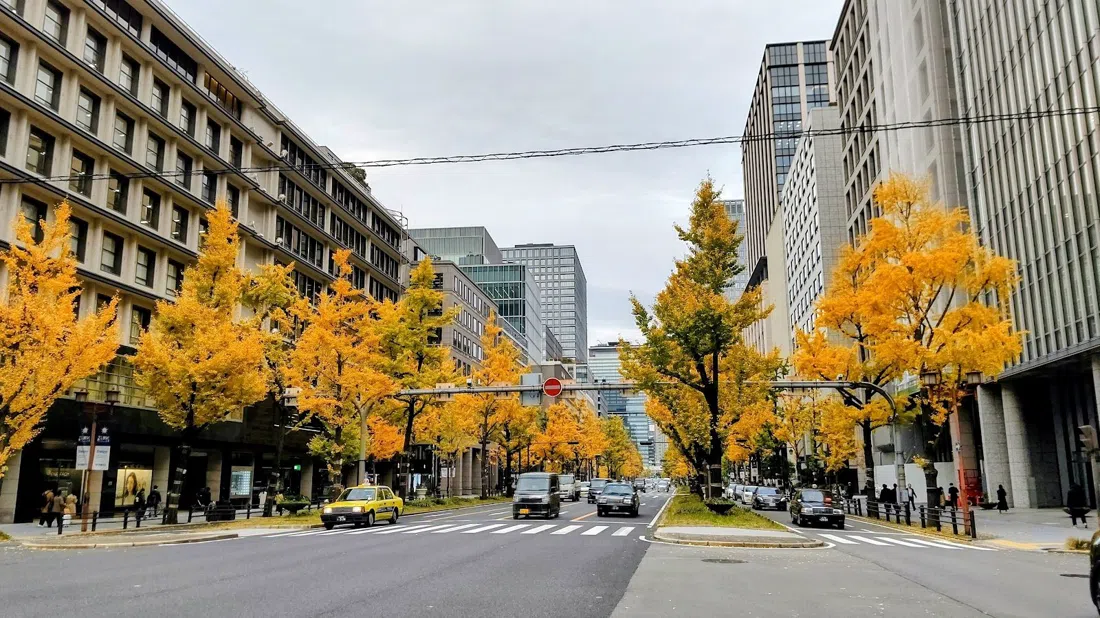
Midosuji Boulevard is the default move for a large group that cannot book anything, because there is nothing to book. The ginkgo peak lands around 24 November 2026 and overlaps the Midosuji Illumination, which runs from 3 November to 31 December 2026, roughly 17:00 to 01:00, and it is the only place here where colour and night lighting cost nothing. Walk it as a spine rather than a photograph: the avenue changes character every few blocks, bank frontages, then flagship stores, then the approach to Namba, and treating one crossing as the view of it misses the point.
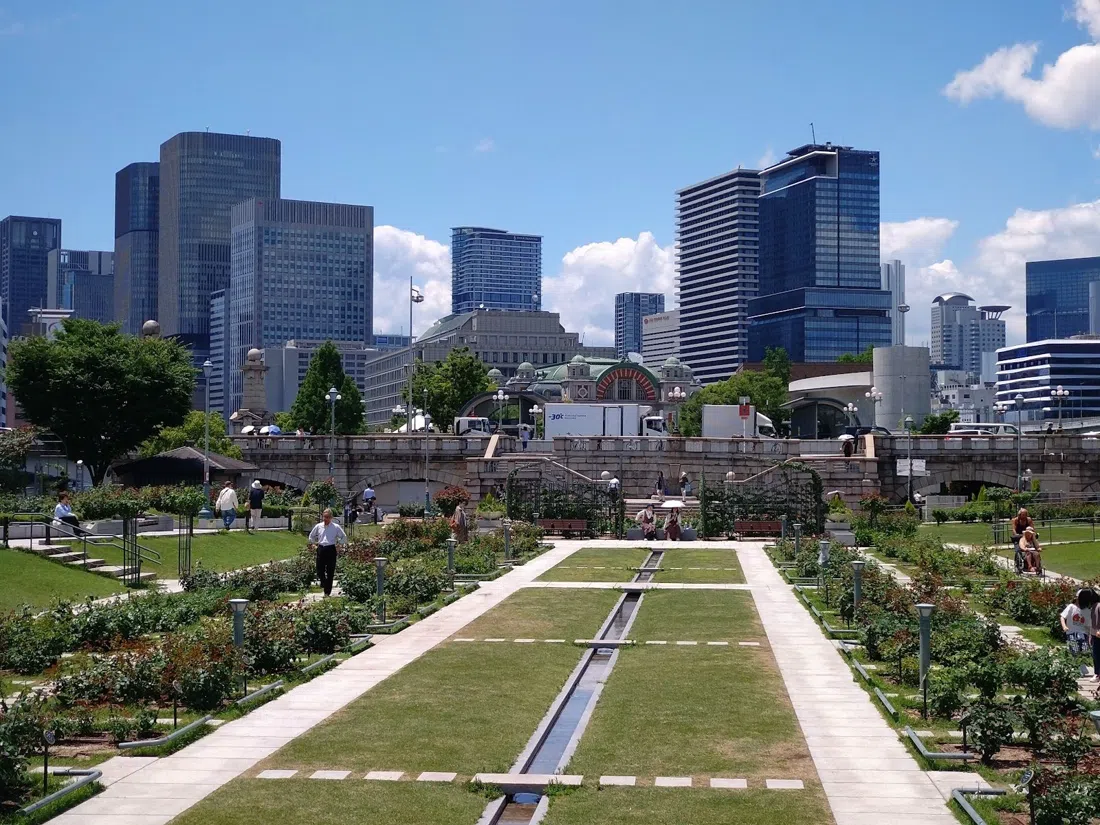
Nakanoshima Park (on the island between the two arms of the river) opened in 1891 as Osaka's first park, and its roses come back mid-to-late October with roughly 310 varieties and 3,700 plants. It is the right entry point for anyone in the city before the maples have turned, the riverside paths are wide enough for a group, and cruise boats board nearby.
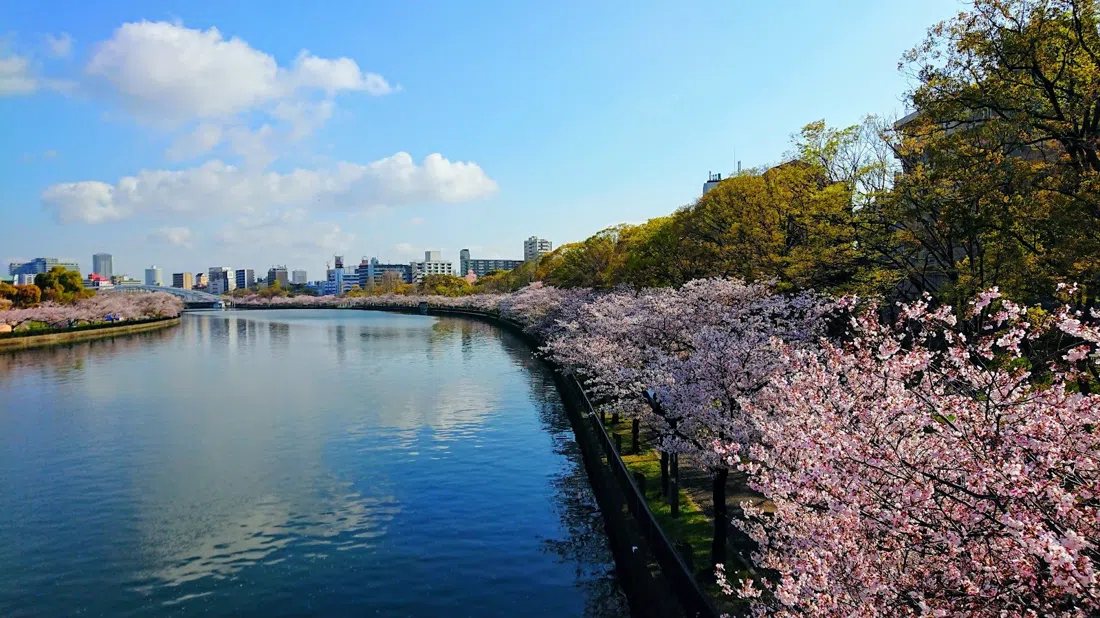
Kema Sakuranomiya Park is cherry leaves rather than maple, which means colour arrives earlier and the crowds never really form. It works best as a link in a day: the riverside walk joins the castle to Temma on foot, with boats and cycle hire along the route.
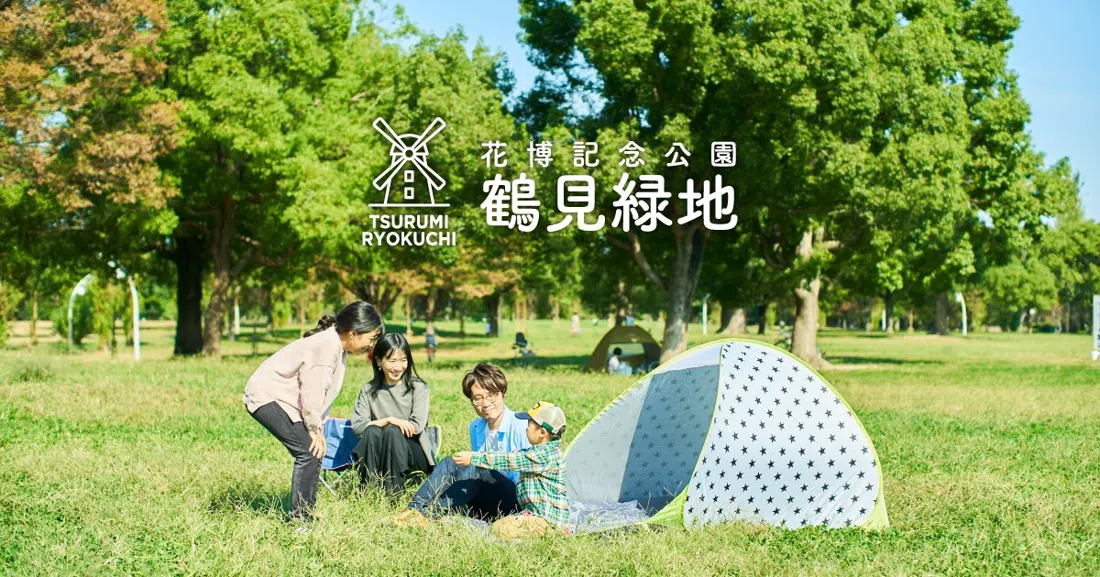
Tsurumi Ryokuchi (Flower Expo Memorial Park) is the hedge against a cold or wet afternoon. The park is free, enormous and good at ginkgo, and inside it the Sakuya Konohana Kan greenhouse, one of the largest in the world with around 5,500 plant varieties, costs ¥500 for adults, is free for junior high and under, and closes on Mondays. Reach it on the Nagahori Tsurumi-ryokuchi metro line, which is named after the park.
Two pieces of new city
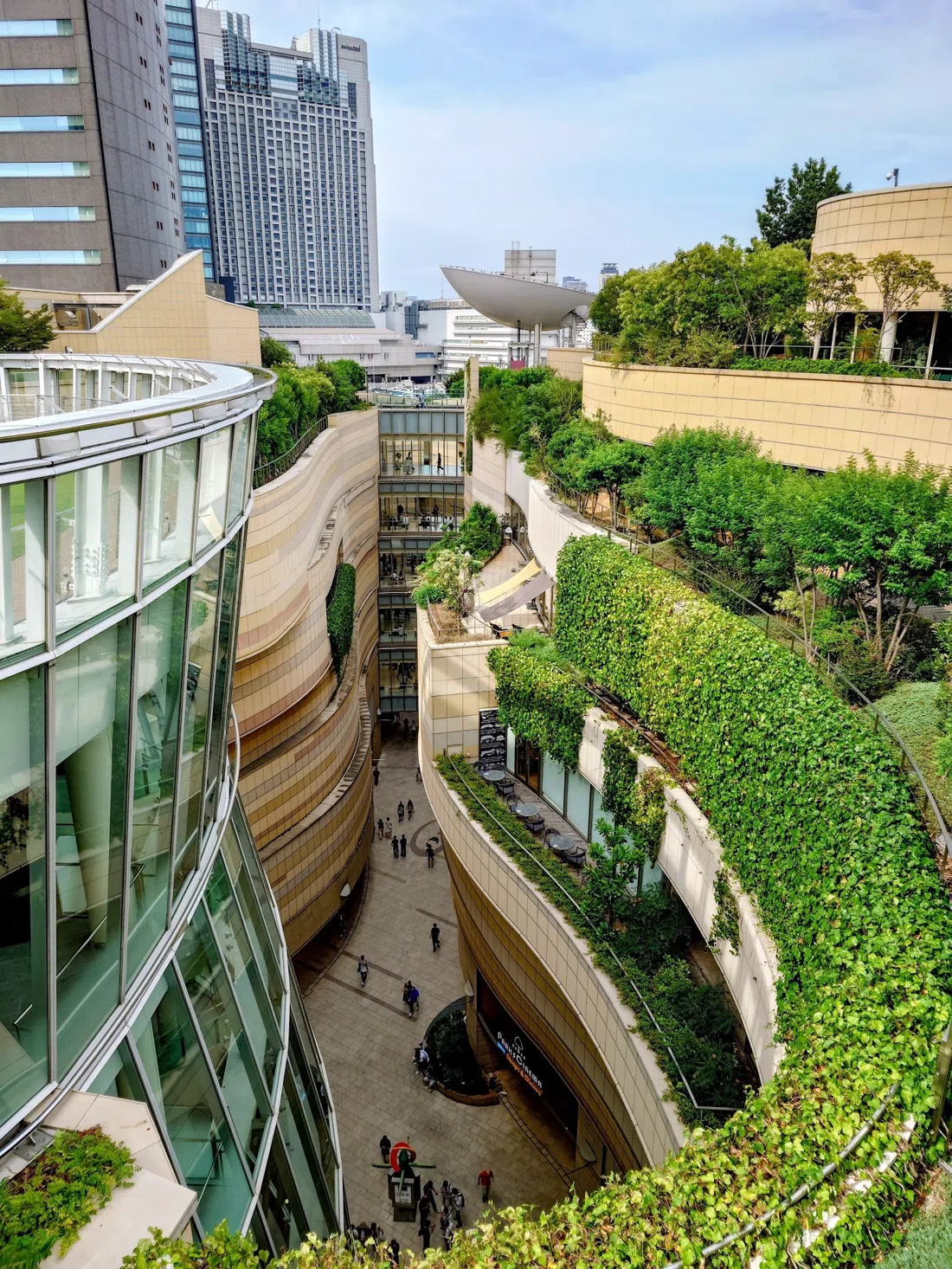
Namba Parks - Parks Garden (Namba) is a strange piece of urbanism: 11,500 square metres of planting stepped over eight floors, more than 300 plant species, and a hilltop plaza added in the 2024 renewal. It is free, has no gate, has lifts throughout and stays open into the evening, which makes it the easiest group option in the south of the city and a decent landing place after a day of shopping.
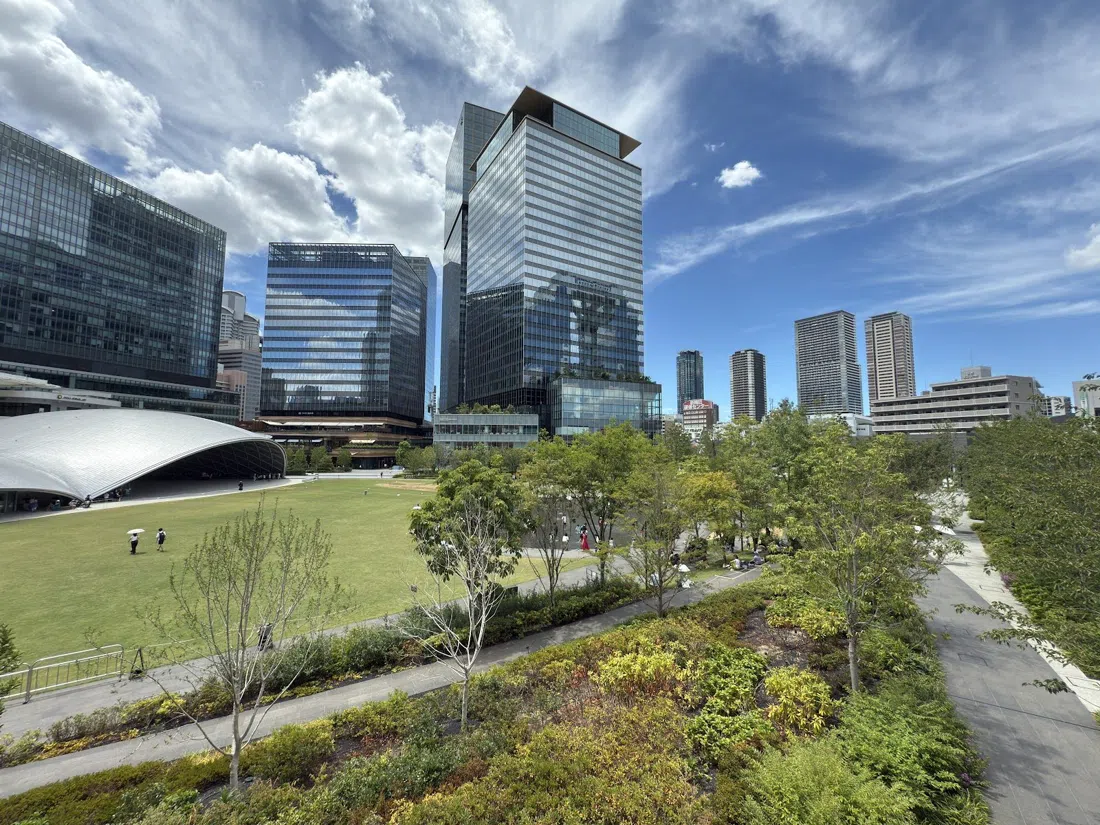
Umekita Park, Grand Green Osaka (directly at Osaka Station) is the natural meeting point before anything else. The South Park lawn has been open since September 2024; the north half, Umekita Forest, is 0.9 hectares with 165 trees across 22 species including maple and katsura and a waterfall ten metres wide and three metres tall, and it opens on 20 November 2026 along with the 350m path that links the two halves. Full completion is not until spring 2027 and the trees are young, so go for the fact of a new forest at a main-line station rather than for a canopy.
Groups, couples, and where the doors are tight
The split is simple. Free and unlimited: Minoo Park, Osaka Castle Park, Midosuji Boulevard, Nakanoshima, Kema Sakuranomiya, Namba Parks, Umekita Park and the open parkland at Tsurumi Ryokuchi. Ticketed but roomy enough for a coach: Expo '70, Nagai, Daisen Park, the farmhouse museum, Katsuoji. Small enough that a big group ruins it for everyone including themselves: Keitakuen and the Gokuraku-jodo Garden at Shitennoji. Nothing on this list requires a reservation, which is unusual and worth exploiting, so build the day around closing times. For the rest of the city around these walks, the Osaka guide covers the districts and the eating.
Practical notes
An IC card covers the metro, the JR Hanwa line, Hankyu to Minoo and the monorail to Expo '70 without any thought. The only leg that needs planning is the bus up to Katsuoji from Hankyu Minoo or Senri-Chuo, which is infrequent enough that a missed one costs you real daylight. Minoo Park and Katsuoji sit in the same hills but are not a comfortable single walk in late afternoon, so pick one, or do the trail in the morning and the illumination after dark.
The ¥200-¥500 gates are exactly the sort of place where a card reader is not guaranteed. Carry ¥3,000 in coins and small notes and you will not be turned around.
Mondays close Keitakuen, Nishinomaru Garden, Daisen Park Japanese Garden, the Sakuya Konohana Kan greenhouse and the farmhouse museum, so make Monday a free-parks and boulevard day. From October the Shitennoji garden shuts at 16:00 and Nagai at 16:30 with last entry at 16:00, which makes the ticketed gardens morning and early-afternoon work, with the illuminations after. And do not send anyone to Expo '70 on 31 October or 1 November 2026.
A full day of good colour costs nothing at all: Minoo in the morning, Midosuji or the castle ginkgo in the afternoon, the Midosuji Illumination from 17:00. A two-garden day with a temple runs about ¥1,000 a head. The paid evenings sit well above that, teamLab from ¥1,800 and Illuminage ¥2,000, and neither is necessary to see the season. For somewhere to sleep within walking distance of the station parks and the boulevard, start with an Osaka hotel search.