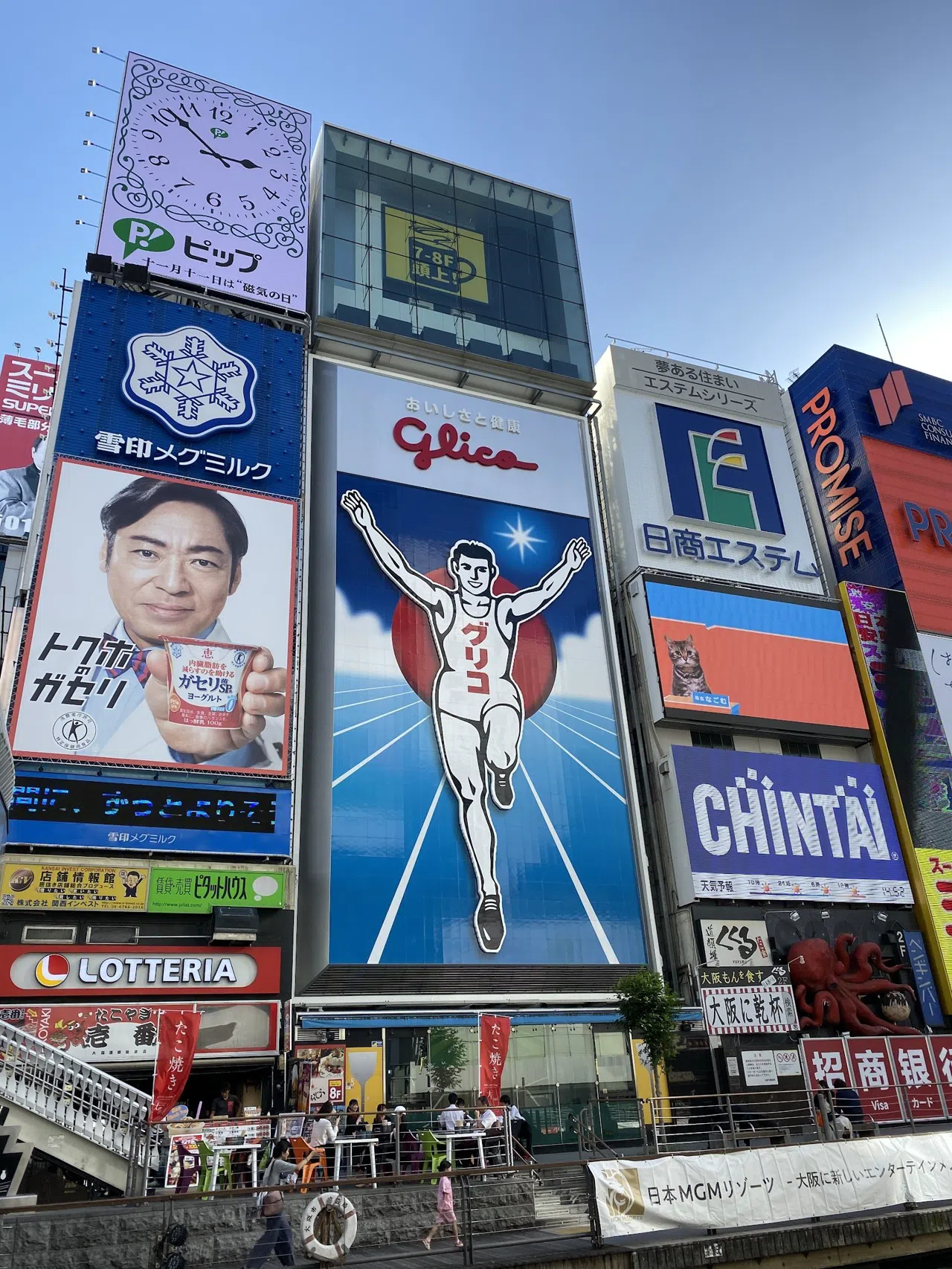

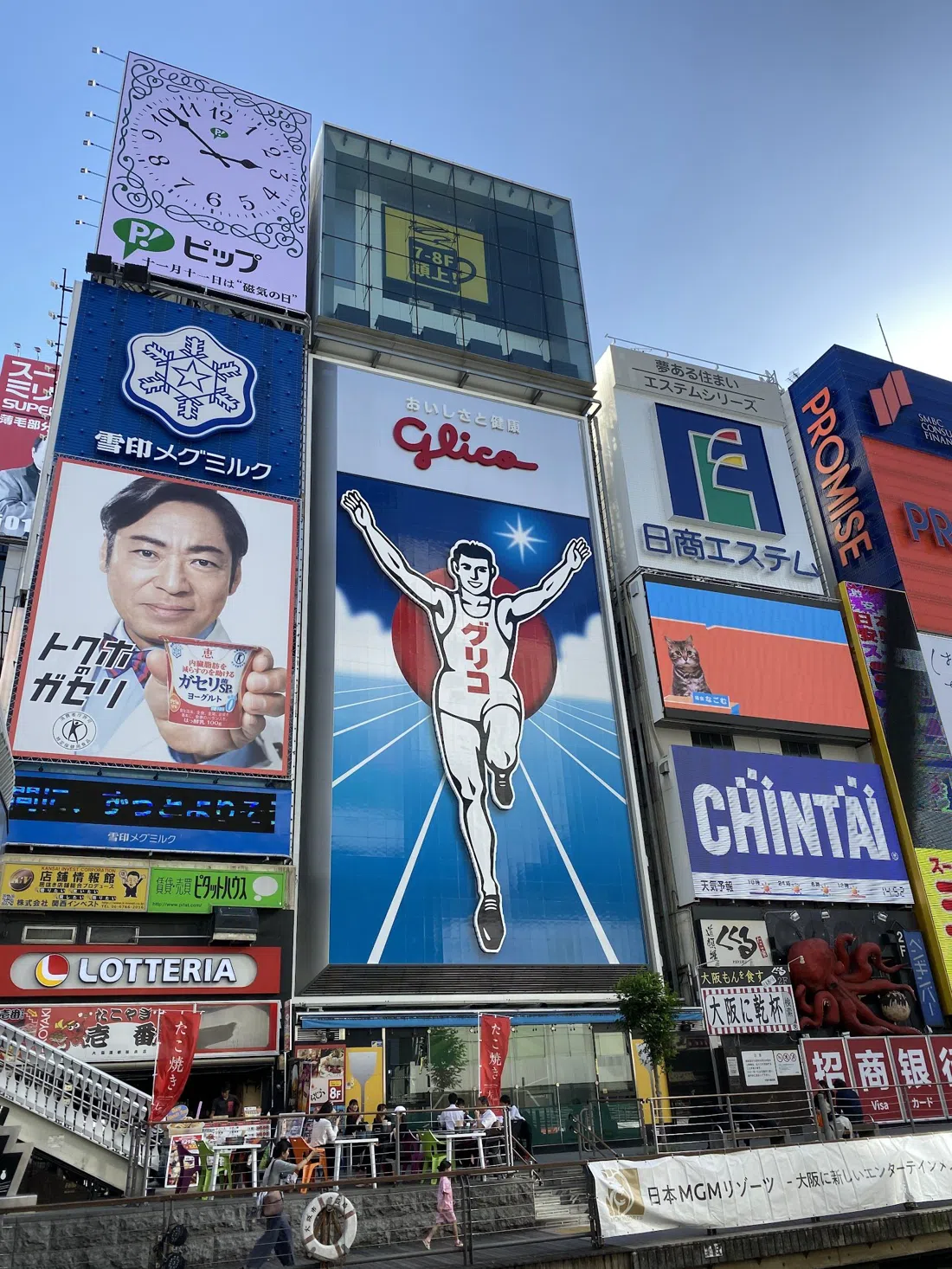
The Glico sign has been running in place above the Ebisubashi span since 1935, and the crowd underneath it still moves at a shuffle. Osaka does most of its real work after dark, at a counter, or in a stone lane thirty seconds off the main canal, and none of that shows up on a daytime sightseeing list. So the question of how long to stay has a firm answer here, and the answer is almost never one night.
Two nights is the floor and three is the honest answer
Count nights, not days. A 15:00 check-in and a mid-morning departure turn what looks like three days into roughly two and a half usable ones, and Osaka loads its best hours into the evening, so the arithmetic matters more here than in a city that shuts at six.
Two nights gets you the canal after dark, a grazing lunch, one castle or one temple, and a single good dinner at a counter. That is a real visit, and plenty of first trips do exactly that. Three nights is the length I would defend: it adds the older, slower Osaka south of the centre, an evening that is not spent eating, and one day trip taken from the same bed you slept in the night before. Four nights only makes sense if a theme park is on the list, and in that case the fourth night is already spoken for.
One night is the version people regret. You arrive, you walk the neon, you eat something fried on a stick, and you leave with the impression that Osaka is a food street with a bridge in it, rather than a city holding a temple founded in 593 AD.
Wherever you land on the number, stay put. Osaka is compact enough that one room serves every version of this trip, and moving hotels mid-trip costs you an afternoon you cannot buy back. That is worth weighing when you compare an Osaka hotel search in the Minami blocks against something quieter near the main station.
Day one runs along the canal
Dotonbori (Minami, the blocks either side of the Ebisubashi bridge) is where every first Osaka trip starts, and it does not work in daylight: the signs are off, the canal is just a canal, and you wonder what the fuss was. Come back at 19:00 and it reads properly. It is an open street with no door policy, free to walk, and street food runs ¥300–¥800 a piece, so it absorbs any group size. The one thing to settle in advance is a meeting spot, because the Ebisubashi span is a real crush point and phones are useless once eight people scatter into four queues.
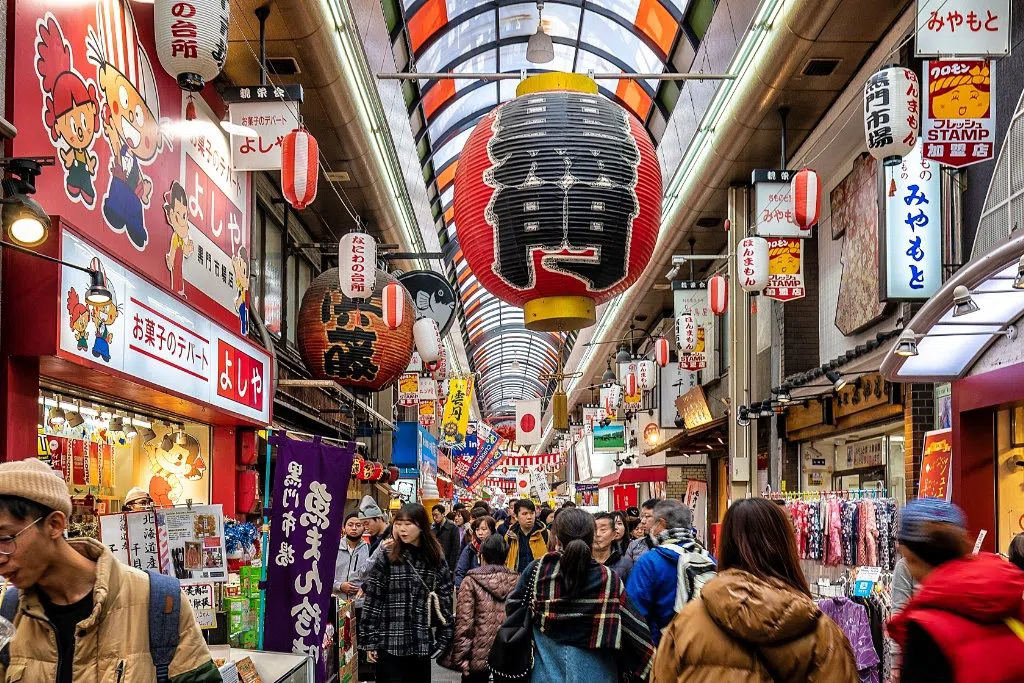
Build the same day around Kuromon Ichiba Market (Nipponbashi, a ten-minute walk east) and you have done the work of a food tour in ninety minutes. It is a single covered line, 580 metres of it, and ¥500–¥2,000 buys a serious grazing lunch. Headcount matters less than aisle width: the stall counters take two or three at a time, so a party of six should eat in pairs and regroup, and anything over four should be inside before 10:00.
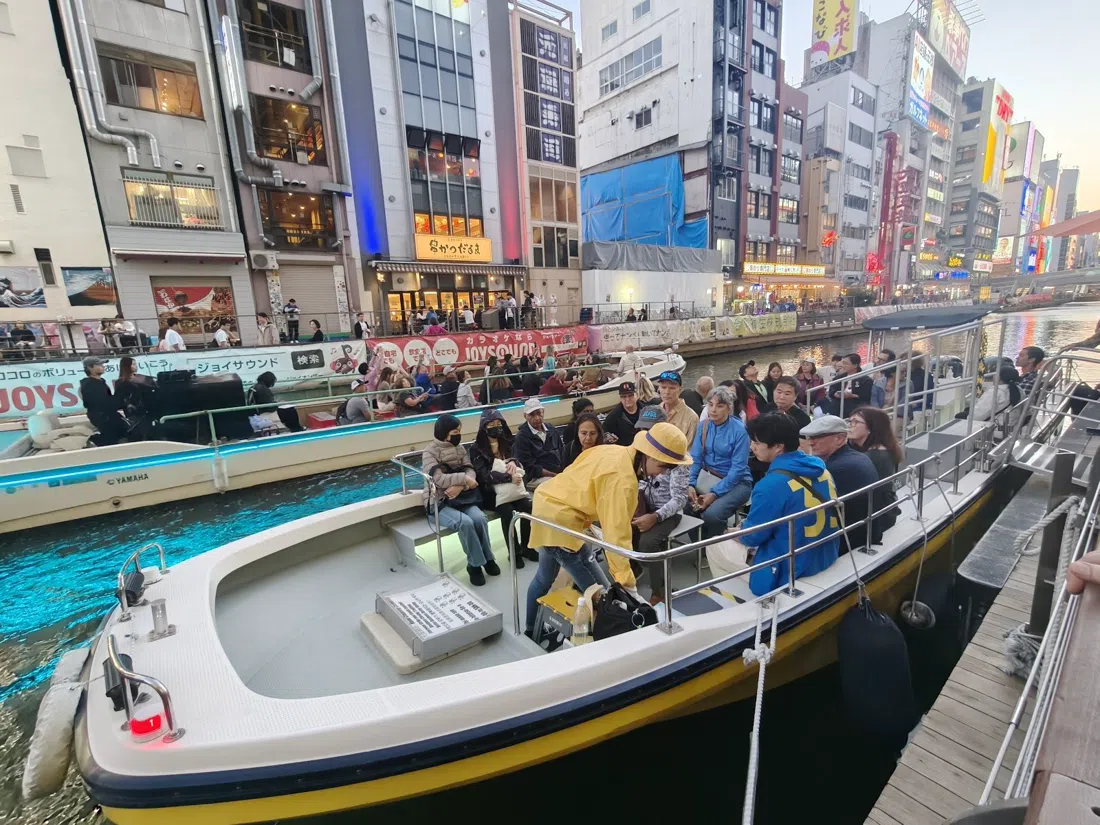
If the schedule is tight, the Tombori River Cruise (Tazaemonbashi pier, on the Dotonbori canal) is the most efficient twenty minutes in the city. Boats run 11:00–21:00, leave every thirty minutes and seat around thirty, so a group boards together; there are no phone bookings, only the booth or the website. Tickets are ¥2,000 for adults, ¥1,000 students, ¥500 children. It buys back an hour of walking and puts the signs at the angle they were built for.
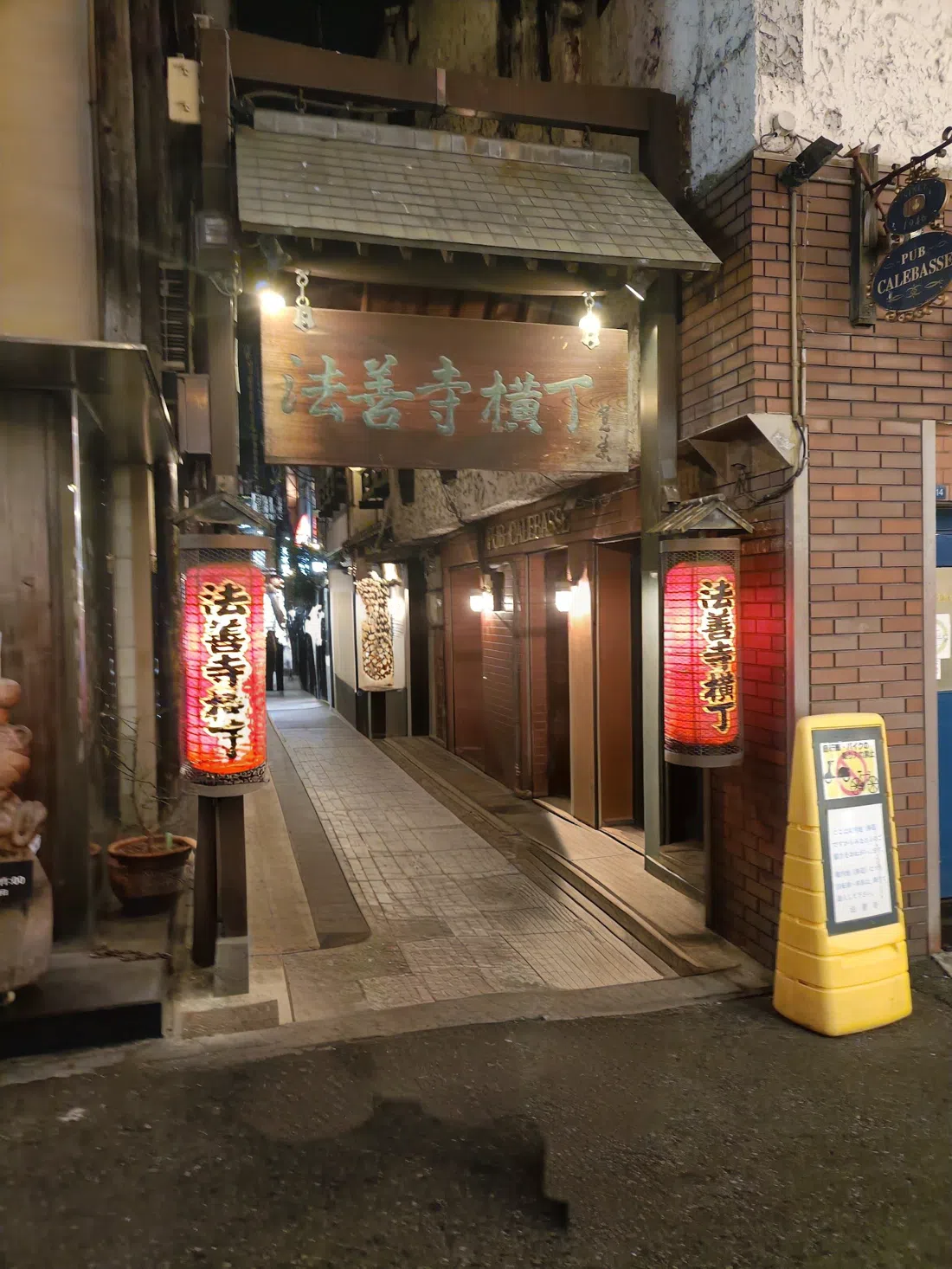
End the evening in Hozenji Yokocho (Minami, thirty seconds south of the canal), a stone-paved lane that feels a century older than the street it hides behind. Sixty-odd tiny places, most seating six to twelve, ¥3,000–¥8,000 a head with drinks. This is pair and couple territory. A group of eight either books ahead or accepts being split across two counters, and the graceful move is to split on purpose rather than stand in the lane negotiating.
What a second day is actually for
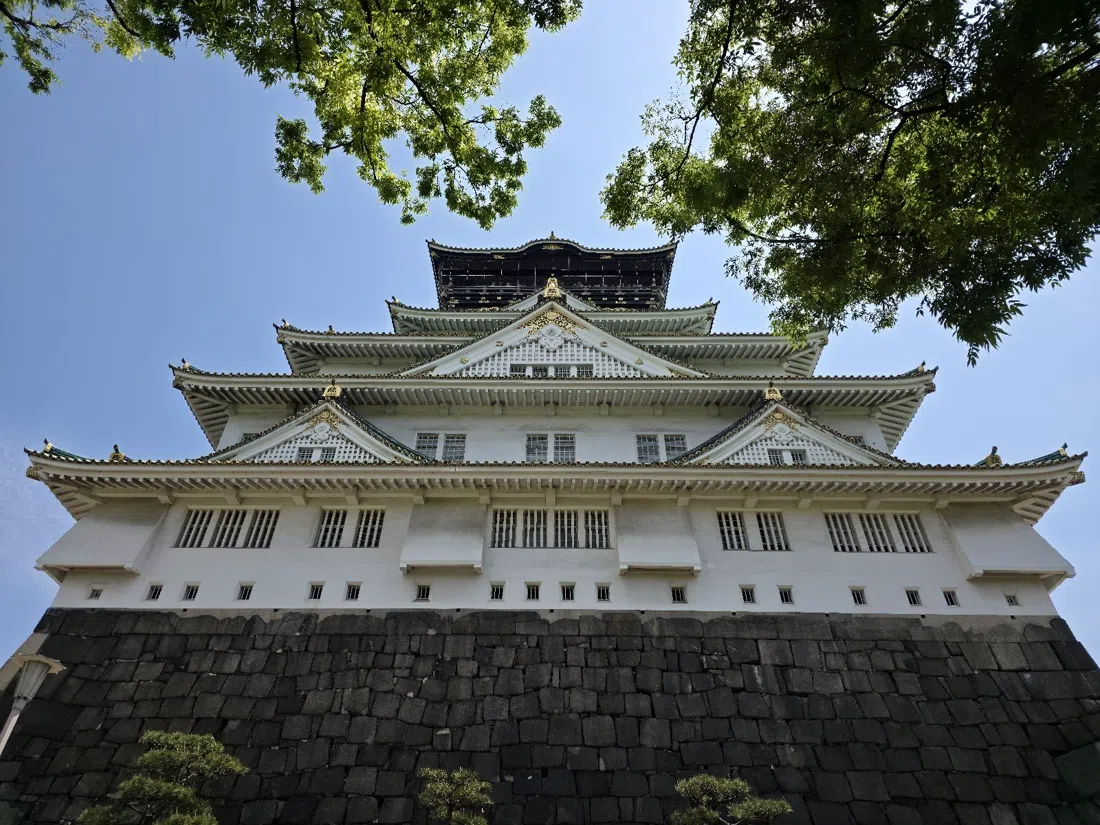
Osaka Castle Main Keep (Chuo, in the middle of a 105-hectare park) is the lever most people use when deciding between two days and three. Treat it as an hour if you only want the view from the top, or half a day if you walk the moats, the outer bailey and the Nishinomaru Garden, which is ¥300 on top of the ¥1,200 keep ticket. Open 9:00–18:00 with last entry at 17:30, closed 28 December to 1 January. Buy e-tickets if there are more than two of you: the bottleneck is the keep door, never the park.
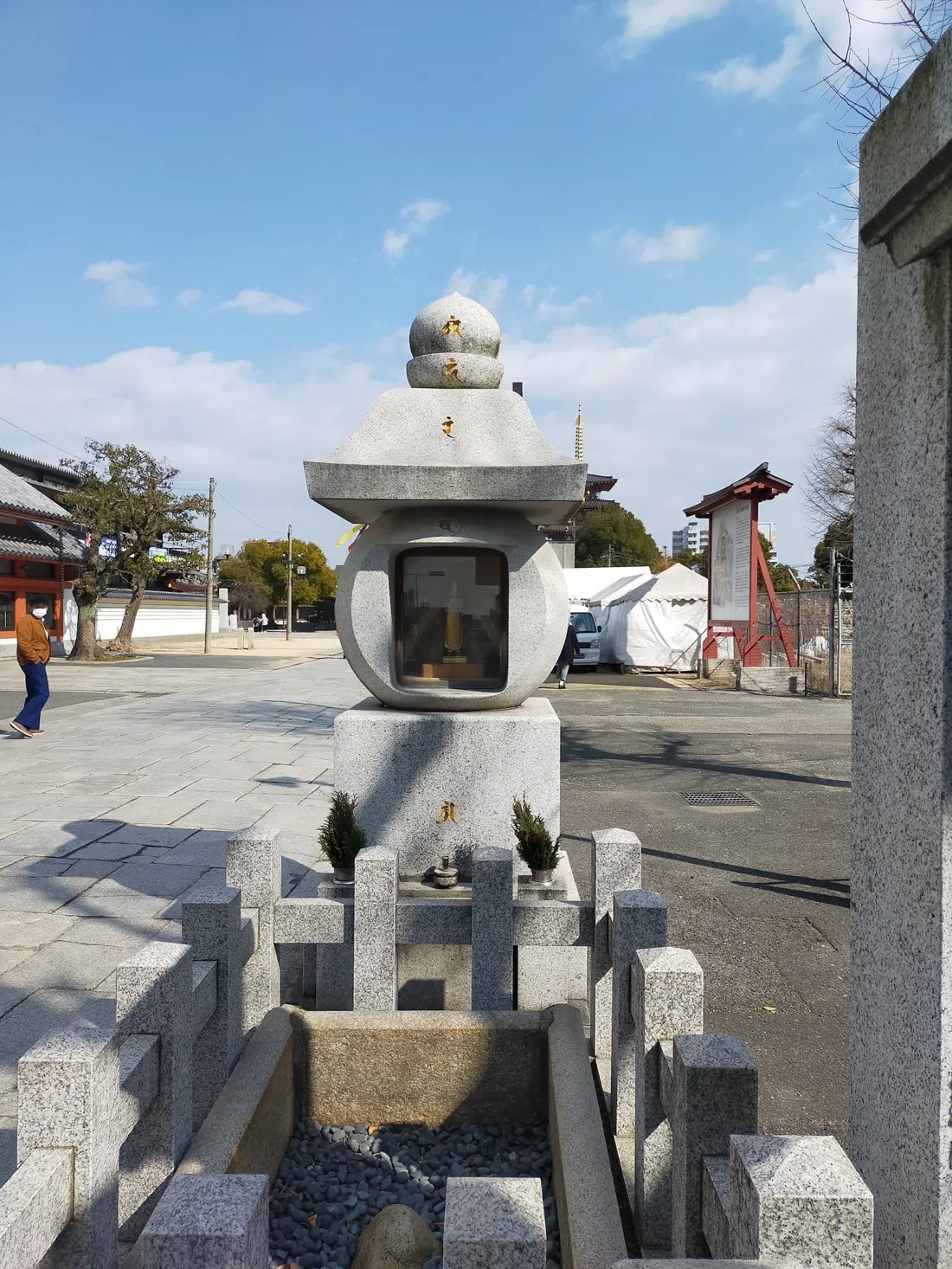
South of the centre, Shitennoji (Tennoji) is the quietest big thing in the city. Founded in 593 AD, it is the oldest state-founded temple in Japan, and it is rarely crowded. The outer grounds are free and open, the paid inner precincts are small and cheap (¥300 for the Central Complex, ¥300 for the garden, ¥500 for the treasure house), and the gates open at 08:30, the earliest useful start on this list. If your dates include the 21st of any month, a large flea market spreads across the grounds and the visit doubles in length.
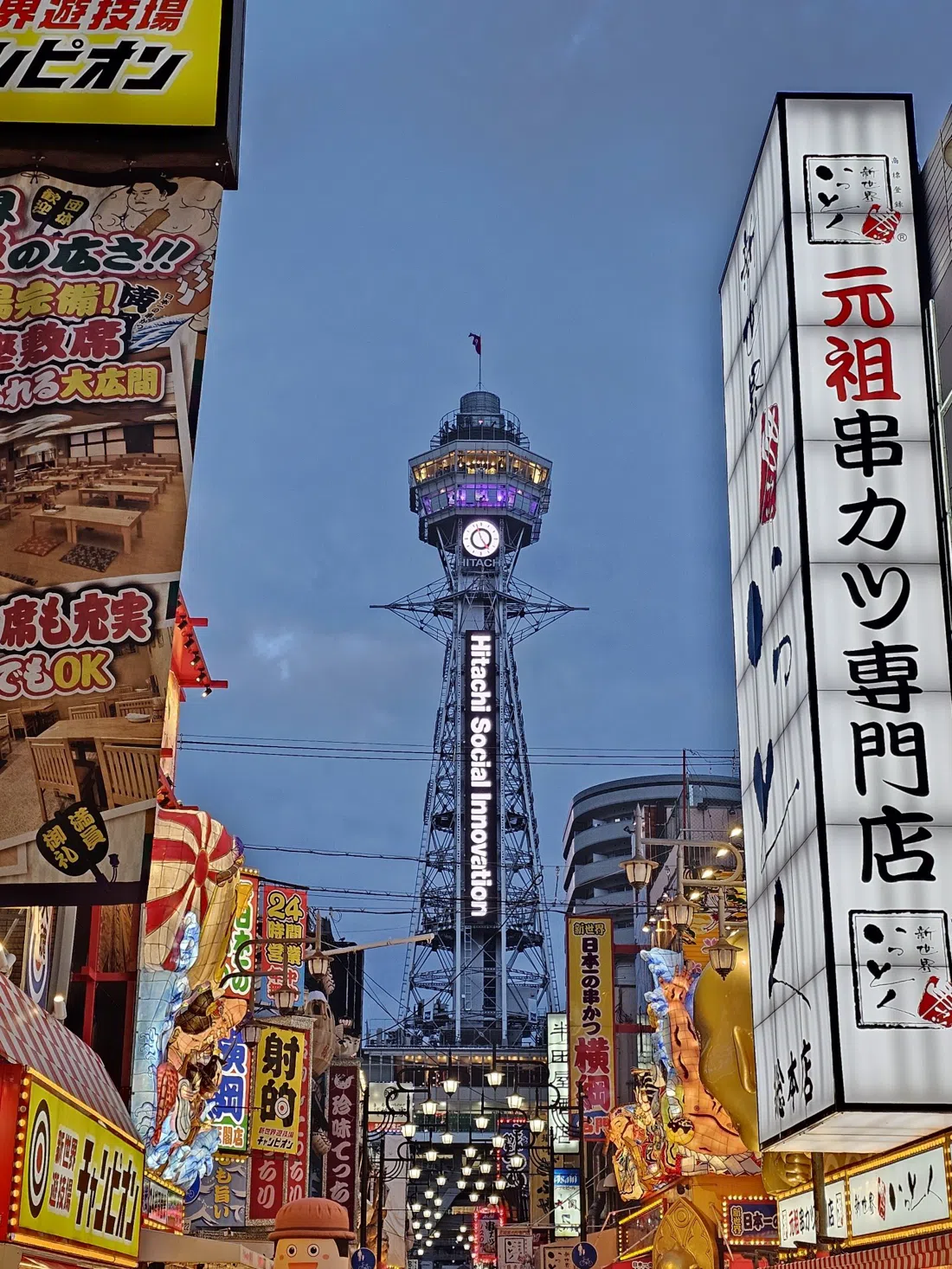
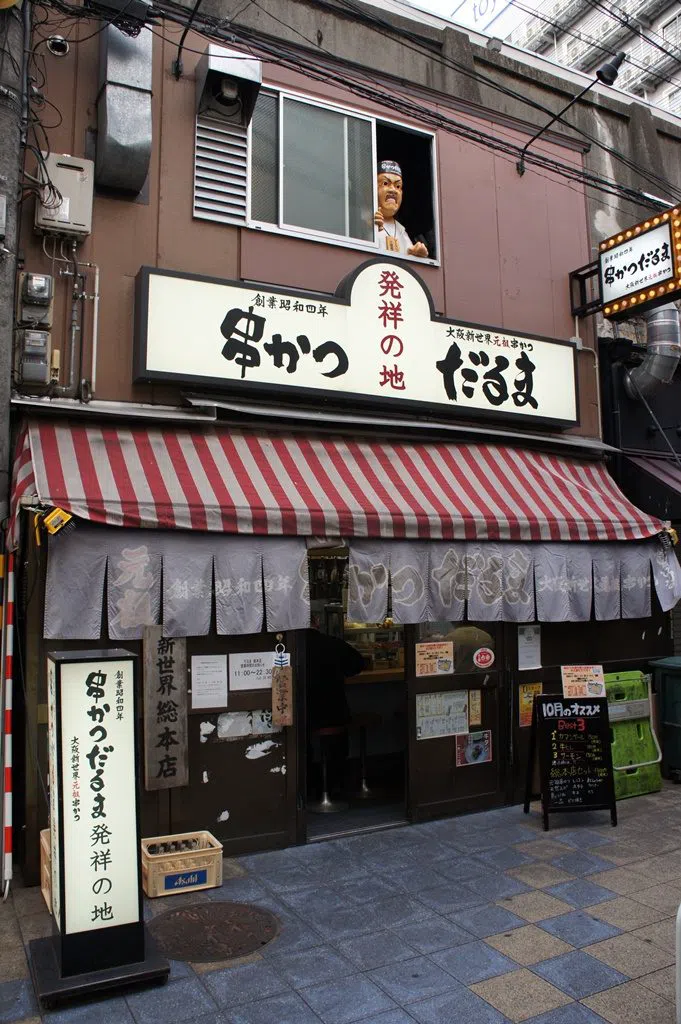
For the evening you have a genuine choice. Tsutenkaku Tower (Shinsekai) anchors the district standing under it: observatory 9:00–22:00 at ¥1,200, with the Tower Slider ¥1,000 extra for adults after the April 2026 price revision. The slide carries hard limits (120cm and over, under 120kg, ages 7 to 65), so part of the party will be waiting at the bottom, and it is kinder to say so before anyone queues. Eat underneath it at Kushikatsu Daruma Shinsekai Sohonten (Shinsekai), the 1929 original that made deep-fried skewers an Osaka dish. Open year-round 11:00–22:30, from 10:30 at weekends, ¥2,000–¥3,000 a head, counter-led and cash-quick. One dip per skewer, no exceptions, and the cabbage is the communal scoop. Above six people, expect to be split across counters or to queue.
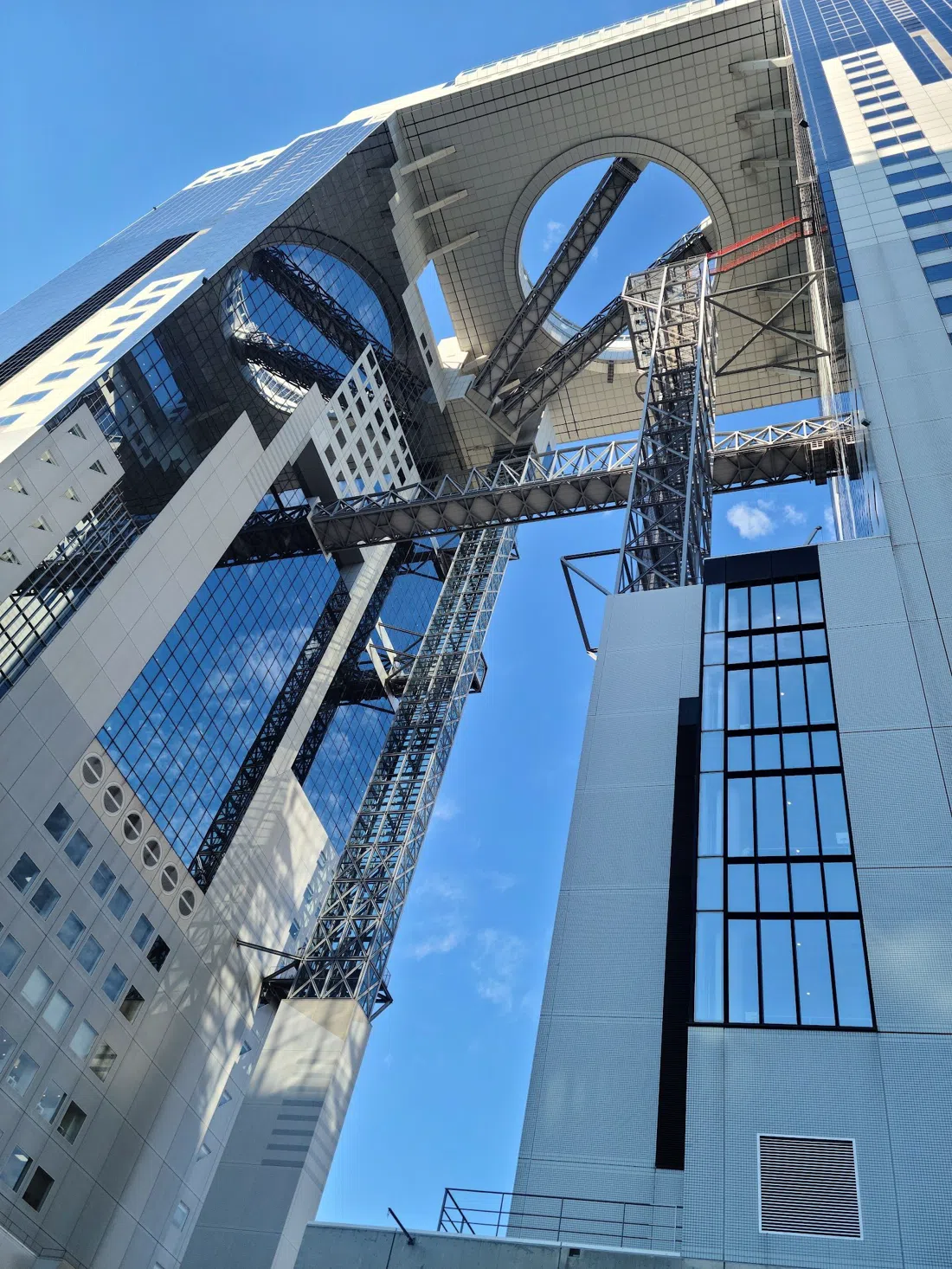
The alternative is the Umeda Sky Building Kuchu Teien Observatory (Umeda, in the northern office district), the one skyline ticket in Osaka I would pay for, because you stand outside in the wind on an open rooftop ring rather than behind glass. ¥2,000 adults, ¥500 for children from four to primary school age, open 9:30–20:30 with last entry at 20:00. Go for the half hour after sunset, and note the ring is wide enough that a group can spread out without blocking the rail.
The third day goes south of the centre
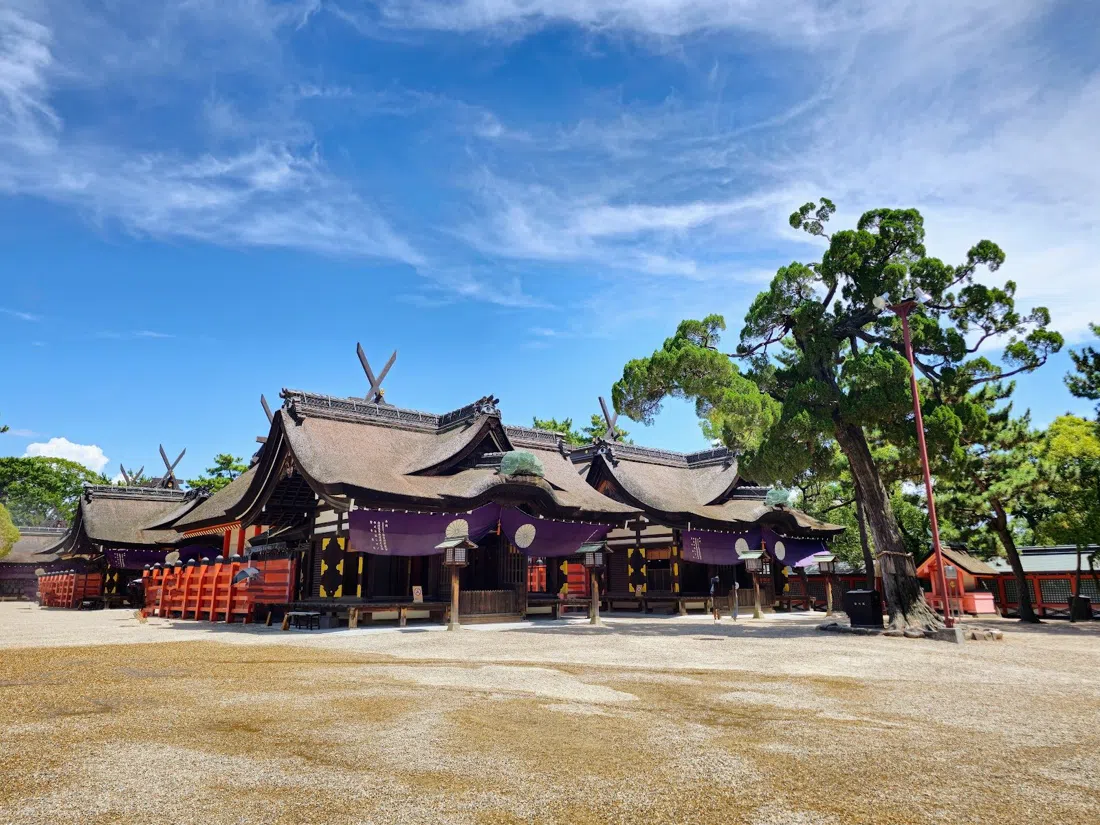
Sumiyoshi Taisha (Sumiyoshi, reached on the old Hankai tram) is the payoff for giving Osaka a third day rather than decamping early. The shrine style predates Buddhist influence in Japan: straight roofs, no curve, nothing borrowed. The grounds are large, free and open from 06:00, or 06:30 from October. Any group size works here. The rattling tram ride down is half the point.
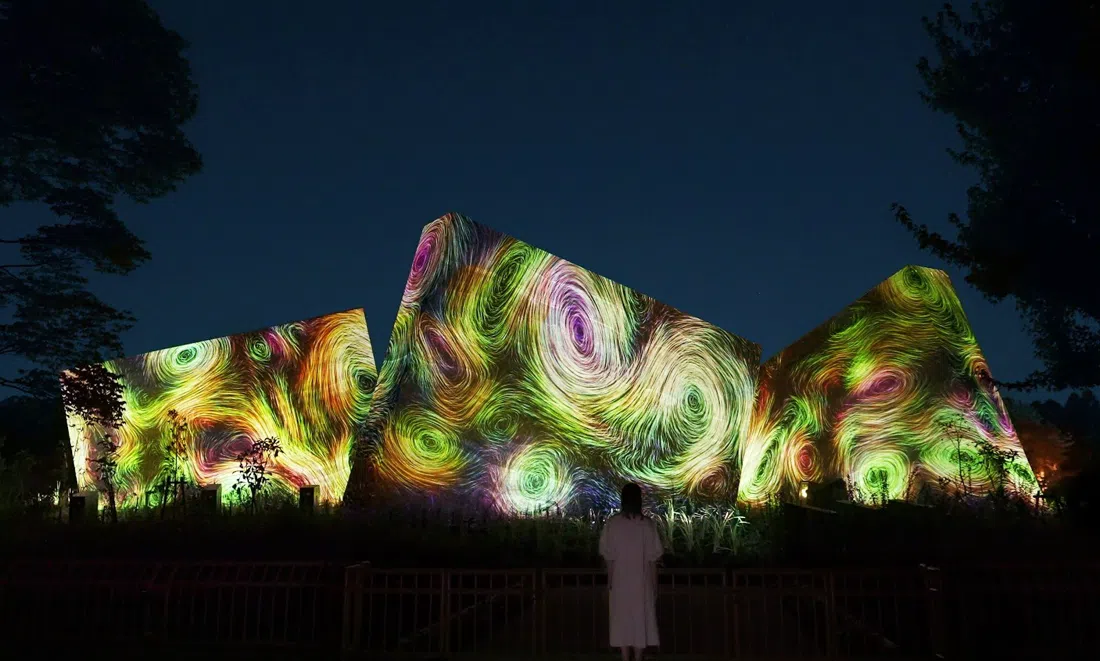
teamLab Botanical Garden Osaka (Nagai Park, southern Osaka) is the rare attraction that costs you an evening rather than a day. It is permanent, it exists only after sunset, roughly 18:00 to 21:30 depending on the season, and the paths are wide outdoor ones, so it handles groups comfortably. ¥1,800 booked online, ¥2,000 at the gate, ¥500 for ages 6 to 15. It closes for maintenance in late February, which is exactly the sort of thing to check before building a night around it.
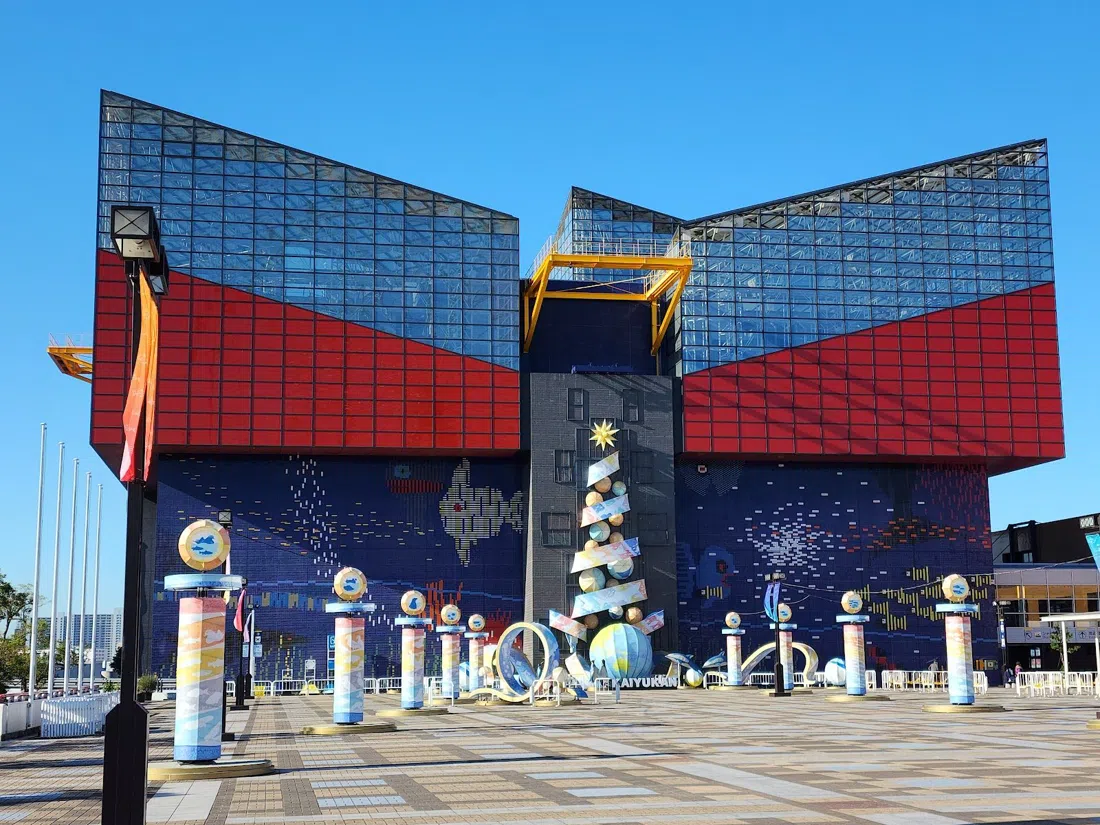
Keep Osaka Aquarium Kaiyukan (Tempozan, out on the bay) in reserve. Two to three hours, open 10:00–20:00 with last entry at 19:00, and the best wet-weather insurance in the city. Pricing is dynamic, roughly ¥2,400–¥2,700 for adults and ¥1,200–¥1,400 for ages 7 to 15, with timed e-tickets. Entry on the day is not guaranteed, so a group books the slot rather than turning up. One current caveat: the Aleutian Islands tank is being rebuilt, so the puffins have gone.
Day trips that do not cost you a hotel move
Three nights in Osaka supports exactly one day trip. Two is the point at which a first trip starts to feel like a commute.
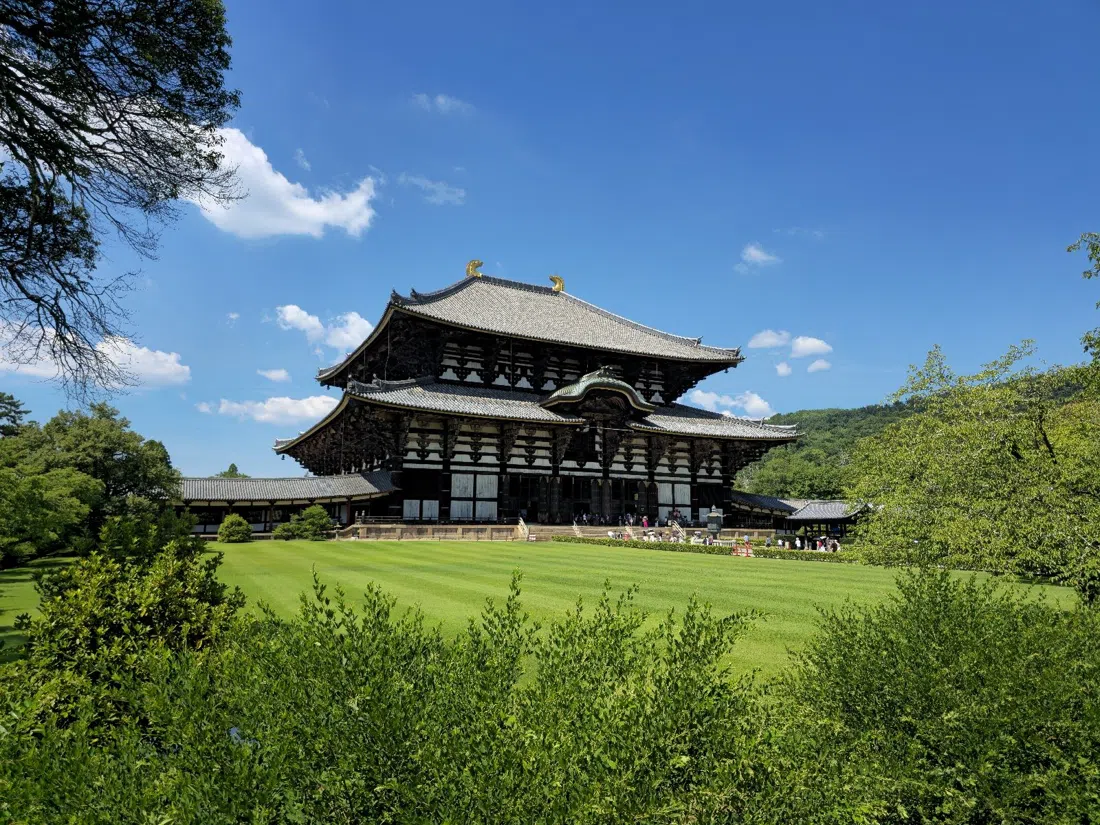
Todaiji and Nara Park (around 45 minutes on the Kintetsu line) is the easiest of them and the one I would send most people on: a huge open park that absorbs any group size, ¥800 for the Great Buddha Hall or ¥1,200 with the museum, the park itself free, deer crackers ¥200. The Great Buddha Hall window is cash only. Half a day, and you are back in Osaka for dinner.
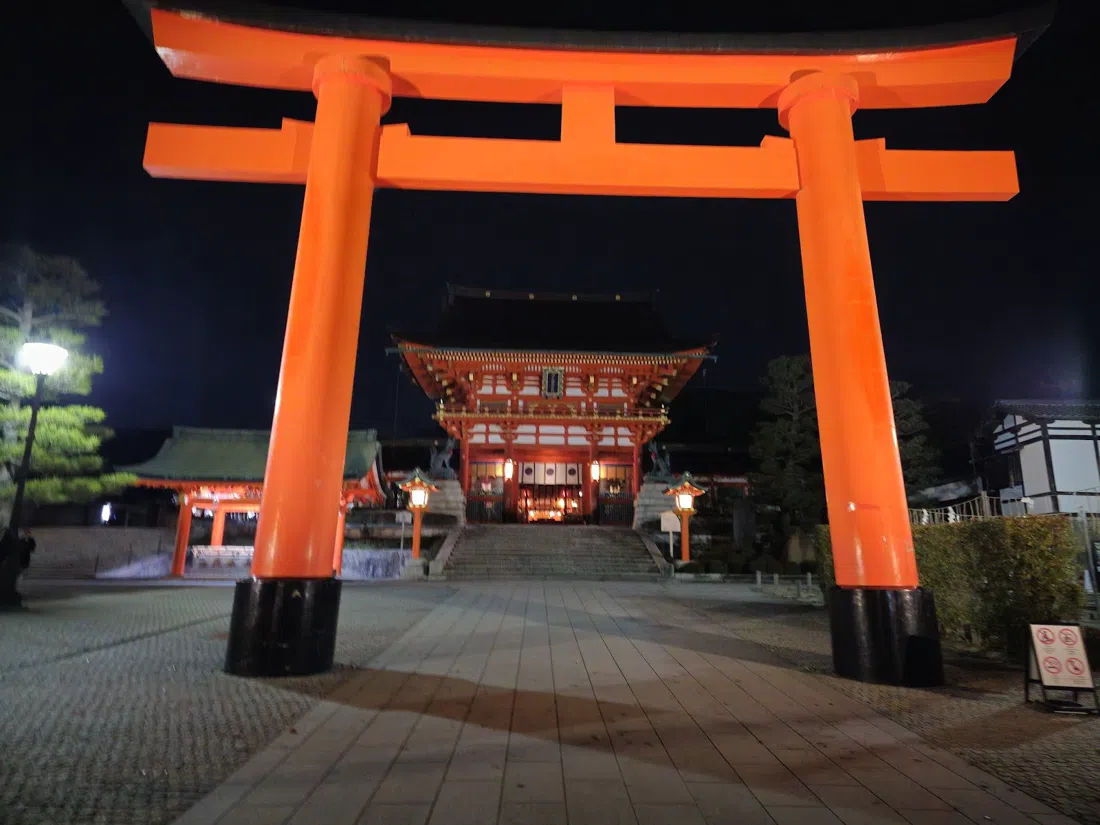
Fushimi Inari Taisha (about an hour from Osaka door to door) is free, has no gate and is open 24 hours, which is what makes the timing work. It takes ten million visitors a year, so the visit is not the negotiable part; the hour is. Go before 08:00 or after 18:00, when the lanterns are lit and the tunnel of gates is something other than a slow queue. For a group there is no other sane option.
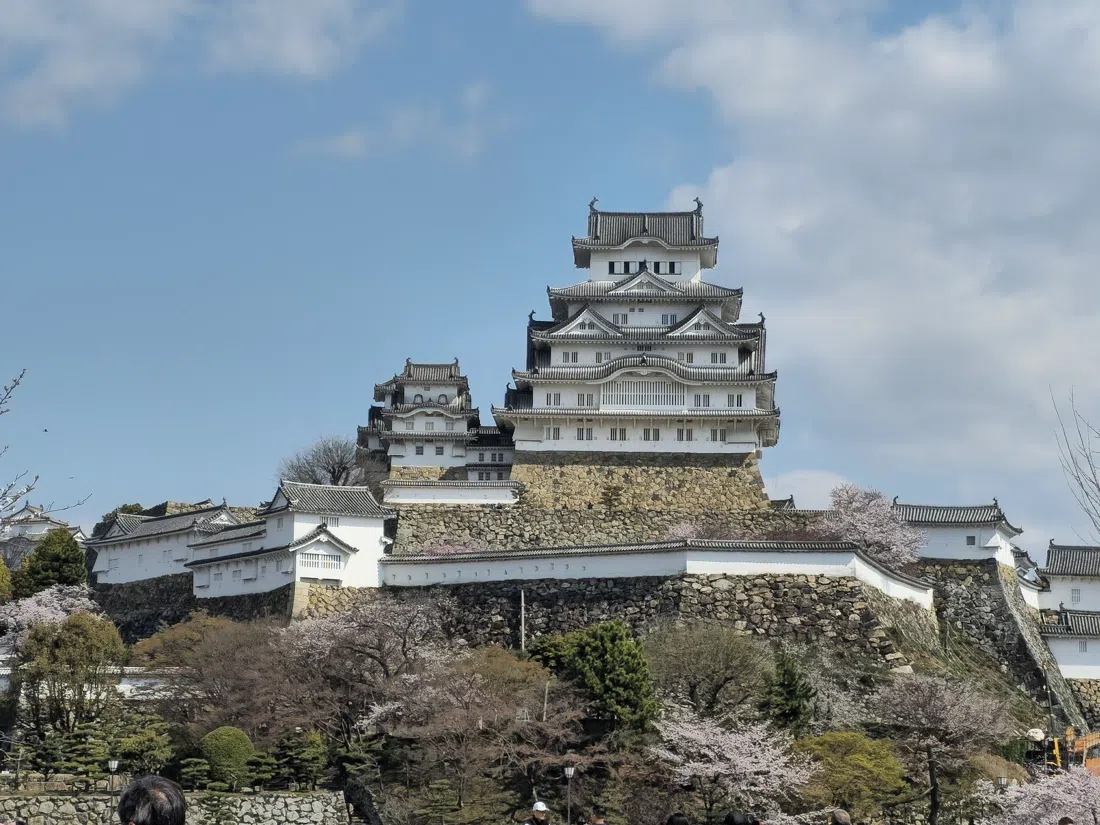
Himeji Castle (about an hour by shinkansen from Shin-Osaka, then a straight walk from the station) is the only original, never-rebuilt keep of this scale in Japan, and it is now the expensive choice: ¥2,500 for adult non-residents since 1 March 2026, ¥1,000 for residents, under-18s free. The price more than doubled in March, so decide before you build a day around it. Inside, the internal ladder-stairs are steep and slow, which large groups feel keenly.
Universal Studios Japan changes the arithmetic
Universal Studios Japan (Konohana, bayside) is the single biggest variable in Osaka trip length, and adding it means adding a day rather than squeezing one in. It takes the whole day, gates to close. Adult one-day passes run around ¥8,600 on a weekday to ¥10,900 at peak, and since 5 January 2026 the official app issues Area Timed Entry for Super Nintendo World, which means every person in the group needs the app on their own phone rather than one nominated organiser holding everyone's place. Donkey Kong Country sits inside that Nintendo World entry, so it needs no separate slot.
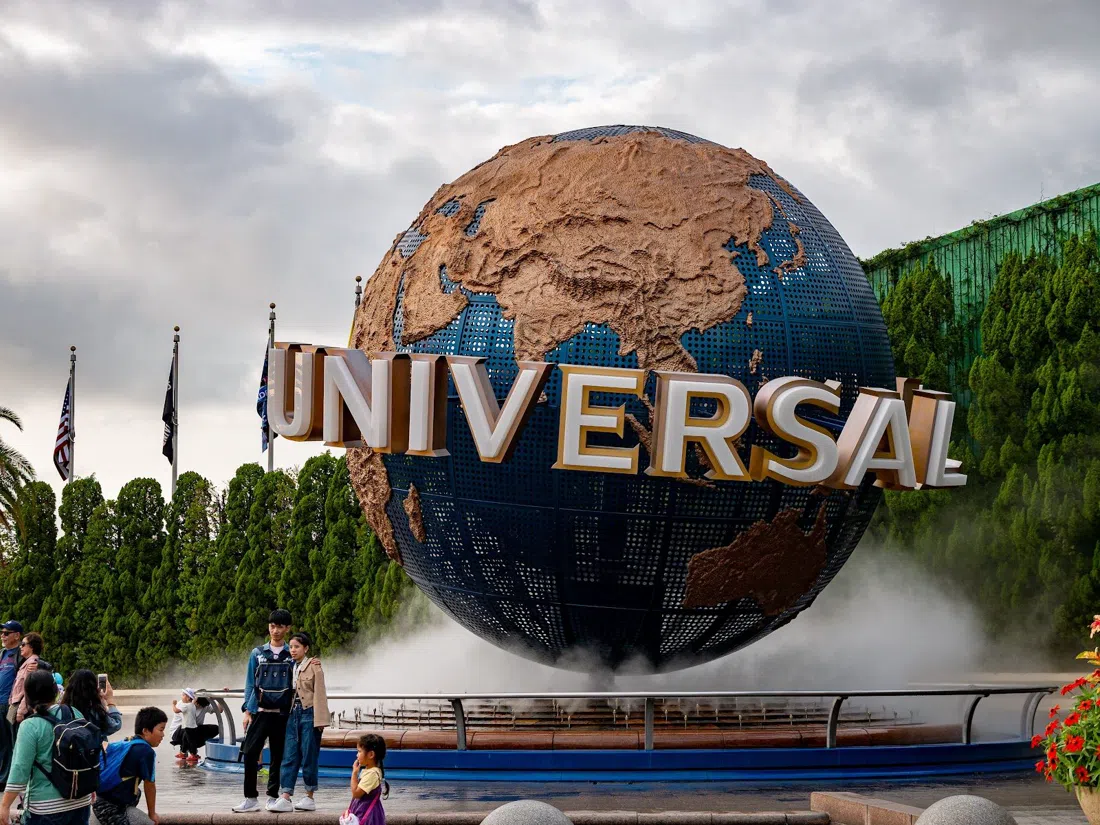
If the park is in, count four nights: canal day, city day, park day, and either a third Osaka day or one day trip. Fold it into three nights and the second evening is what gets dropped, which is the stretch of the day when the lanes and the counters are working.
Who each version suits
Couples and pairs get the most out of two nights plus one day trip, because the best rooms in this city seat six to twelve people and the counters reward two who can slide in anywhere a gap appears.
Families do better with three, mostly because the fixed points do not compress: an aquarium slot, a sunset rooftop, a park that needs walking. Groups of six and above should pre-book everything with a door, meaning the keep, the aquarium, the night garden and the theme park app. The street, the market line, the shrine grounds and the canal will take any number of you; the counters will not, and splitting deliberately beats being split at the entrance.
Travelling alone, Osaka is the simplest city in Japan to eat well in, because almost everything worth eating is served at a counter to one person facing forwards.
Getting around, paying and timing it
The subway does nearly all of it, and the awkward corners each have their own line: the Hankai tram to the old shrine, Kintetsu for the deer park, the shinkansen out of Shin-Osaka for the keep. An IC card covers the subway and most local trains, and nothing in a two-to-four-night stay justifies a rail pass.
Cards work in most places now, but the exceptions are on this very list. The Great Buddha Hall ticket window is cash only and the kushikatsu counters are cash-quick by design. Carry ¥10,000 in small notes and you will never be the person holding up a queue.
The timings worth building around: market before 10:00, temple gates at 08:30, castle keep at opening or after 15:00, rooftop in the half hour after sunset, canal after dark, the gate tunnel before 08:00 or after 18:00, the night garden only once the sun is down.
Excluding the hotel, a realistic day runs ¥6,000–¥9,000 a head: one paid sight at ¥1,200–¥2,500, a grazing lunch under ¥2,000, and ¥3,000–¥5,000 for dinner with drinks at a counter. A theme park day lands nearer ¥14,000 once you have eaten inside the gates. For district detail and where to sleep, the Osaka guide carries the rest.