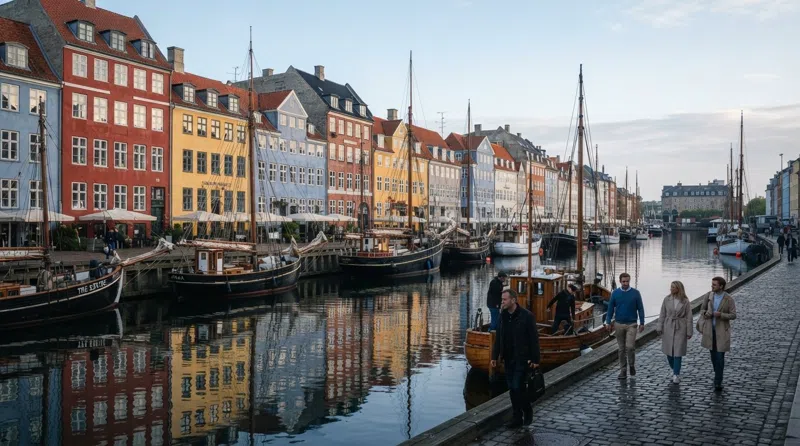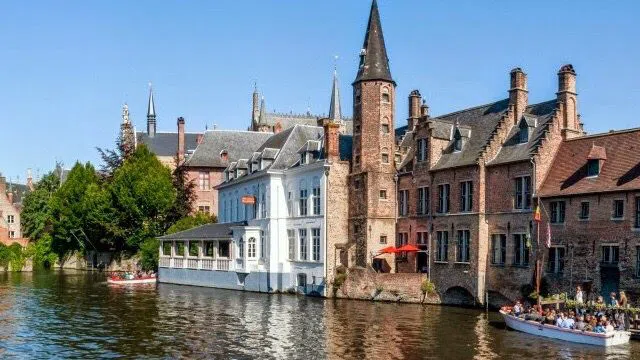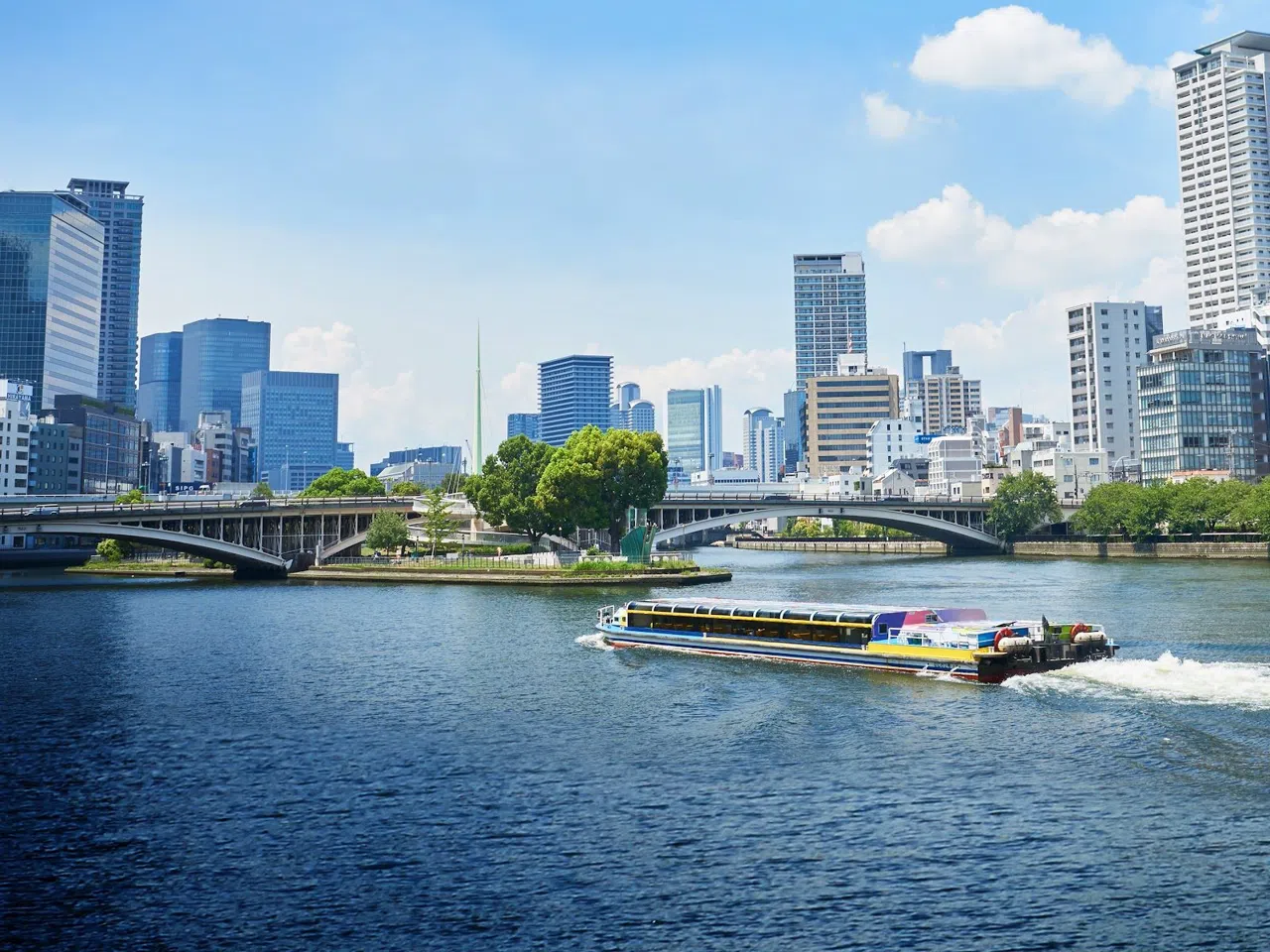

Osaka calls itself the water city and then hides the evidence under an expressway. Push past Dotonbori's neon and down to the Nakanoshima river delta, though, and the older city is still there: the Dojima and Tosabori rivers splitting around a long narrow island the way they have since Edo-period rice merchants ran their trade off these very banks. Cruise boats still work the loop, chartered yakatabune still throw private parties on the water, and a handful of riverside cafés still turn their backs on the traffic to watch the current instead. It rewards a slow half-day more than a single photo stop — this is a piece best read with a river map open beside you.
Where the Two Rivers Split
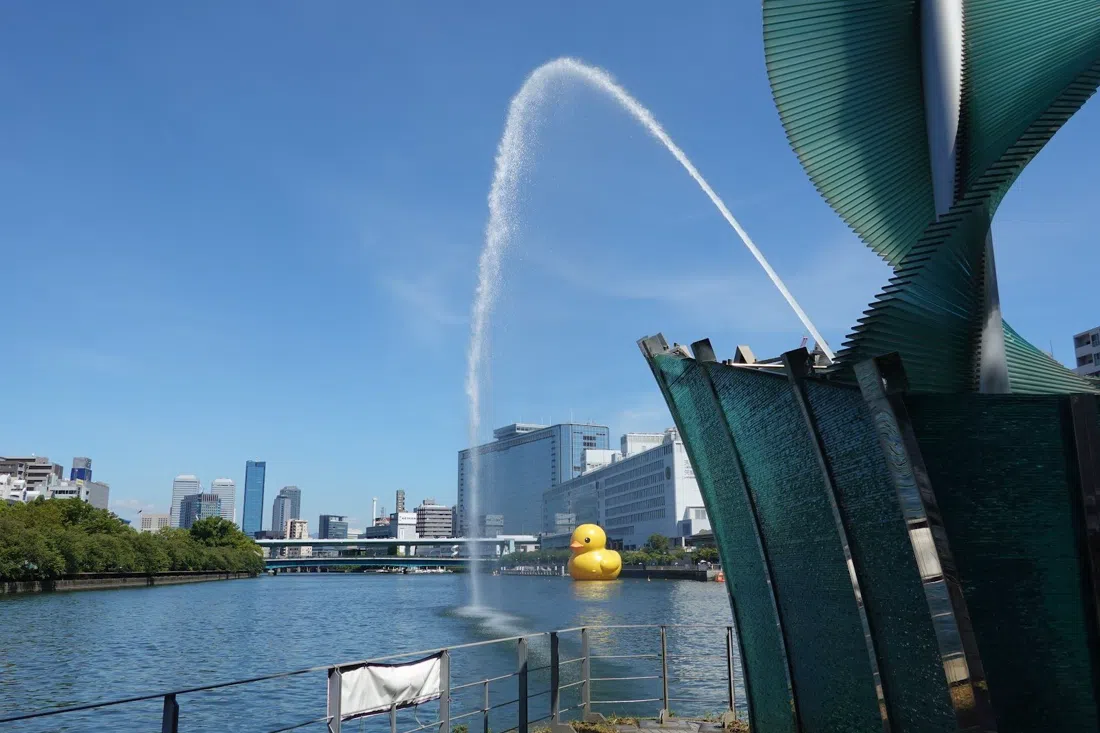
Start at Nakanoshima Kensaki Park (western tip of Nakanoshima island), because everything else in this piece only makes sense once you've stood where it does. This free public park sits at the exact point where the Dojima-gawa and Tosabori-gawa visibly diverge — Nakanoshima itself is a reclaimed sandbar, built up as a rice-trading depot from the 1600s onward, and its shape is still legible from this one spot in a way it isn't from a map. There's no entry fee, no capacity limit, and no real crowd management, so it works equally well as a five-minute orientation stop or a bench-and-a-book afternoon. Go at golden hour if you can; the light off the water is better than anything a boat ticket buys you, and it costs nothing.
Riding the Public Loop
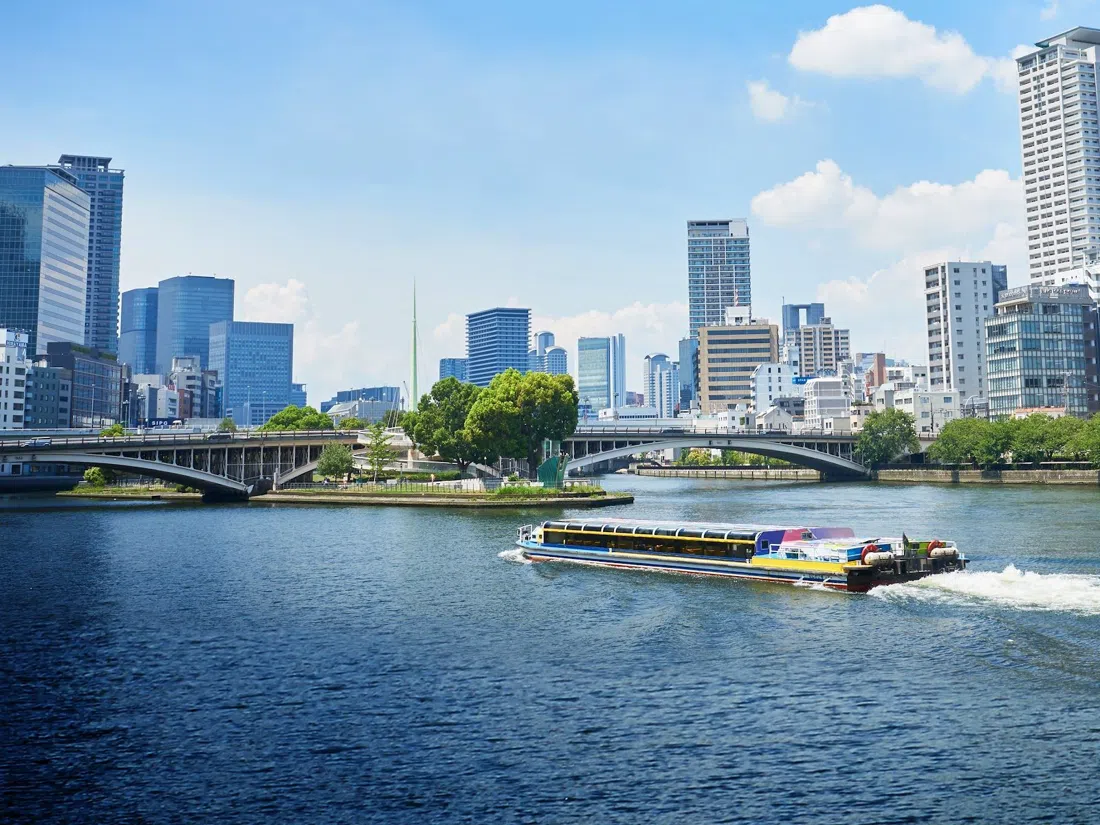
For most visitors, the Osaka Suijo Bus – Aqua-Liner is the correct first boat. It's a scheduled public sailing running the historic three-pier route — Osaka Castle, Yodoyabashi, Hachikenya-hama — and it's the only service on this list that completes the full Nakanoshima loop, passing both the Dojima and Tosabori banks in one trip rather than skimming one side. A full loop runs ¥2,000 for an adult; a single leg (useful if you just want Yodoyabashi to Hachikenya-hama, say, rather than the whole circuit) is from ¥1,200. It takes groups without fuss and block bookings can be arranged directly with the operator for larger parties. As of writing it's confirmed running through 31 August 2026, so if your trip falls right at the end of that window, it's worth a quick check before you build a day around it. Buy tickets at the pier counter; on weekends and holiday afternoons the queue is real, so turning up 20–30 minutes ahead of a sailing you actually want is not excessive.
Chartering the Canal for Yourselves
If the Aqua-Liner is the honest, shared version of river life in Osaka, the next tier is the private one — and it splits cleanly by who you're travelling with.
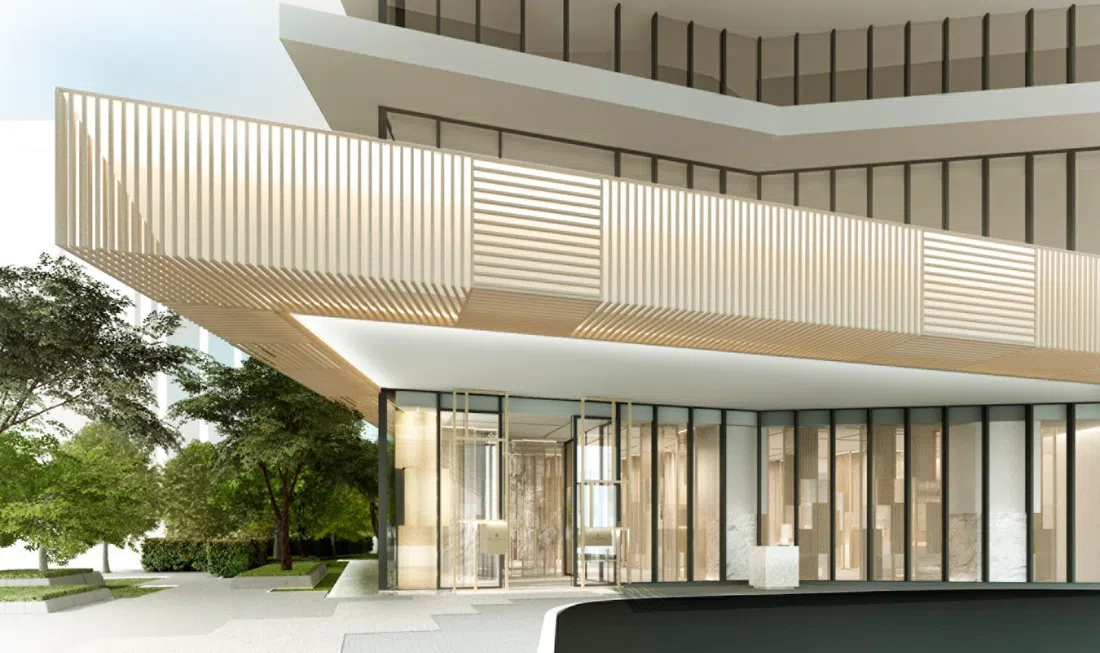
The Four Seasons Hotel Osaka – Dojima River Private Cruise (Dojima riverbank, steps from the hotel) is the most literal answer to this piece's subject: it's named for the exact river the article is about, and it's the only entry here that guarantees you the canal to yourselves rather than sharing it with a public sailing or another charter party. It's hotel-guest exclusive, capped at eight adults, and priced on application — expect somewhere north of ¥100,000 for an 80–110 minute charter. This is not a spontaneous booking; arrange it through the concierge as part of a stay, and treat it as a couples-or-small-family splurge rather than a group night out.
For the group version of the same idea, there's KPG River Cruise (Osaka Yakatabune), a full-charter yakatabune operator that takes anywhere from one to 52 people, which makes it flexible in a way almost nothing else on the water is. Lunch charters have a minimum spend of ¥50,000, dinner charters ¥100,000 total, and per-person pricing starts around ¥12,000 with drinks included. It runs year-round and is, honestly, the closest surviving thing to the old rice-merchant party boats that actually worked these canals centuries ago — the format hasn't changed much, just the guest list.
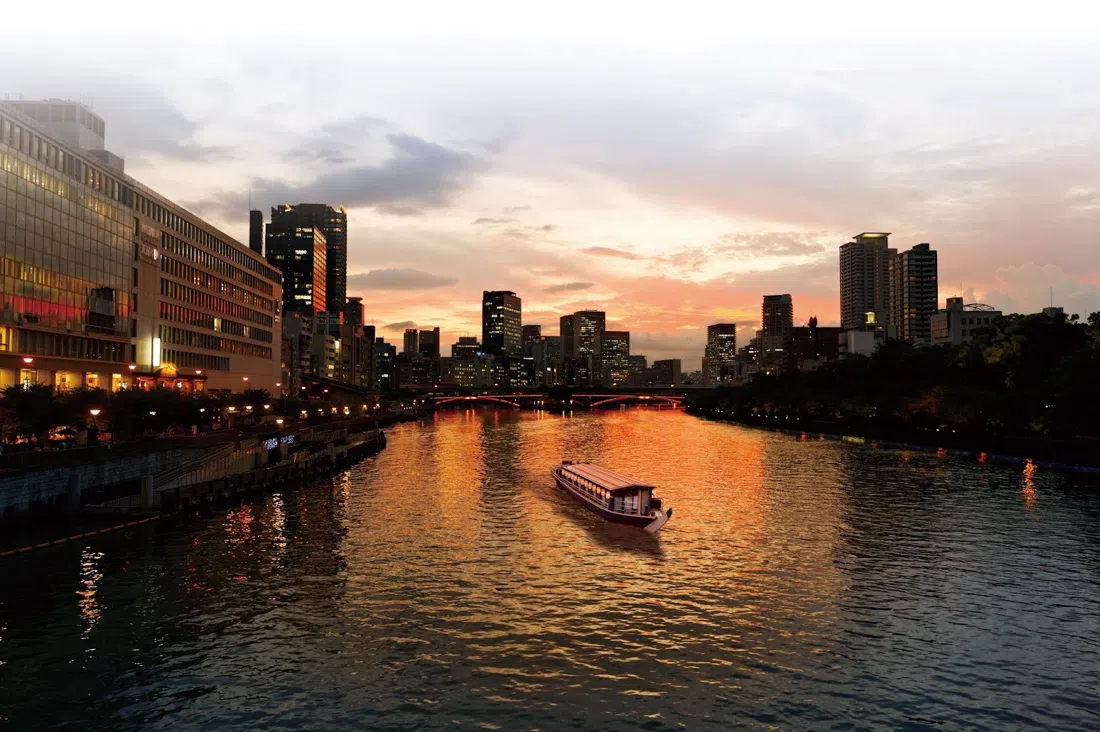
Mikami Yusen, further along toward Hachikenya, is the smaller, more old-fashioned version of the same category: full charter only, 8 to 44 guests, seasonal set courses from around ¥8,800 per person. It boards at the actual historic site of Osaka's old river-boat terminus, which gives it a sense of place the bigger operators can't quite match — you're not just riding a yakatabune, you're leaving from where the real ones used to.
Getting Inside the Canal, Not Just Beside It
Every option above puts you on a deck looking at the water. Nomad Kayaks – Water City Osaka Canal Tour is the one exception, and it's worth calling out on its own. It's the only way in this piece to actually get inside the Dojima and Tosabori loop rather than view it from a bank or a bigger boat — you paddle the same channels the yakatabune use, at water level, which changes the scale of the whole delta. Tours are private, one group at a time, and pitched at beginners and families; children are explicitly welcome. Pricing starts around $85 per person for a half-day. Book ahead, especially in summer — a single-group operation has limited daily capacity by design.
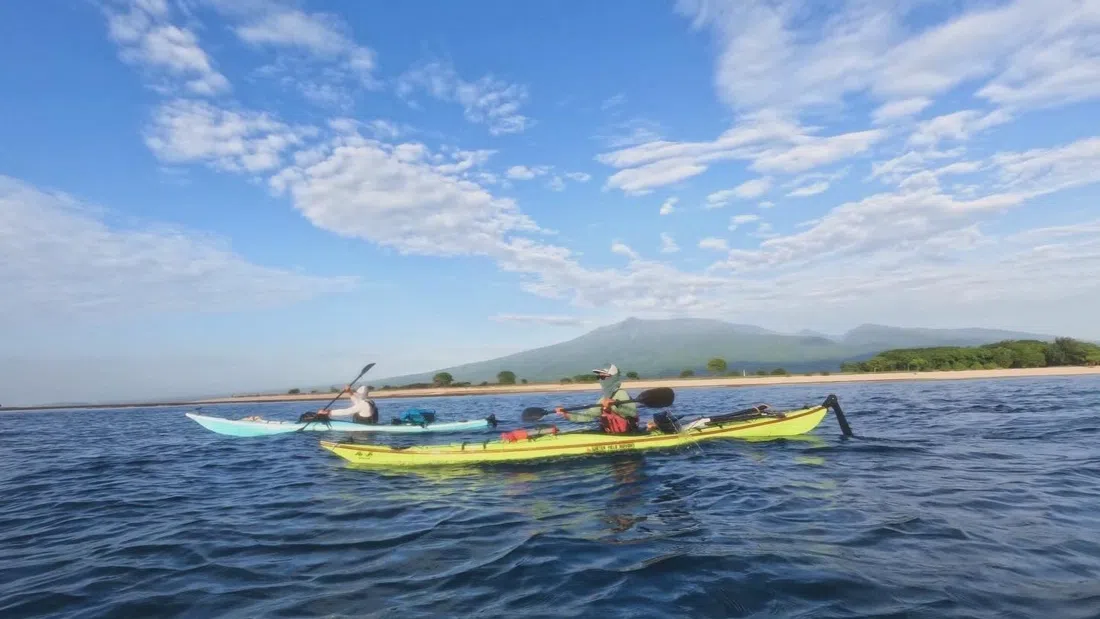
The Old Terminus, Reincarnated
River Station Hachikenya (川の駅はちけんや), at the historic Hachikenya landing, is the spot that ties the working-boat history of this piece together in the present tense. It's a casual walk-in restaurant with an information counter attached — no reservation drama, groups are fine, prices are mid-range, and activity rentals are priced separately from the food. Hachikenya was Osaka's most important river-boat terminus for centuries, and this modern rebuild sits more or less on that history rather than merely gesturing at it. Even if you're not renting anything or eating a full meal, it's worth the stop just to sit and watch the water traffic — Aqua-Liner sailings, private charters, the occasional kayak — come and go past the same point boats have used for hundreds of years.
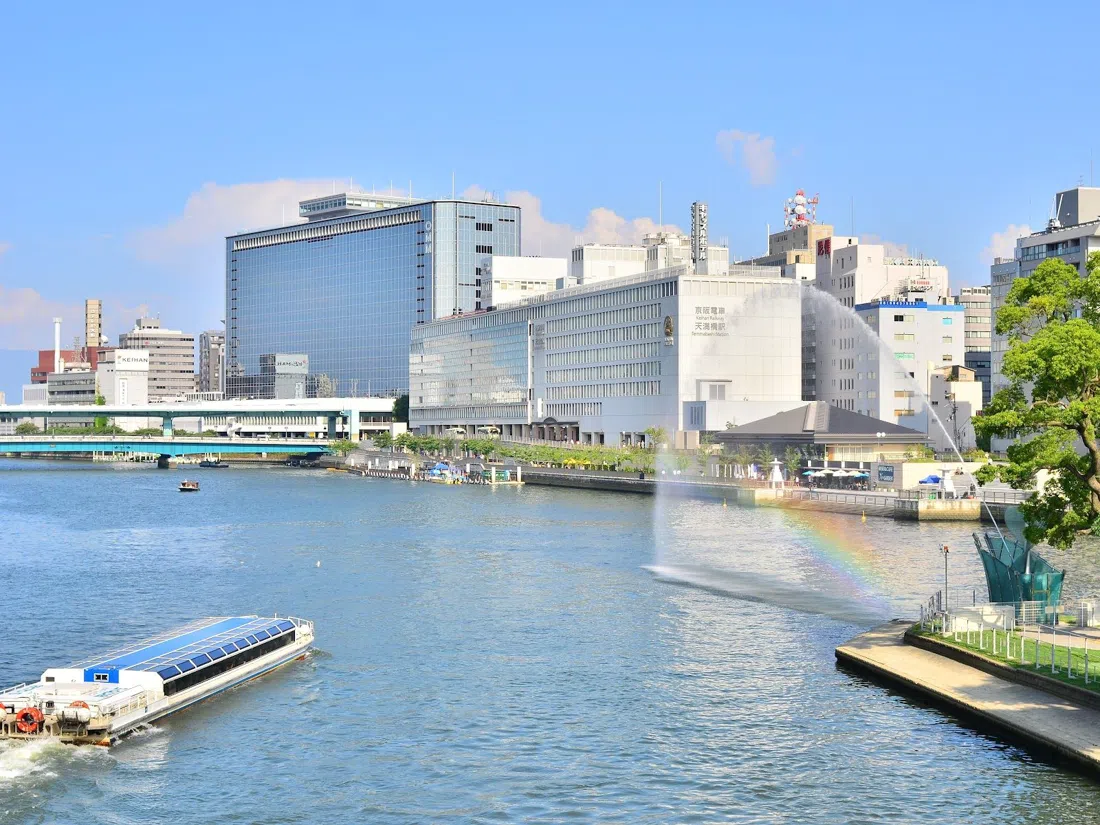
Kitahama's Canal-Side Tables
Kitahama, on the Tosabori bank opposite Nakanoshima, is where the riverside café culture actually lives, and it rewards treating as a proper crawl rather than one stop.
Kitahama Retro Building (北浜レトロ) (Kitahama) is the best indoor view of the Tosabori canal on this list, full stop — it's a registered cultural property, and the room itself is worth the visit before the tea arrives. Small groups are fine, there's no formal booking system, but expect a genuine queue for afternoon tea on weekends; a set runs roughly ¥3,000–4,000 per person. Go on a weekday if the queue matters to you.
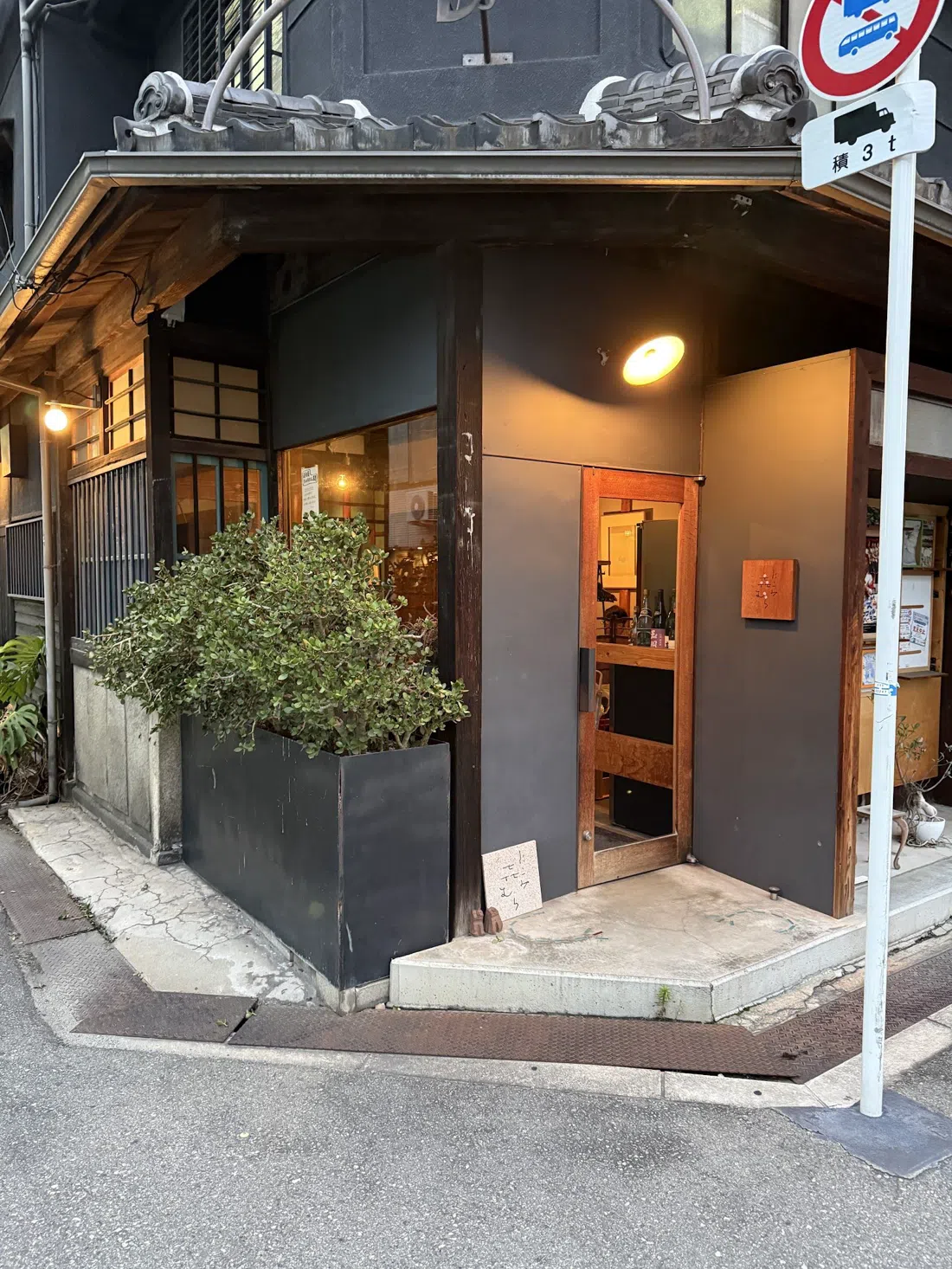
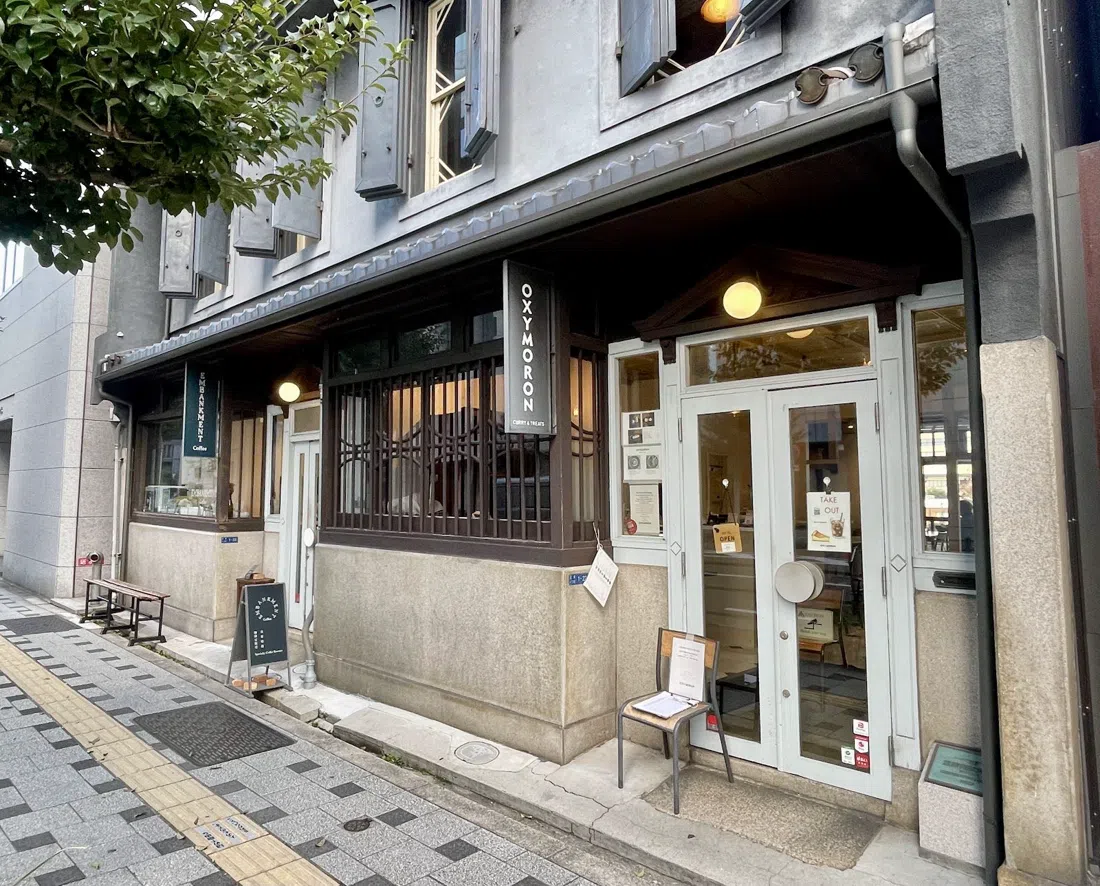
Embankment Coffee (Kitahama) is the opposite instinct entirely — deliberately unsigned, a black facade that gives away almost nothing from the street, and the water is really the only clue you're in the right place. It's casual, small groups fit without trouble, and you generally won't need a reservation. Expect to spend roughly ¥600–1,200 per item. This is the one for readers who actively dislike being told where to look.
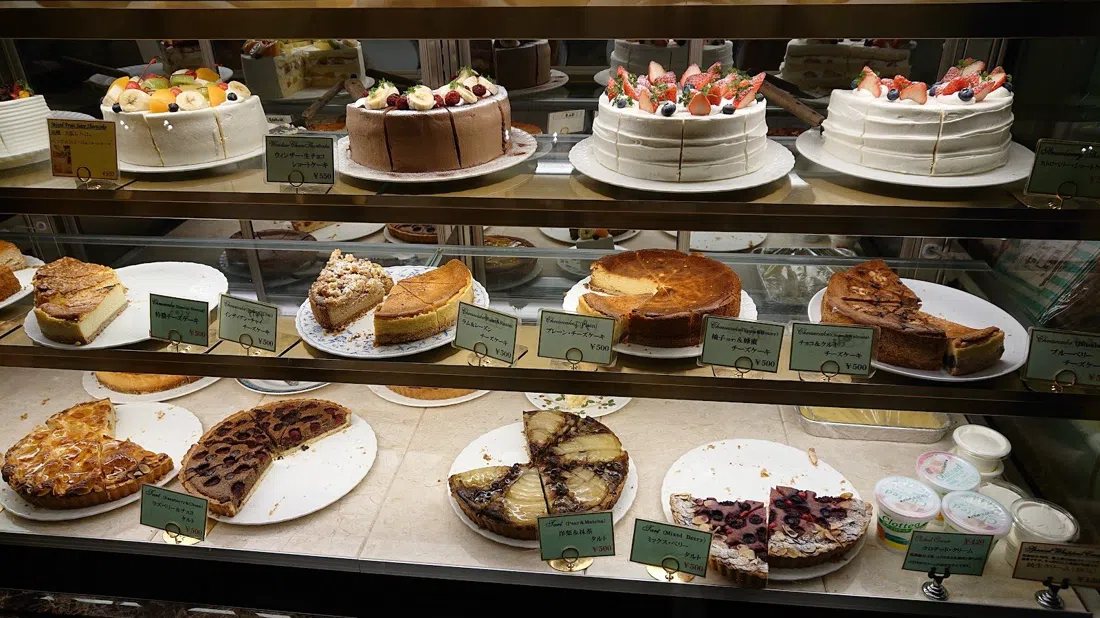
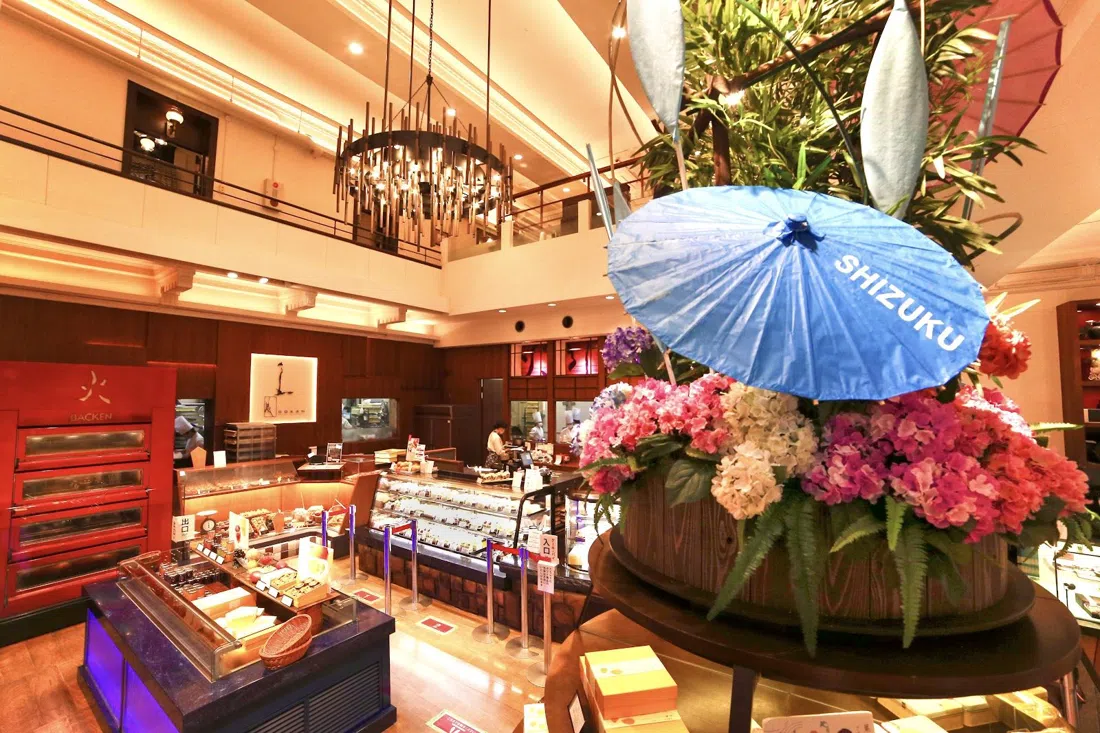
A short walk off the water itself, 五感 北浜本館 (GOKAN Kitahama) (just off Tosabori-dori, Kitahama) isn't directly canal-front, but it belongs in this piece anyway: it's a registered cultural property built for the same canal-side merchant class the boats once served, and the cakes and tea (roughly ¥1,500–2,500) are worth the short detour. Salon seating is limited, so groups should call ahead rather than turn up expecting a table.
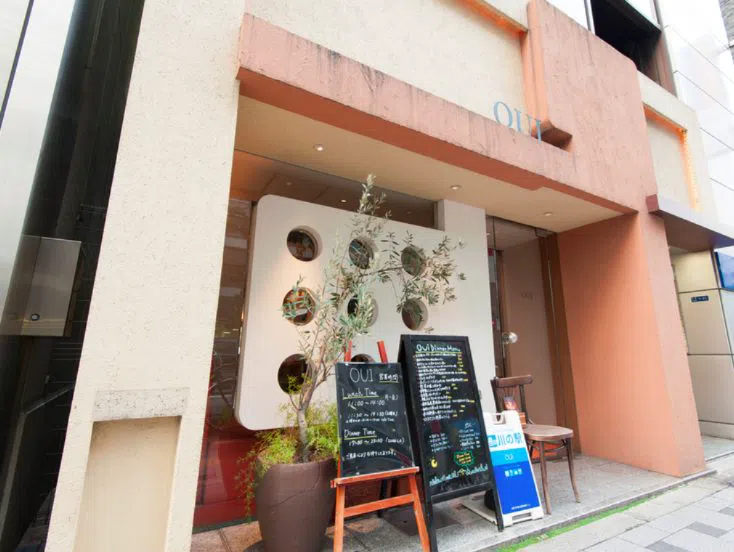
Kitahama Terrace – OUI (Kitahama) is one of roughly 15 riverside decks that make up the Kitahama Terrace association, an outdoor-dining season that runs from late March through December, weather permitting. Of the association's decks, OUI's has the clearest sightline to the water itself, which is the whole point of coming. Dinner mains run roughly ¥2,000–4,000, and it's reservable for groups — worth doing ahead in warm weather, since the whole appeal of the terrace format is fragile against a fully booked evening.
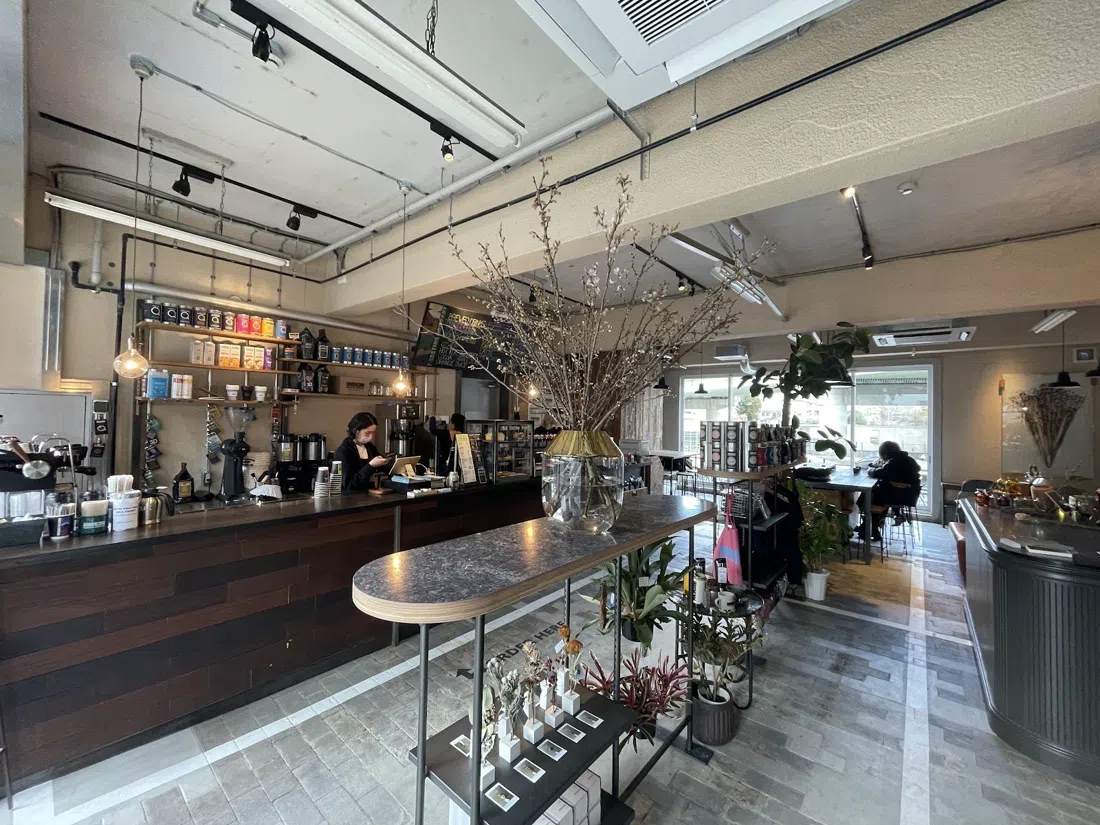
Brooklyn Roasting Company Kitahama (Kitahama) closes out the crawl with the clearest "converted riverside warehouse" feel of anywhere on this list — exposed structure, a laptop-and-coffee crowd, coffee at roughly ¥500–900. It's casual, groups fit easily, and it's a sensible place to end a Kitahama afternoon rather than start one, once you've already seen the more formal rooms.
After Dark: The River Lit Up
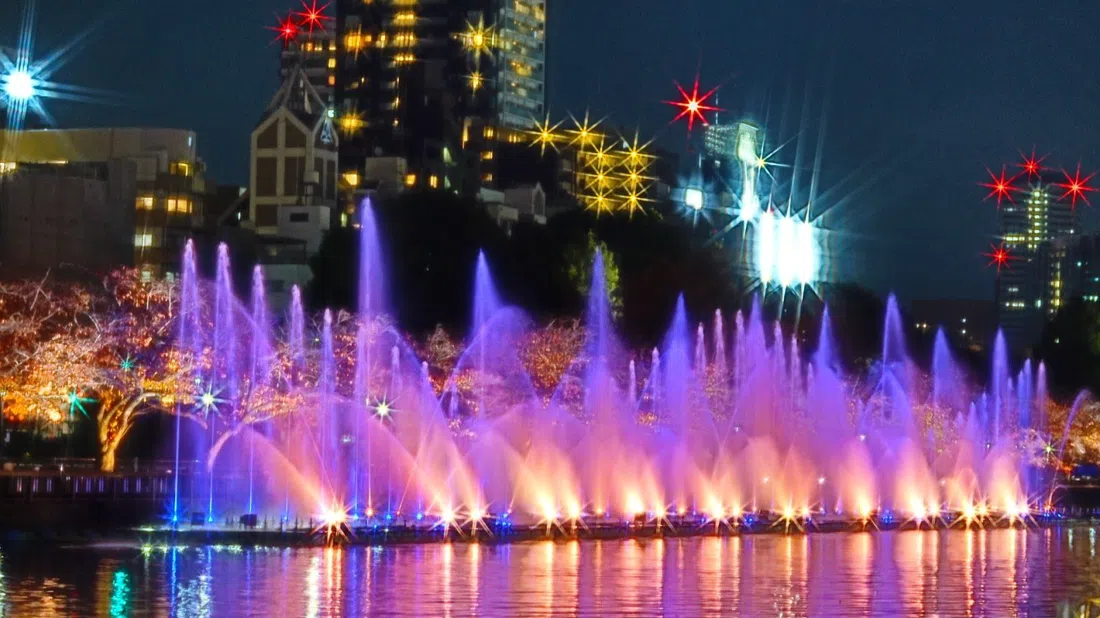
OSAKA River Fantasy (viewable along the Nakanoshima bank) is a legacy of the Osaka-Kansai Expo — a light-and-sound show on the water that's still running nightly, from sunset until 10pm, twice an hour. Watching from the bank is free and unticketed; if you want to watch it from the water itself, cruise seats are bookable individually or in blocks as a separate ticket. As of August 2026 it's confirmed active, aside from a short maintenance pause scheduled mid-month — worth a quick check if your visit lands in that window. It's the one experience here that doesn't ask you to choose between a boat and a bank: come for the free version first, and decide afterward whether the cruise add-on is worth it for your trip.
Practical Notes
Getting there: Yodoyabashi and Kitahama stations (Keihan and Midosuji lines) put you within a short walk of most of this piece — the Aqua-Liner's main pier, Kitahama's café row, and Nakanoshima Kensaki Park are all walkable from either exit. Hachikenya and the Dojima riverbank are a further 10–15 minutes on foot, or one more stop by subway.
Cash: Japan's card acceptance has improved, but smaller, unsigned spots like Embankment Coffee and salon-style rooms like GOKAN Kitahama still run more comfortably on cash — carry a reasonable amount of yen rather than assuming a terminal will be waiting.
Timing: A single loop on the Aqua-Liner takes under an hour; a proper day covering the park, one boat, and a Kitahama café crawl is realistically four to five hours. If you want the River Fantasy show, build your evening around sunset and stay through at least two of the twice-hourly performances before deciding it's not for you.
Budget: This piece scales from free to genuinely luxury. The park, the bank-side River Fantasy viewing, and window-shopping the canal cost nothing. A single Aqua-Liner leg and a coffee is a sub-¥3,000 afternoon. A private Four Seasons charter or a full yakatabune dinner charter is a different trip entirely — decide which one you're planning before you start booking, because the two experiences don't really overlap.
If you're basing a stay around this itinerary rather than a day trip in from elsewhere, start your search with this Osaka hotel search, and for the rest of the city beyond the water, the full Osaka guide covers what this piece deliberately leaves out.