The Osaka issue
Sumo's Sacred Ring: From Ritual to Showdown in Osaka
How to meet Japan's oldest sport in Osaka — the March tournament, dawn training, year-round shows, and the chanko-nabe tables where the ritual finally sits down to eat.
By Inês CarvalhoOsaka one neighbourhood at a time
Long before the first bout, there is a drum. It carries from the rafters across the city on a March morning, and inside the hall the sound is answered by the clap of bare feet on clay, the arc of thrown salt catching the light, and a chanted name rising in a register that has not changed in centuries. Sumo is not a spectator sport in the way a football match is; it is a rite that happens to have a winner, and Osaka — with its once-a-year Grand Tournament, its dawn training stables, and its wrestlers'-recipe hot-pot houses — is one of the best places on earth to watch that rite unfold from ancient ceremony to modern showdown and, finally, to the dinner table.
This guide walks you through it in the order a good trip should: the real thing first, then the quieter authentic corners, then the year-round options for anyone who can't align with the calendar, and finally the food. Pair it with a base in the right district — the Osaka guide has neighbourhood notes — and you can build a two- or three-day itinerary around the ring without ever feeling like a tourist being processed.
The Main Event: March's Grand Tournament
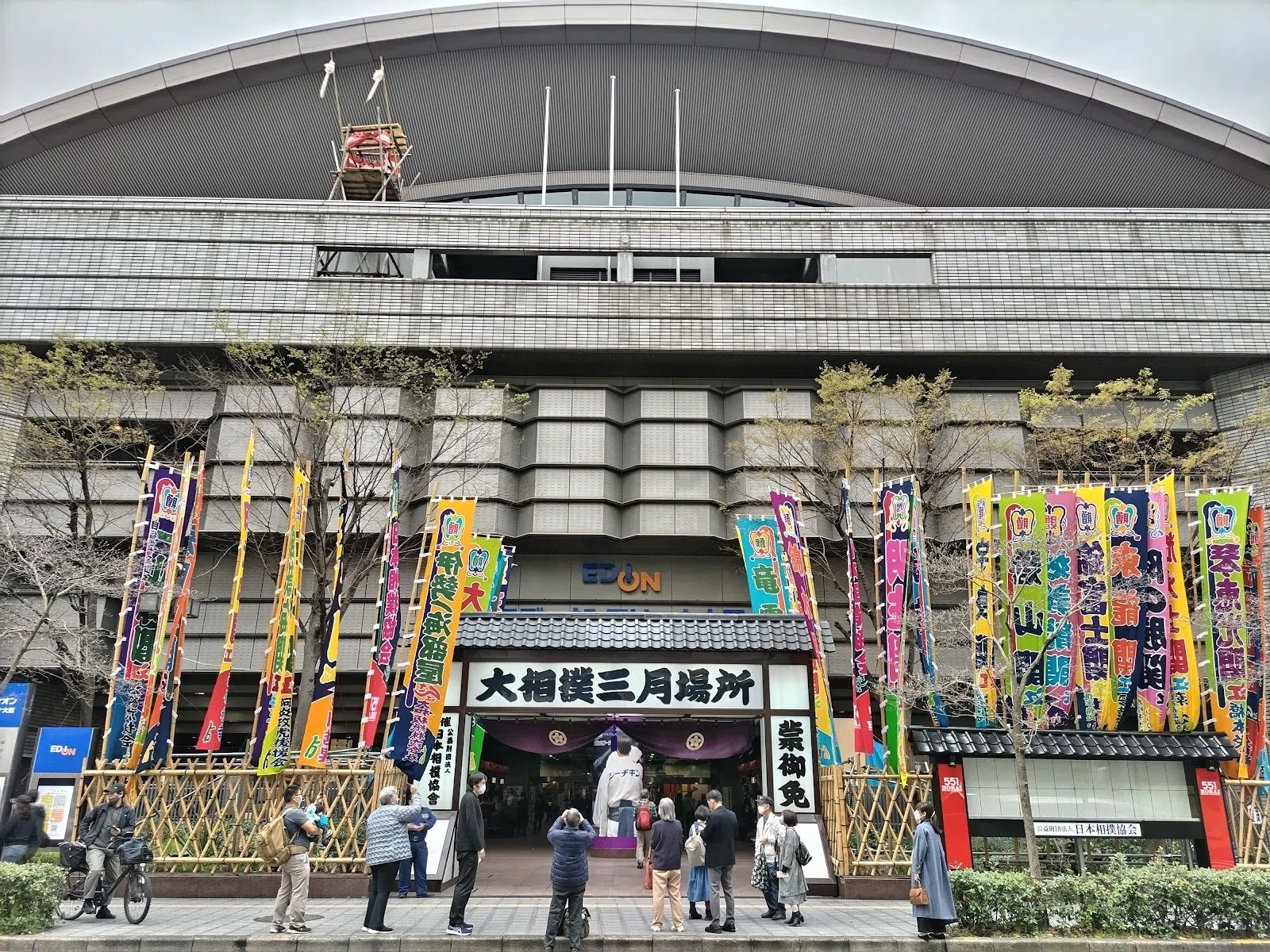
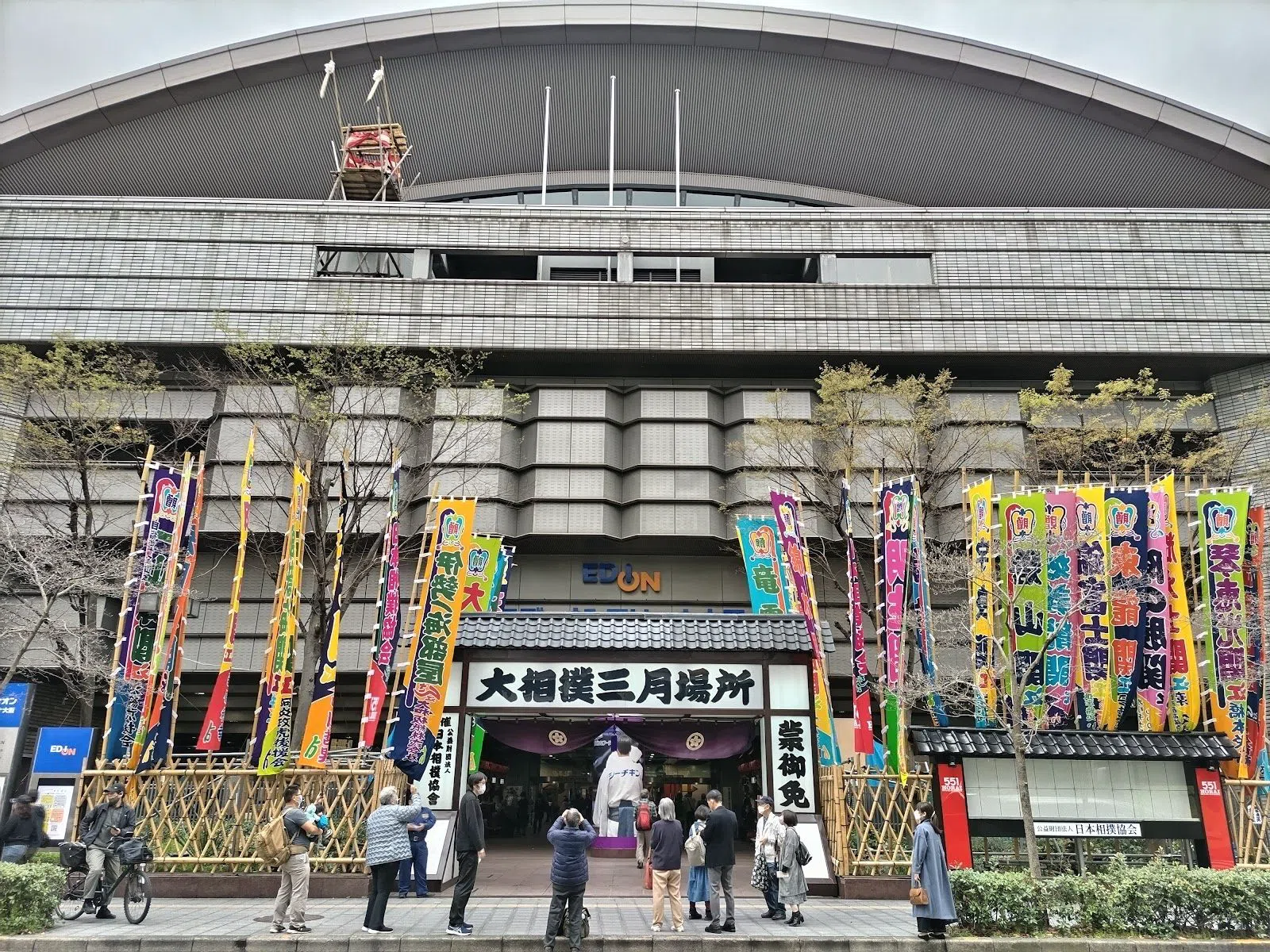
Everything else in this article orbits one fixed point. Each March, for roughly fifteen consecutive days, the EDION Arena Osaka (Namba/Naniwa) hosts the Grand Sumo Spring Tournament — the Haru Basho — one of only six honbasho held in Japan all year. This is sumo with nothing produced about it: the yobidashi's summoning chant, the gyoji referee in Heian-era silks, the salt flung to purify the clay dohyo, the long staring pause where two enormous men crouch, rise, crouch again, and refuse each other until the instant they don't. When the collision comes it is often over in seconds. That brevity is the point; the ritual is the ninety percent, the bout is the release.
Seating splits into two worlds. Arena chair seats up the sides start from around ¥3,800 and are the sane choice for a first-timer who wants the whole arc of a day. Floor box seats — the cushioned, shoeless squares closest to the ring, seating up to four — run to ¥15,000 and beyond per person and put you near enough to feel the impact. The catch is brutal and worth stating plainly: the fifteen-day tournament sells out within hours of tickets dropping in February. There is no casual walk-up in practice. Either you are poised at your screen the moment tickets release, or you go through a guided operator.
That second route is why Japan Wonder Travel — Osaka Grand Sumo Tournament Guided Experience (meets at Namba) exists, and for most overseas visitors it is the more realistic door. At roughly ¥18,000–¥25,000 per person the operator bundles a chair seat with an English-speaking guide who explains the ranks, the rituals and the rules before you go in — so the day reads as ceremony rather than confusion. It solves the ticket scramble in one move. It is also, by definition, March-only; think of it not as an alternative to the arena but as assisted access to it. If your dates touch that fortnight, decide early which of these two you're doing, because both evaporate fast.
Plan your Osaka trip
Live prices from our booking partners.
Free cancellation on many rooms. We may earn a commission when you book.
Behind the Curtain: Dawn at a Training Stable
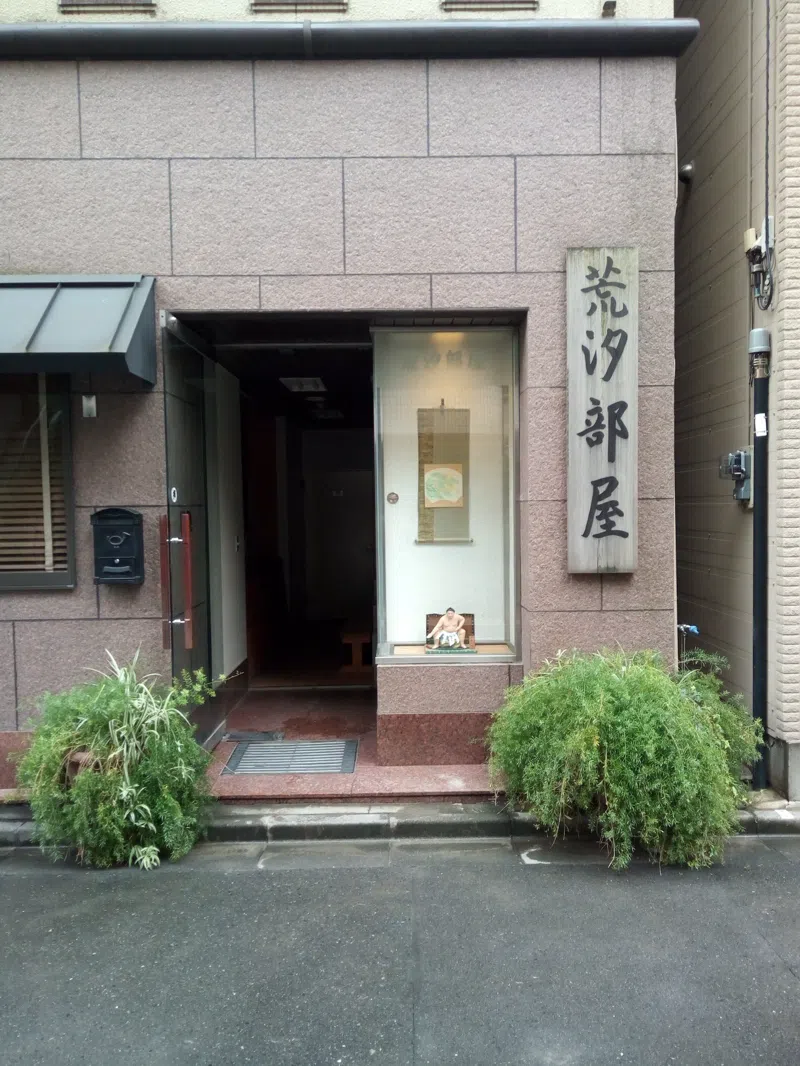
The tournament is the showdown. The stable is where the discipline that produces it lives, and it is the most quietly moving thing on this list. Yokozuna Sumo Stable Morning Practice in Osaka (Furuichi) is a small-group experience — usually capped somewhere around ten to fifteen people — that meets at Namba and trains out to a stable in the Furuichi area to watch asa-geiko, the morning practice, from about ¥12,000 to ¥18,000 per person. Booked through the big activity platforms, it is the least staged option you'll find: no narration, no photo op, just wrestlers grinding through repetitions in a cold room while you sit still against the wall.
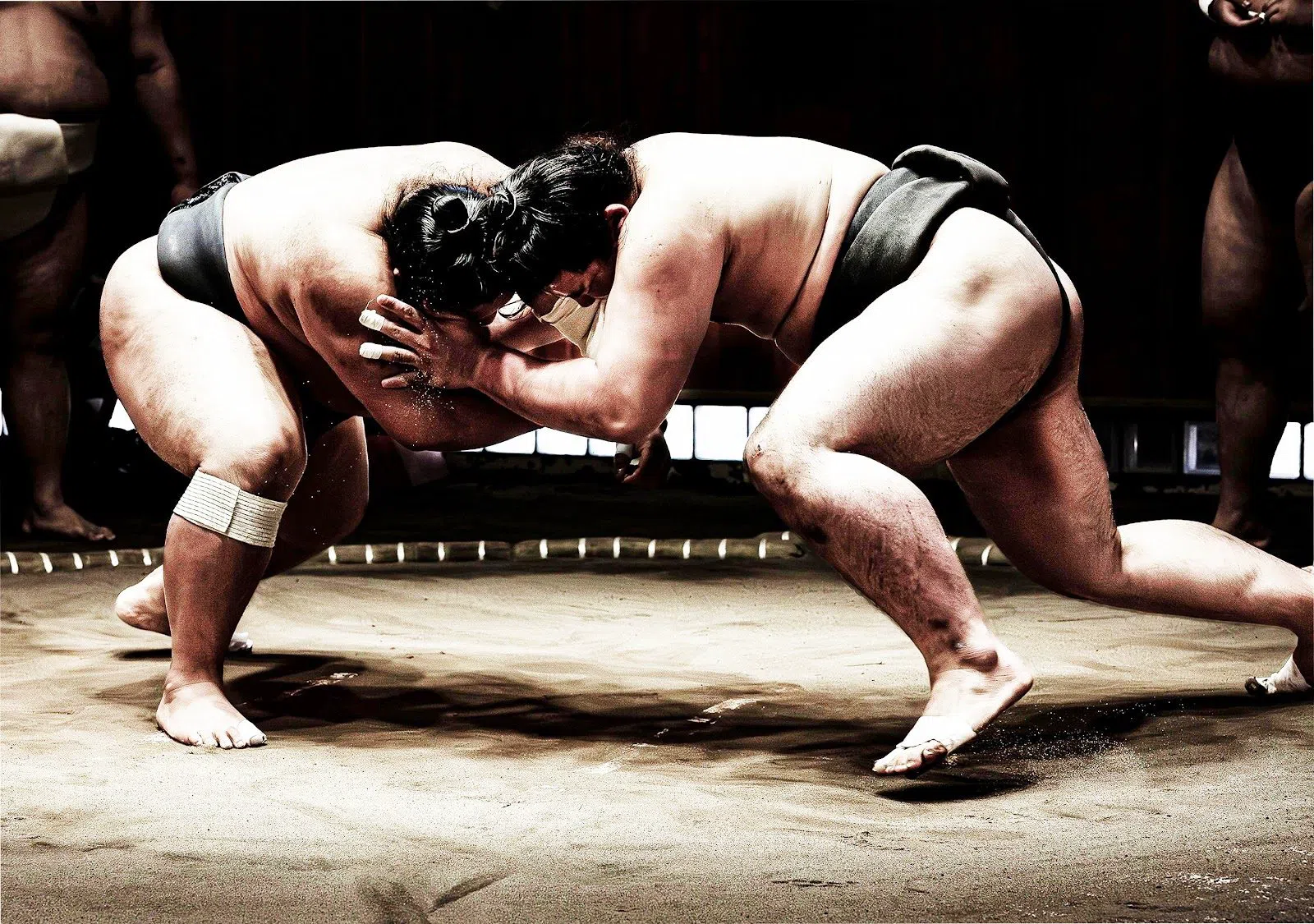
Be honest with yourself about the etiquette, because it is not decorative. You keep silent. You do not photograph wrestlers' faces. Availability is tied to real training periods and each stable's own schedule, so it cannot be summoned on demand — you fit yourself around their calendar, not the other way round. This suits the curious solo traveller or a quiet couple far better than a lively group; if your party can't sit in respectful silence for an hour, choose a show instead. For those who can, it's the closest a visitor gets to sumo as a life rather than a spectacle.
Year-Round Shows for the International Visitor
Most people don't land in Osaka in March, and that's fine — a small industry of well-run, English-friendly shows keeps the ring open all year. These are produced experiences, and the good ones are candid about that. What they trade in authenticity of competition they give back in access, explanation and the chance to actually step onto the clay yourself.
The slickest year-round entry point is THE SUMO HALL HIRAKUZA OSAKA (Namba). It runs two shows most days, closes Tuesdays, narrates in English, and folds in a photo session and a chance to challenge a wrestler; prices run from about ¥8,000 for the show with a snack up to around ¥12,000 with a bento or a bowl of chanko-nabe. It is very group-friendly — tour parties and school groups fill it happily — which is both its strength and its ceiling: it is bilingual and built for an international audience, but it is a show, not a bout. Go in wanting theatre and an education, not sport, and it delivers.
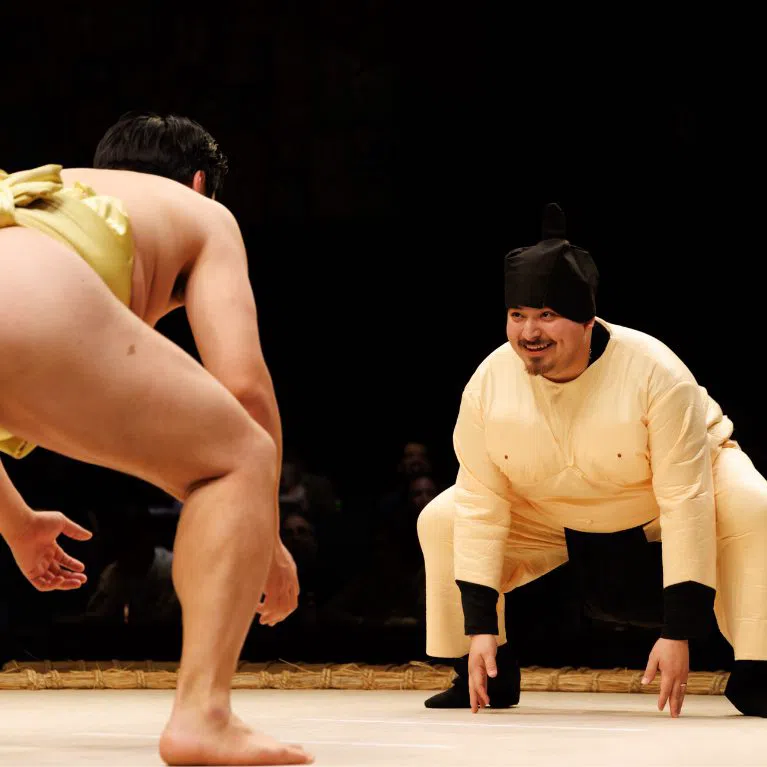
For something more hands-on, Sumo Studio Osaka (central Osaka) runs a ninety-minute programme entirely in English with several sessions a day and ring time built in — you don't just watch, you try the stances and the moves. At roughly ¥8,000-plus per person (confirm current pricing when you book), it's a strong pick for an international readership that wants to feel the sport in their own legs. It's smaller and newer than Hirakuza, which is exactly its appeal for anyone who dislikes being one of two hundred in a hall.
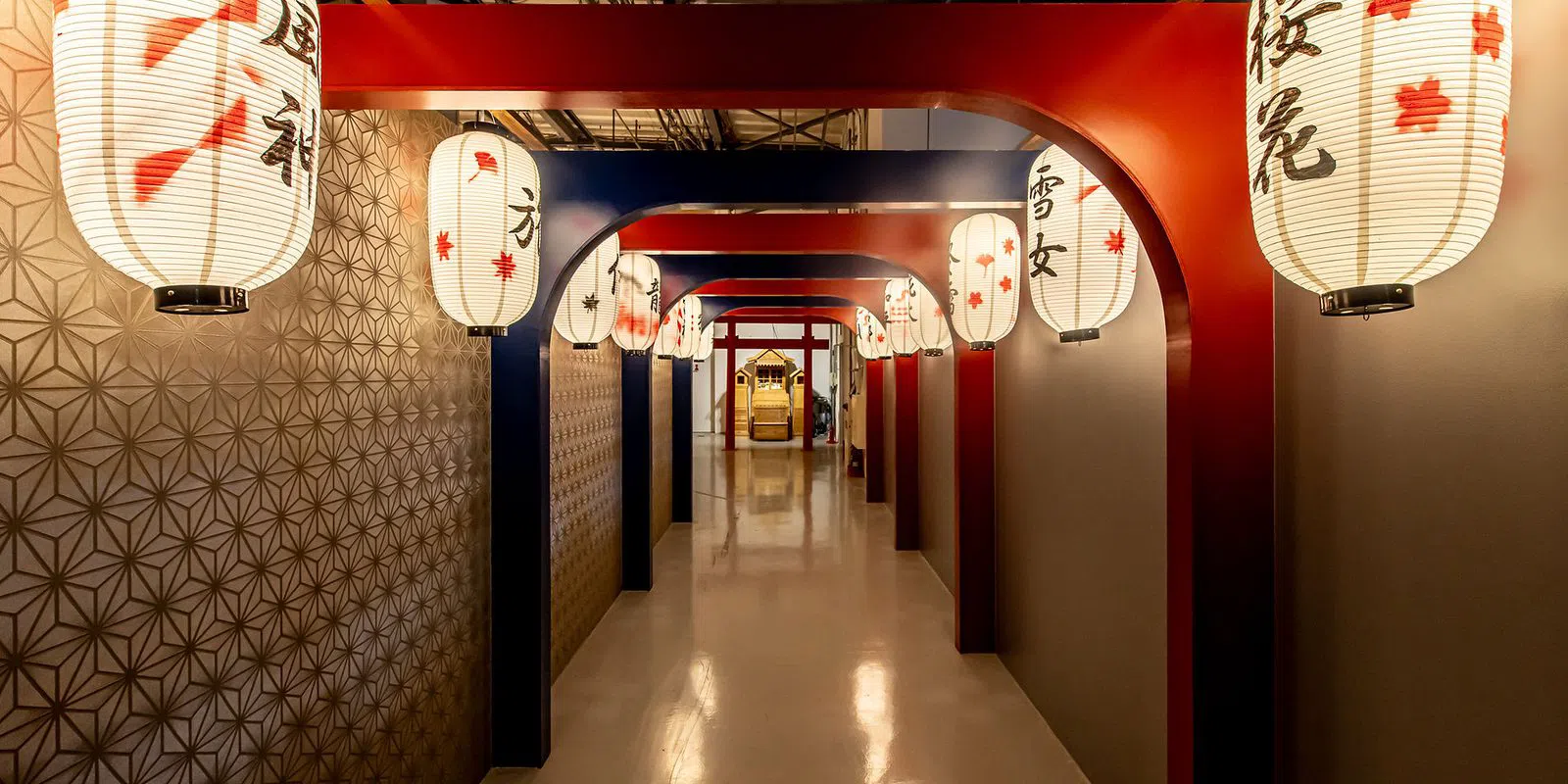
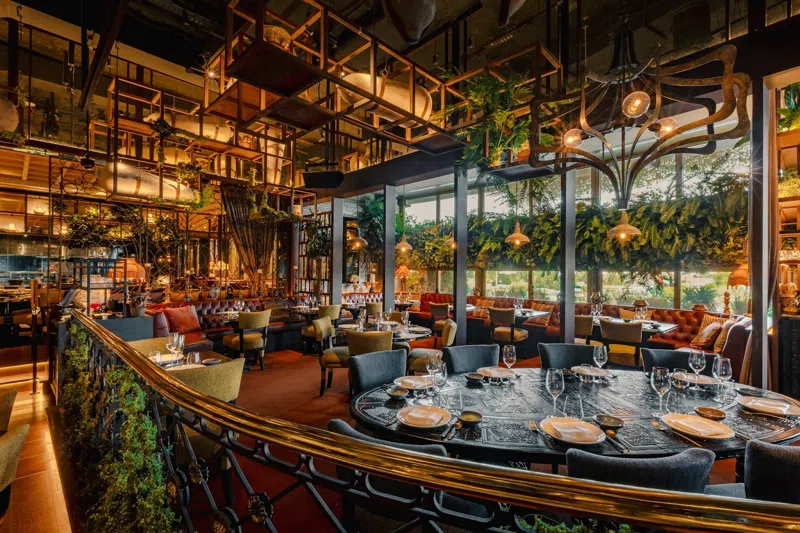
The third option puts a plate in front of you. Sumo Restaurant Ochiizumibeya (Rinku Town, near Kansai Airport) — the OCHI IZUMI dinner-show carrying the KONISHIKI name — runs two shows daily Friday to Sunday, invites the audience into the ring (by lottery when it's oversubscribed), and offers an all-you-can-eat chanko option. Packages span ¥9,000 to ¥18,500-plus depending on whether you take the show alone or show-plus-chanko. Its location out by the airport is the strategic hook: it doubles neatly as a first-night arrival treat or a last-day send-off before a flight, and the all-you-can-eat hot pot makes it the biggest crowd-pleaser of the dinner-shows. Groups love it; solo diners may find it more banquet than intimate.
From Ring to Table: The Chanko-nabe Houses
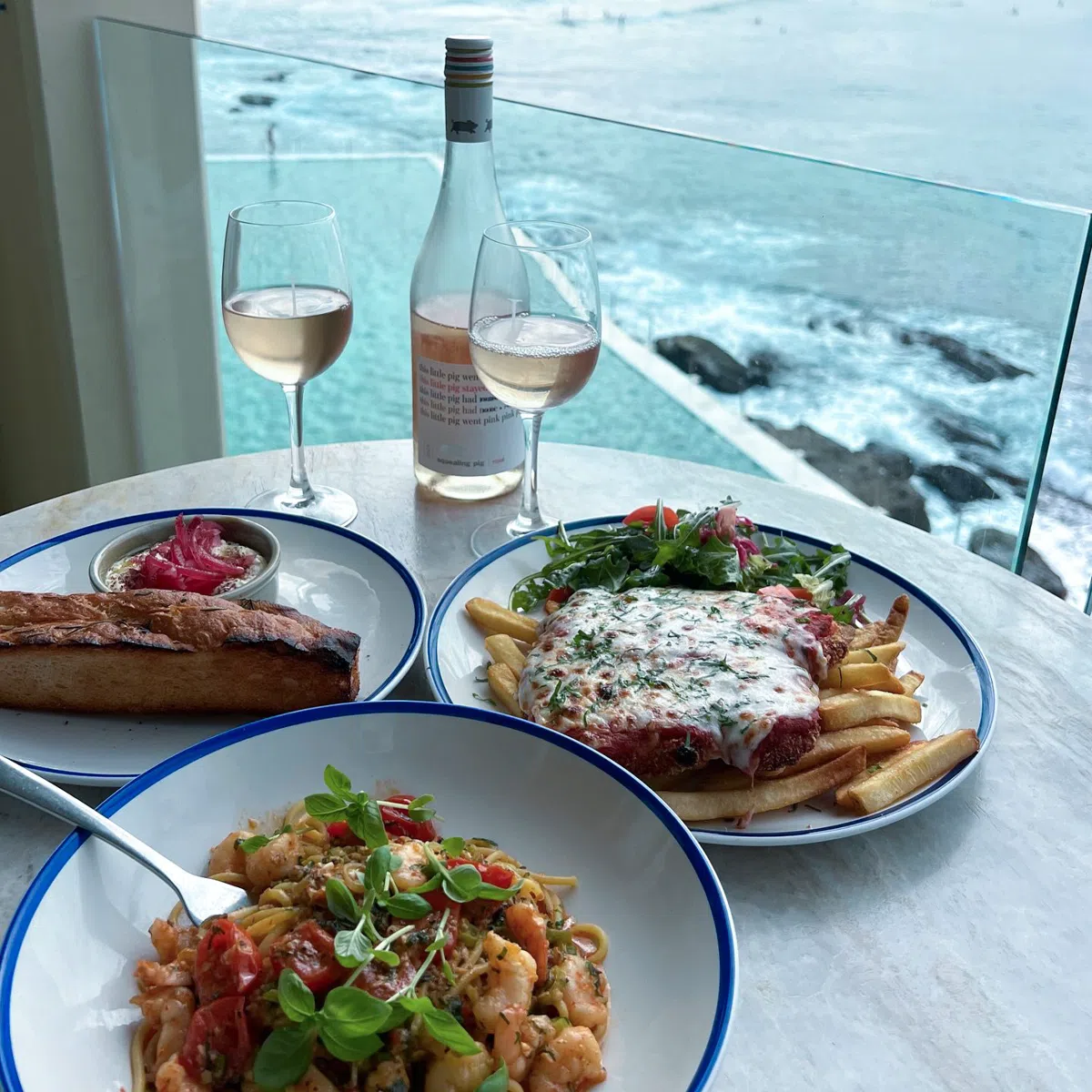
Chanko-nabe is what wrestlers actually eat — a communal iron pot of broth, vegetables, tofu and protein, ladled in wrestlers'-portion volumes to build the frame the sport demands. Eating it is the natural close to a sumo day, and Osaka has a genuine spread of houses, from stable-recipe pedigree to unpolished neighbourhood value. Here is how to choose.
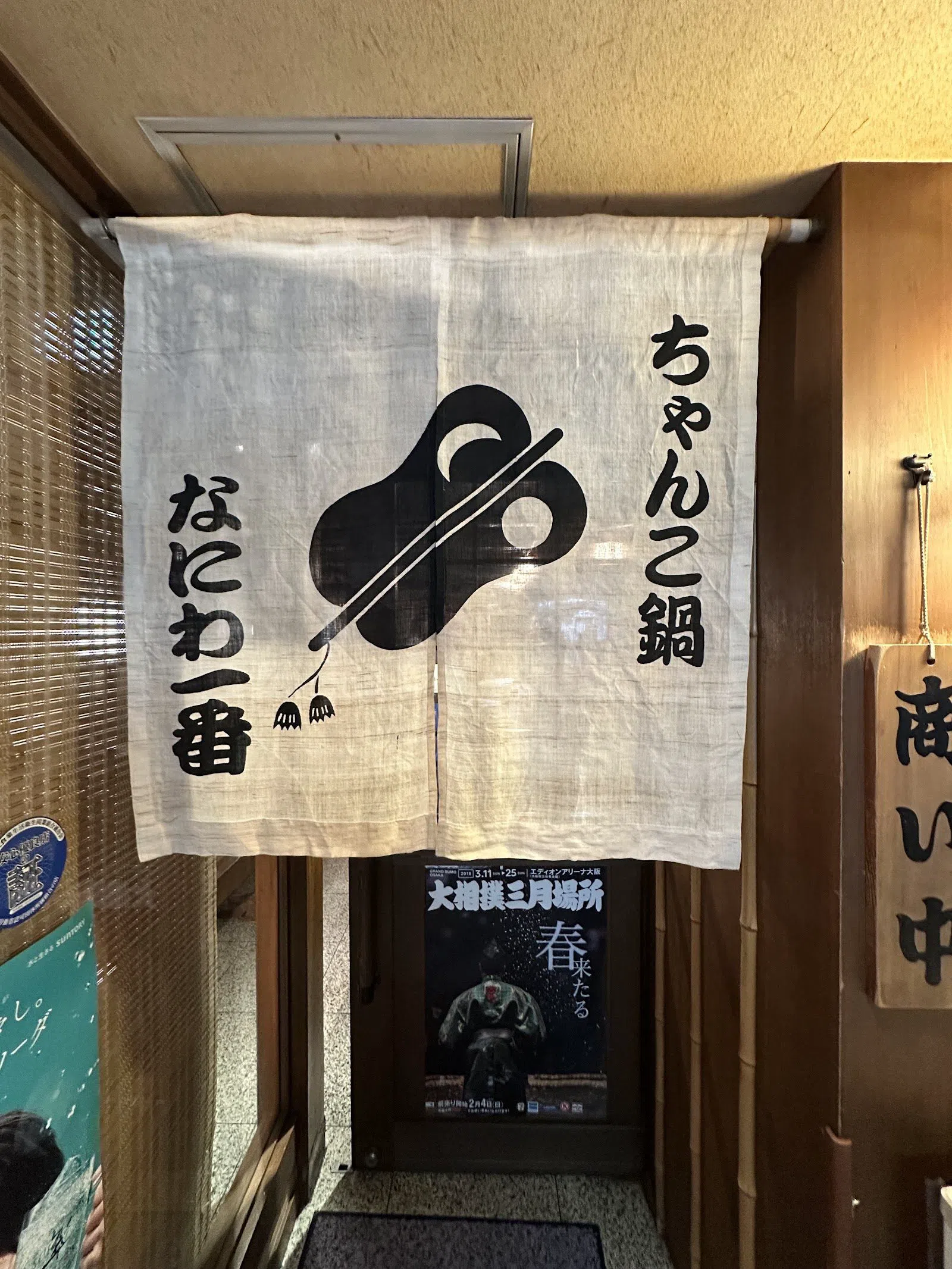
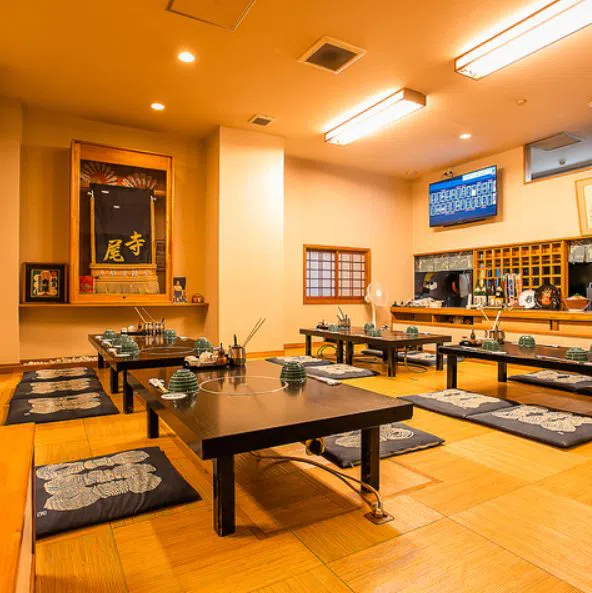
For atmosphere, start with Chanko-nabe Naniwa Ichiban (Namba). The walls, papered with signatures and memorabilia, prove the wrestlers'-hangout claim, and it's excellent for groups: private tatami rooms seat from four up to thirty-four, with buy-outs for parties of twenty to fifty, and it stays open year-round including New Year. At around ¥5,000–¥8,000 per person it's the best straight chanko dinner in central Namba to bolt onto a tournament or a show.
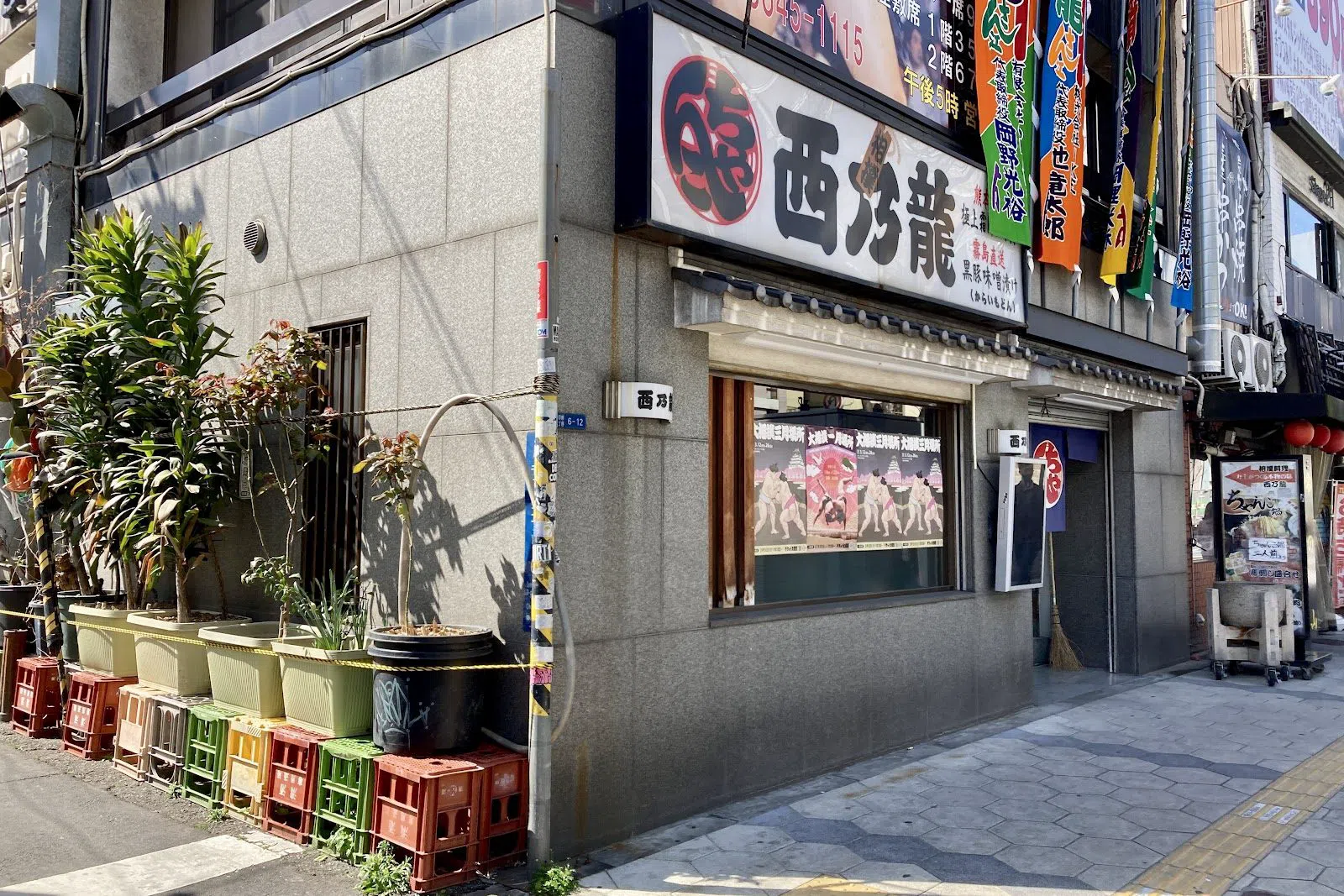
For a bolder plate, Chanko Nishinoryu (between Namba and Nippombashi) is ex-wrestler-run and leans into a distinctive garlic-forward broth that sets it apart from the milder Namba houses — a good pick if you want your hot pot to have an accent. It takes groups; reservations are advised, and while phone booking is limited, you can book online. Expect roughly ¥4,000–¥6,000 per person.
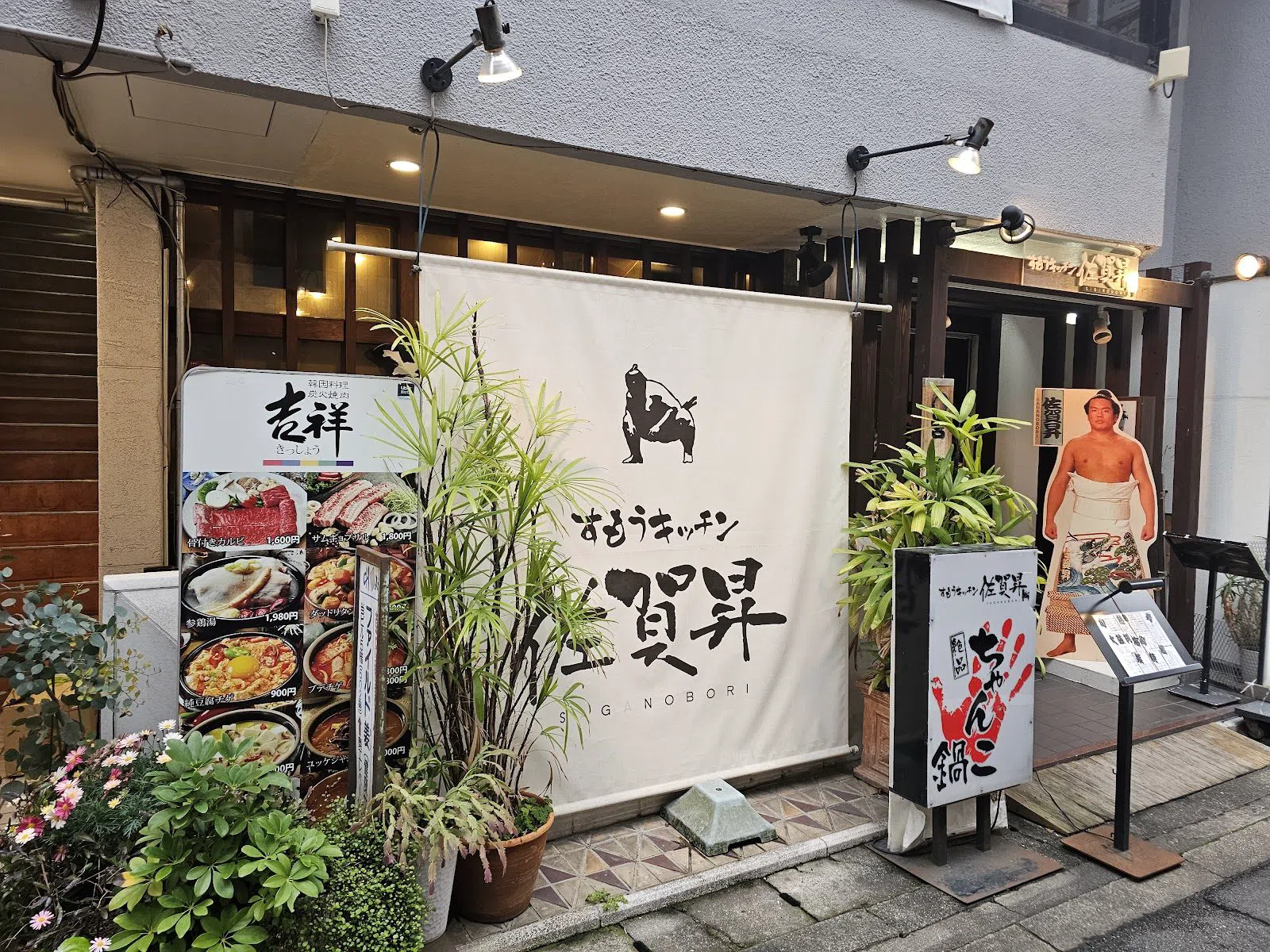
If you're staying on the Kita side, Sumo Chaya Terao Osaka (Kita/Umeda) earns its place on provenance: the recipe comes from an actual stable, Izutsu-beya, rather than a generic hot-pot template, which gives the whole ritual-to-table arc a credible Umeda-side ending. Its central location suits larger parties, at about ¥4,000–¥7,000 per person. In the same modern-minded vein, Sosaku Chanko Masukaze (Shin-Osaka) offers a contemporary riff on chanko for those who want the tradition with a twist; it seats forty with a full buy-out available (but no separate private rooms), runs about ¥5,000–¥6,000 per person, and is handy for anyone based near Shin-Osaka Station and the bullet trains.
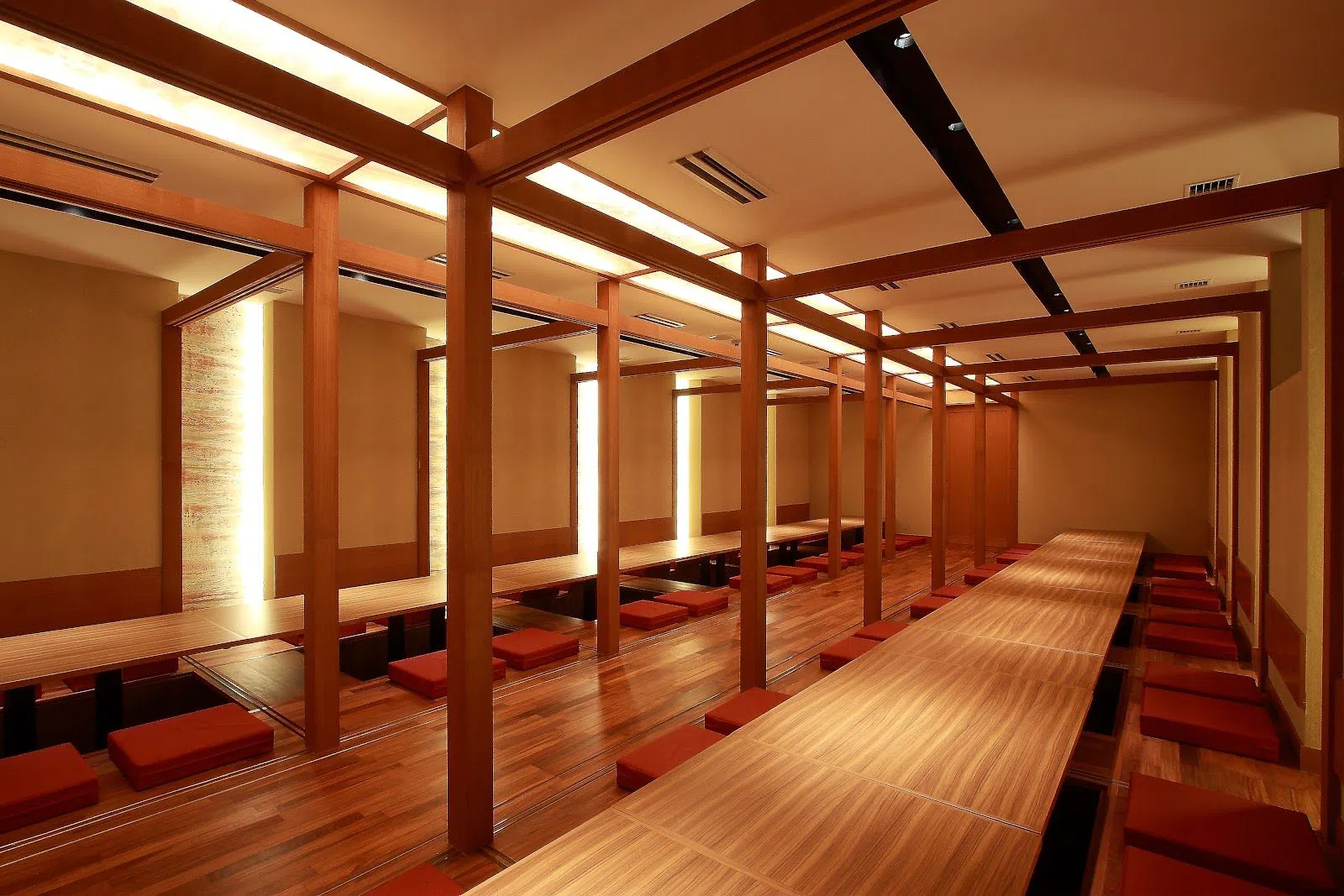
For value and scale, Sumibiyaki to Naberyori Tachibana (Abeno/Tennoji) is the most group-scalable name here, with private rooms for four rising to parties of fifty-two and a locally-famous Tennoji recipe. At roughly ¥3,000–¥5,000 per person it's the best-value chanko on this list, and because it pairs the sumo hot pot with charcoal-grilled yakitori it keeps fussier tables happy — the pragmatic choice for a mixed group. And for the least touristy experience, Sumo Ryouri Jinryu (Kyobashi) sits away from the visitor core with generous, economical wrestlers'-portions at around ¥4,000–¥6,000 per person; it's unpolished and local, for readers who want the volume without the show-restaurant markup.
A note on suitability: the tatami-room houses (Naniwa Ichiban, Tachibana) are made for groups; the smaller, characterful rooms at Nishinoryu or Jinryu suit couples and pairs who'd rather not eat in a function room. Book ahead everywhere — chanko is a reservation cuisine, not a walk-in one.
Planning Your Sumo Days
Timing. If sumo is the reason you're coming, the calendar is non-negotiable: the Haru Basho runs roughly fifteen days each March and nothing else replicates it. Outside March, lean on the year-round shows and the chanko houses. Watch tickets drop in February and act within the hour, or book a guided operator well in advance.
Getting around. Almost everything here clusters around Namba, with Umeda/Kita, Shin-Osaka, Tennoji/Abeno and Kyobashi each holding a venue or two, plus Ochiizumibeya out at Rinku Town by Kansai Airport. The subway and JR Loop Line connect all of them cheaply and reliably; buy an IC card on arrival and tap through. Allow around 45–60 minutes out to Rinku Town, which is why it works best as an arrival or departure evening.
Cash. Carry some yen. The arena's smaller sellers, a few older chanko houses and vending along the way can still be cash-first, even as cards spread. An IC card covers transport and many quick buys.
Budget, roughly. A year-round show sits around ¥8,000–¥12,000; a chanko dinner ¥3,000–¥8,000 depending on the house; morning practice ¥12,000–¥18,000; a tournament chair seat from ¥3,800, or ¥18,000–¥25,000 with a guide. A satisfying two-day plan — one show or practice, two chanko dinners — lands comfortably under ¥30,000 per person before your room.
Where to stay. Base yourself in Namba for the shortest walks to the arena and the best chanko houses, or Umeda if you prefer the Kita side; compare rates and locations with an Osaka hotel search before you lock dates around March, when the whole city books up.
Sumo rewards patience. Give it a morning of silence in a training room, an afternoon of drums and salt, and an evening over a shared pot, and you'll understand why the ring is called sacred — and why, in Osaka, the showdown is only ever half the story.
Before you go
When is the sumo tournament in Osaka in 2026, and how hard is it to get tickets?
The Grand Sumo Spring Tournament (Haru Basho) runs for about 15 days each March at EDION Arena Osaka. Tickets released in February sell out within hours, so either book the instant they drop or go through a guided operator like the Japan Wonder Travel experience, which bundles a chair seat with an English guide.
What can I do if I'm not in Osaka in March?
Plenty. Year-round English-language shows run most days — THE SUMO HALL HIRAKUZA OSAKA in Namba, the hands-on Sumo Studio Osaka, and the KONISHIKI-name dinner-show Ochiizumibeya out at Rinku Town. Morning practice at the Yokozuna stable in Furuichi is also seasonal but tied to training schedules rather than March alone.
How much does a sumo experience in Osaka cost?
A year-round show runs roughly ¥8,000–¥12,000; morning practice ¥12,000–¥18,000; a tournament chair seat from ¥3,800 (or ¥18,000–¥25,000 with a guide); and a chanko-nabe dinner ¥3,000–¥8,000 per person depending on the house and package.
What is chanko-nabe and where should I eat it in Osaka?
Chanko-nabe is the communal hot pot wrestlers eat to build size. For atmosphere and groups try Chanko-nabe Naniwa Ichiban in Namba; for value, Sumibiyaki to Naberyori Tachibana in Abeno; for stable pedigree, Sumo Chaya Terao near Umeda; and for a bold garlic broth, Chanko Nishinoryu.
Can I take photos and interact with the wrestlers?
It depends. Produced shows like Hirakuza, Sumo Studio and Ochiizumibeya include photo sessions, ring time and chances to challenge a wrestler. Real training at the Yokozuna stable is strict: silence is required and you must not photograph wrestlers' faces.