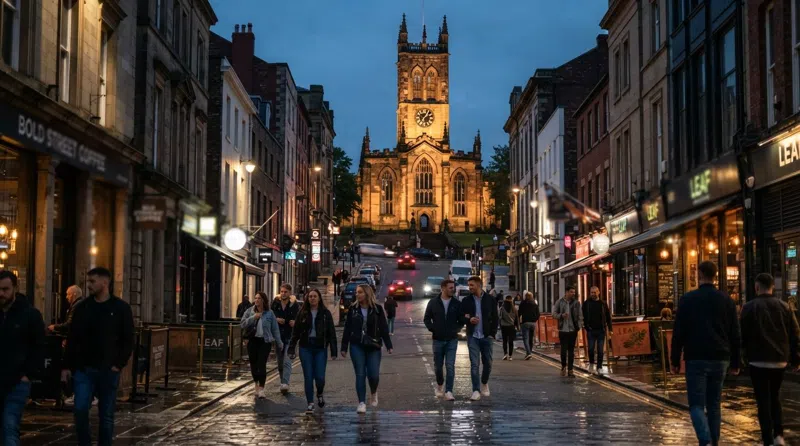

At dusk in Dotonbori, the canal-front glow of neon squid and crab signs gives way to something quieter but more persistent: the click-click-click of toothpicks against copper griddles, turning batter-and-octopus balls a quarter-turn at a time until every one is a perfect sphere. Osaka calls itself the nation's kitchen, and takoyaki — the octopus-studded, dashi-laced batter balls sold from stalls, arcades, and family kitchens across the city — is the dish that proves it. This isn't a snack invented for tourists; it's a working-class Depression-era food from 1935 that never stopped being eaten daily, and in 2026 it remains the clearest single thread connecting Osaka's street-food identity from Tamade to Tenjinbashi.
Where It Started: Tamade
Takoyaki wasn't born in Dotonbori — it was born in Tamade, a quiet residential stretch south of the canal-front crowds, in 1935, when a street vendor named Endo Tomekichi first battered octopus into a ball cooked on a cast-iron plate.
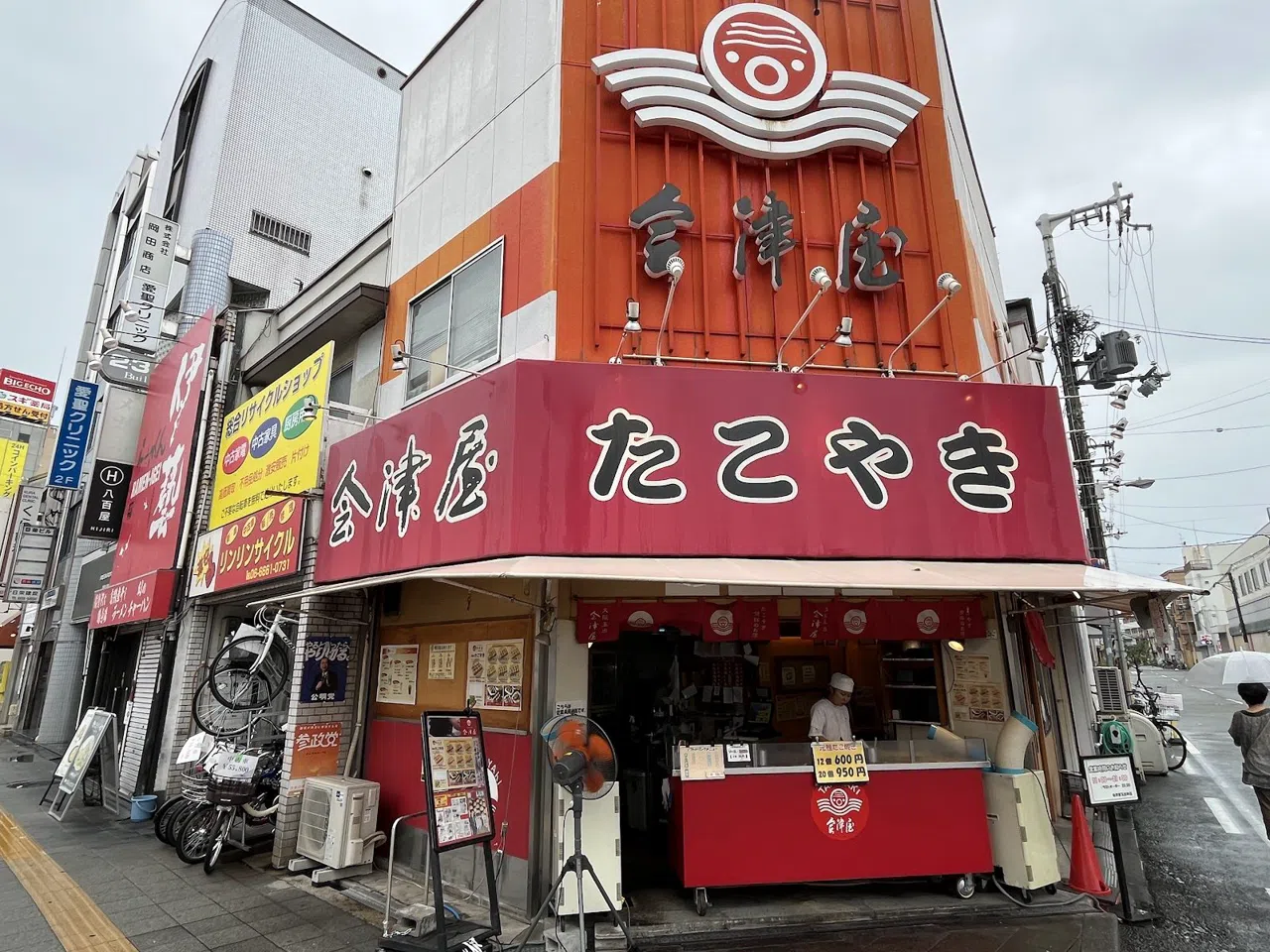
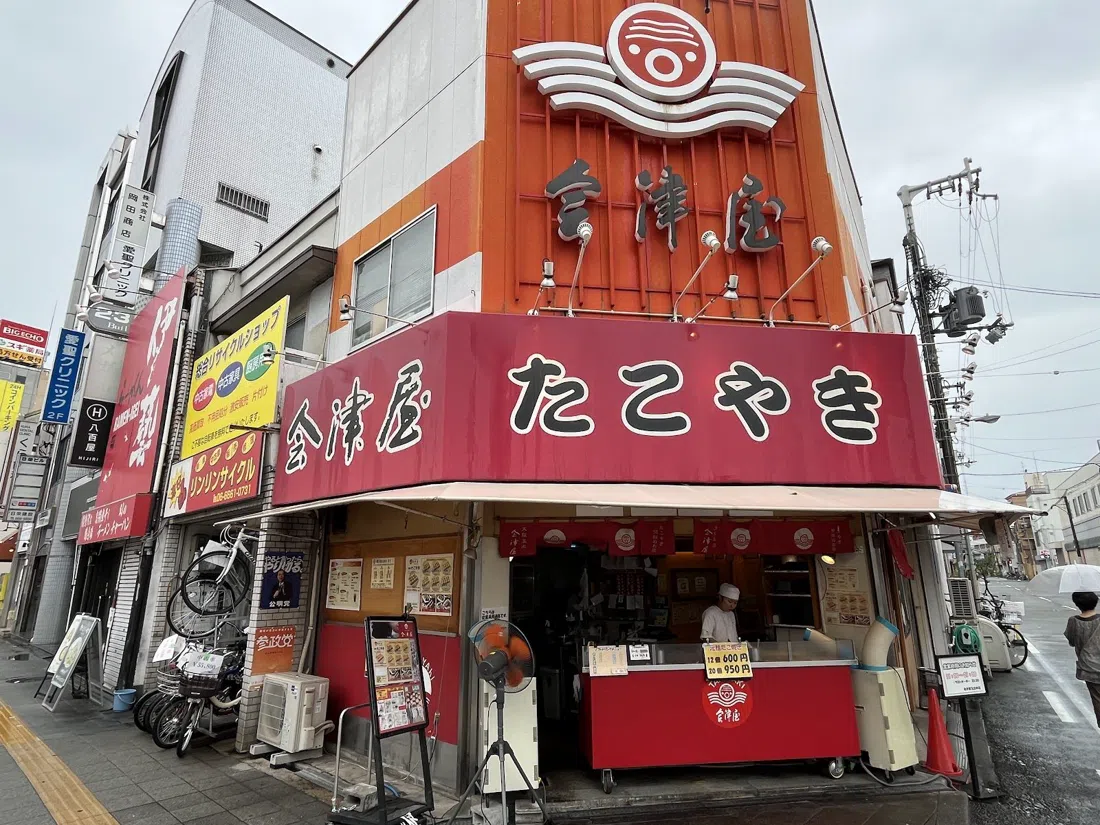
Aizuya (Tamade Honten) is that original shop, still on the same patch of Tamade, and it has resisted almost every trend the dish has picked up in the ninety years since. There's a counter and a handful of stools — fine for two or three people, not built for anyone arriving as a group — and the balls come sauce-free, exactly as Tomekichi served them, so what you taste is the batter and the dashi and the octopus, nothing else. A tray of 8-10 pieces runs ¥500-700. This is the pilgrimage stop, not the convenient one: go early in a visit, before the sauce-heavy versions elsewhere reset your palate, so you can taste what the other ninety years have been reacting to.
The Baseline Everyone Is Measured Against: Sennichimae
If Aizuya is the ancestor, Takoyaki Doraku Wanaka (Sennichimae Honten), a few minutes from Dotonbori in Sennichimae, is the shop locals actually use as their yardstick. It began life as a sweet shop before switching to takoyaki in the 1950s, and the style it settled on — heavy dashi, generously sized octopus, a soft interior — is what most Osakans mean when they say "normal" takoyaki. It's a walk-up counter with a few stand-up spots rather than a dining room; groups can order together at the window, but nobody is getting a table. Expect ¥500-800 for 8 pieces, and expect to eat standing, which is normal here, not a compromise.
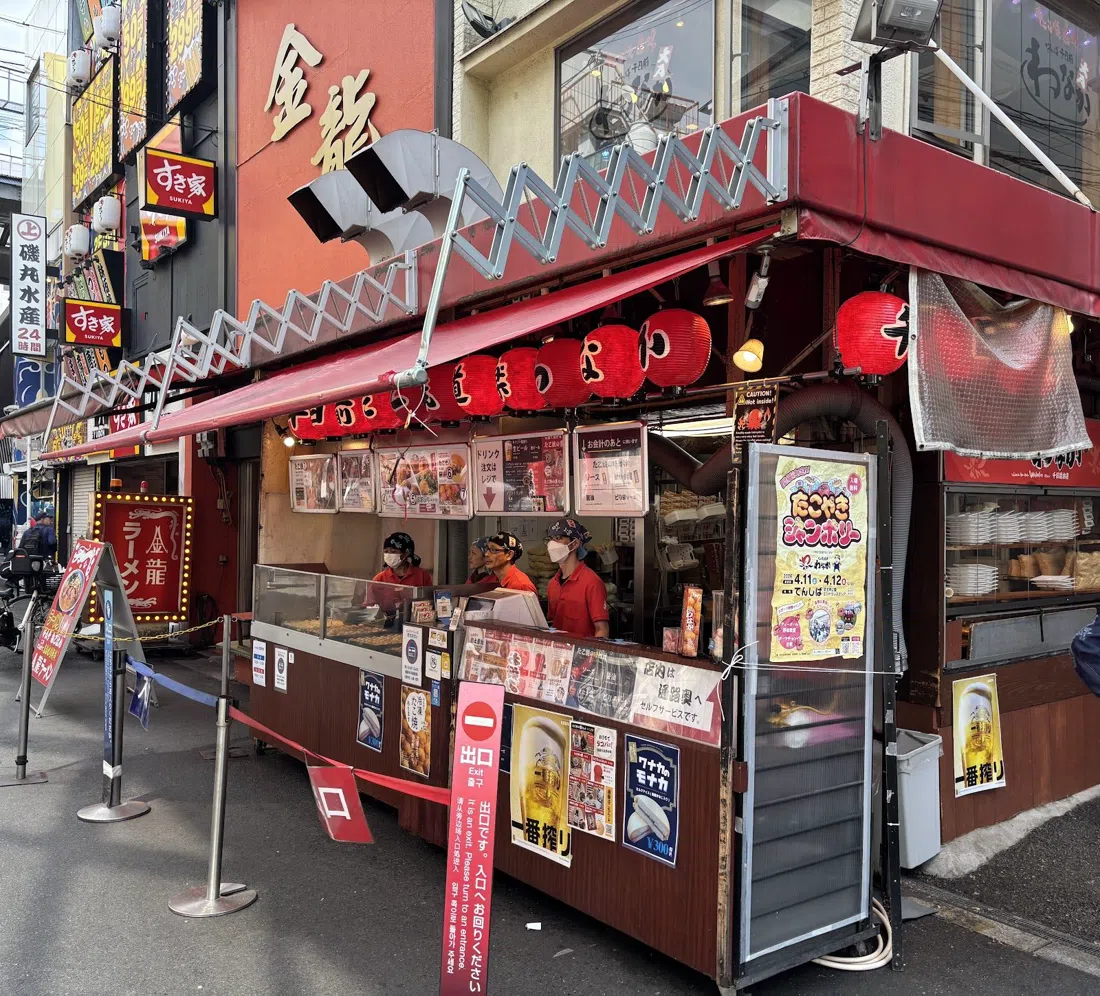
Dotonbori's Big, Group-Friendly Names
Dotonbori itself is where takoyaki turned from neighbourhood food into a tourist-facing spectacle, and the two shops that dominate its canal-front strip both happen to be the easiest ones to bring a group to.
Takoya Dotonbori Kukuru (Dotonbori Honten) is the multi-floor landmark stop, with seating upstairs that comfortably takes a group — genuinely useful on a strip where most competitors are counter-only. Its signature is a crispy shell around a deliberately gooey, almost molten centre, with octopus pieces cut oversized enough to poke visibly out of the batter — easy to spot on a menu board, easy to photograph, and a fair test of whether you like your takoyaki looser inside than the Sennichimae baseline. A tray of 8 runs ¥500-850.
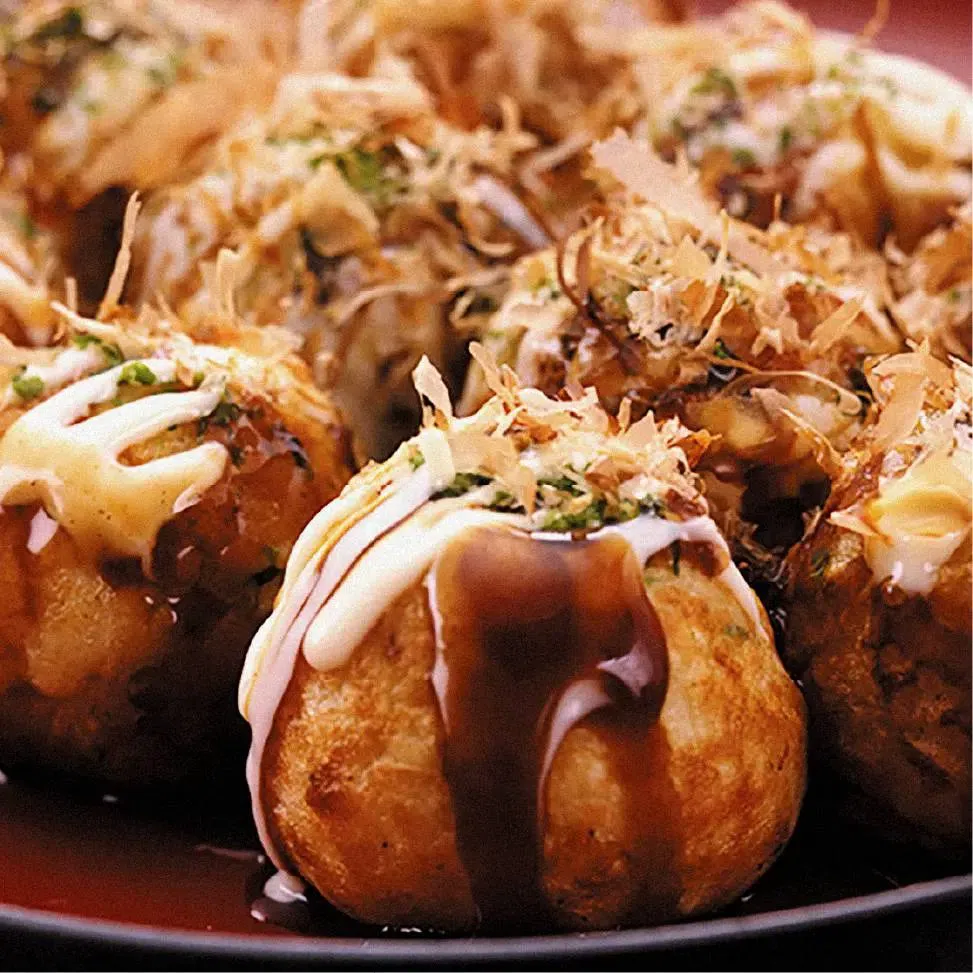
A short walk away, Takoyaki Juhachiban (Dotonbori / Sons-Dohtonbori Ten) solves the other Dotonbori problem — queue length — with ticket-kiosk ordering that keeps lines moving fast, which matters if you're shepherding a group who don't want to stand around. It was built, deliberately, as a shop "girls could casually visit," and its batter is enriched with milk alongside the usual dashi, giving both a faint sweetness and a shell that shatters more than most rivals'. Trays of 8 run ¥450-750, the cheapest baseline on this list.
The Michelin Circuit: Worth Detouring For
Bib Gourmand recognition has gone to a handful of Osaka's takoyaki-ya, and the honourees skew toward small, single-focus operations rather than big Dotonbori footfall shops — which means most suit couples and pairs better than parties. None of these five shops are on the main canal-front strip, which is itself a small tell: the Michelin inspectors, like most Osakans with a strong opinion on takoyaki, went looking away from the tourist centre of gravity, out to Americamura, Abeno, Umeda, and the Tenjinbashisuji arcade, rather than rewarding whatever happened to be busiest in Dotonbori that week.
Kougaryu (Americamura Honten), in the Americamura district a short walk from Dotonbori, has picked up three consecutive years of Michelin Bib Gourmand recognition and is credited with inventing the "mayo web" drizzle now copied across the city's stalls. It's a small stall with minimal seating — better for two people than a table of six — and a tray of 10 runs ¥600-750.
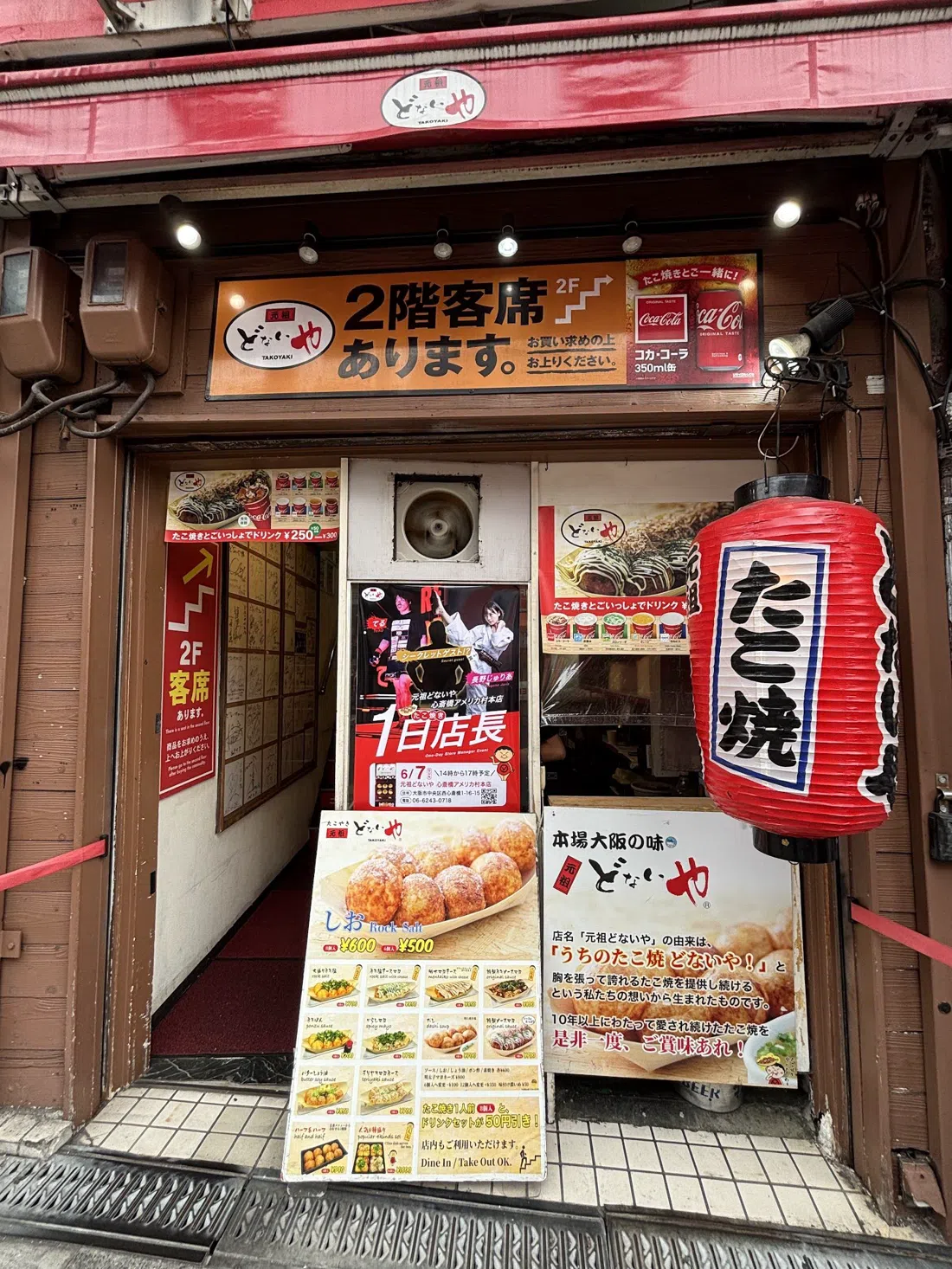
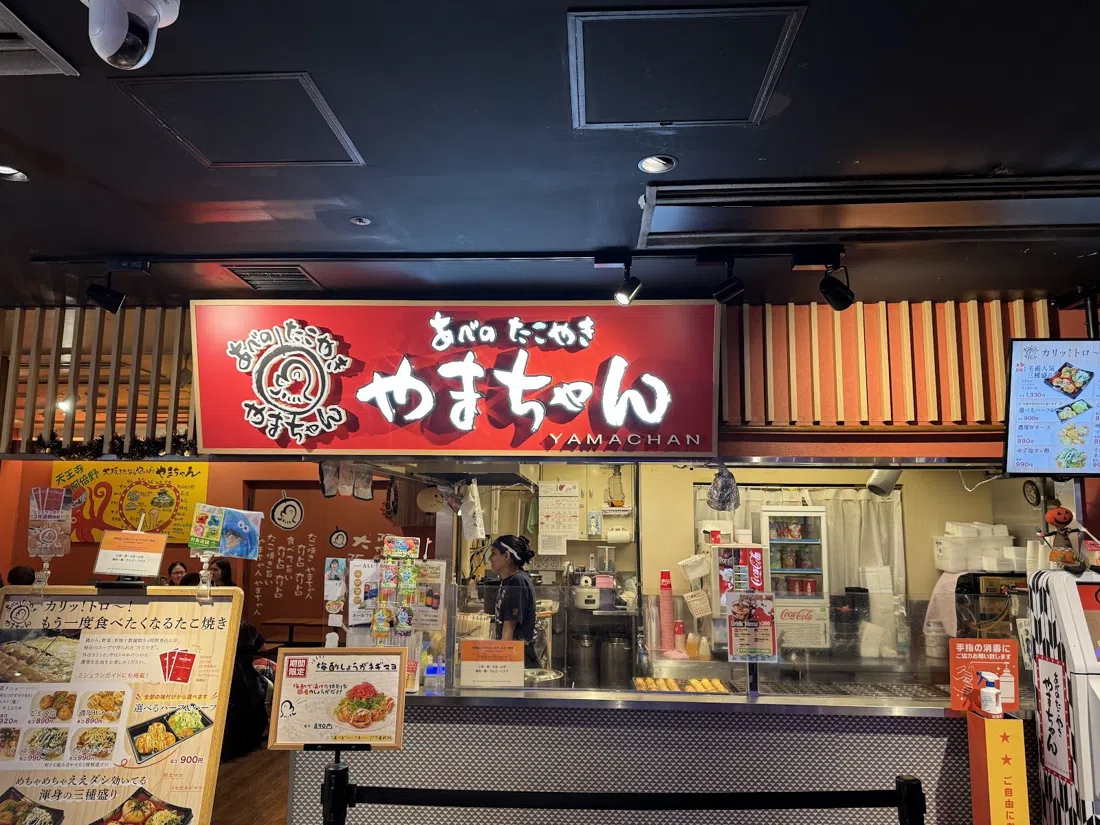
Further out in Abeno, south of the main tourist circuit, Abeno Takoyaki Yamachan (Abeno Honten) is the quieter, genuinely local pick: a counter and a few tables that welcome small groups without Dotonbori's crowds. It's a three-time Bib Gourmand honouree, built on a batter into which more than ten vegetables and fruits are blended — a less obvious flavour base than the dashi-forward mainstream. Expect ¥500-700 for 8 pieces.
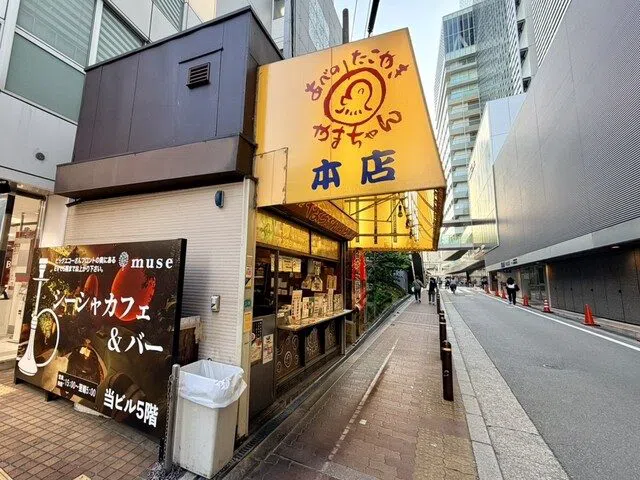
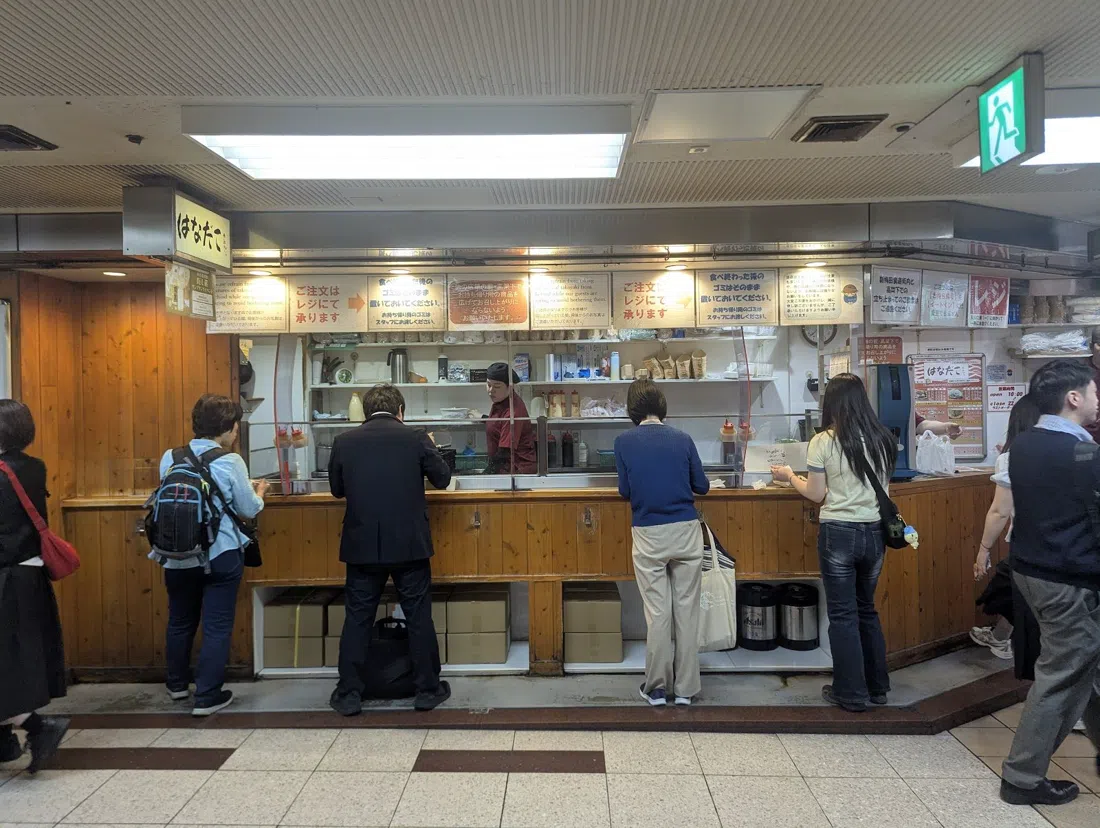
Right by JR Osaka Station, Hanadako (Shin-Umeda Shokudogai) is a one-minute detour for anyone changing trains, and it's permanently queued for a reason: Bib Gourmand recognition, octopus-leg meat only, and a custom copper griddle. The alley has shared bench seating nearby, workable for a small group but tight for a large one, and a tray of 8 is ¥500-800 — a genuinely good use of a 20-minute station stopover rather than a destination in itself.
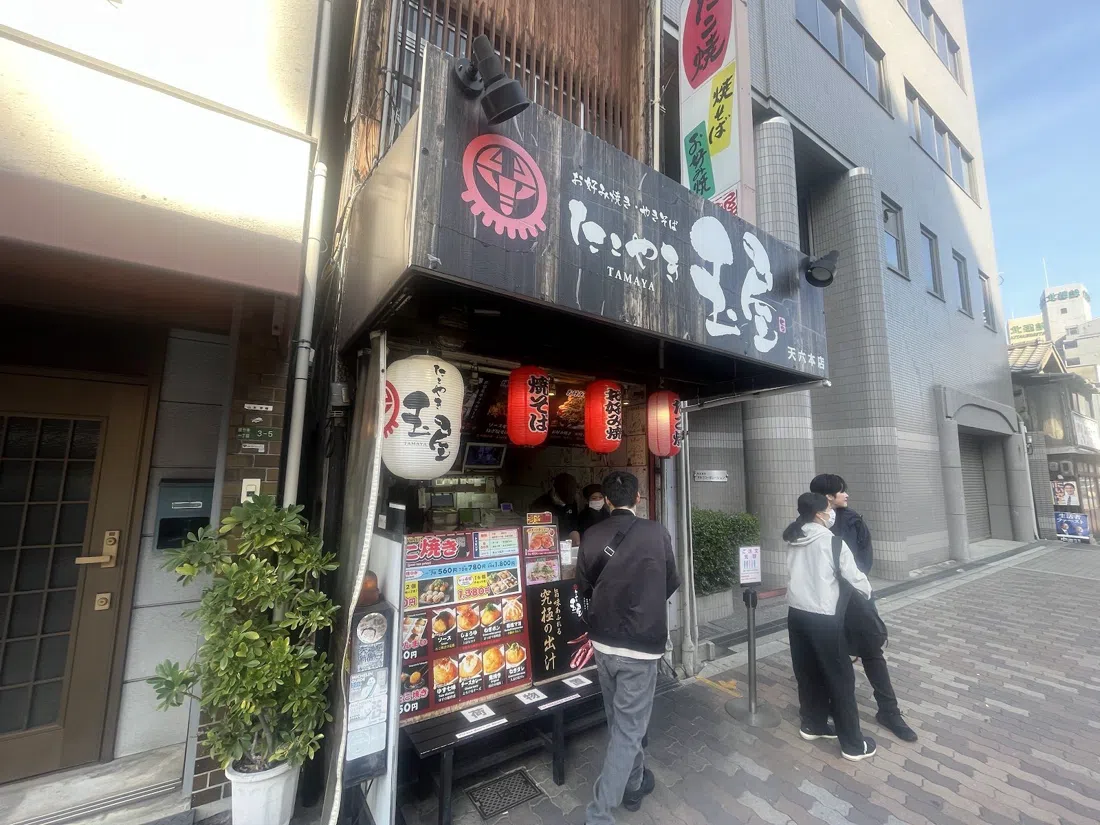
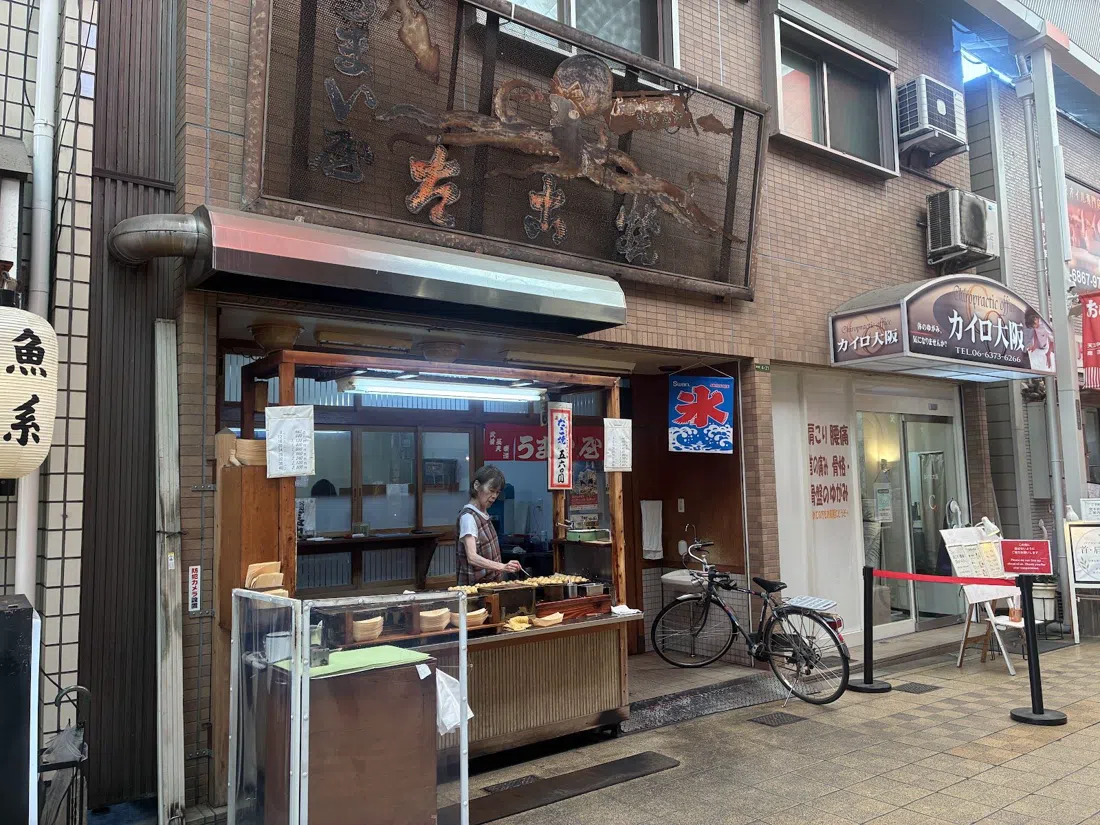
Up on Tenjinbashisuji — Japan's longest shopping arcade, running through the city's northern residential neighbourhoods — two shops reward the walk. Umaiya (Tenjinbashisuji) is a 70-year-old, no-sauce-style counter that appeared in Netflix's Street Food: Asia; it's takeaway-only, no seating, best worked through a couple of people at a time, and the correct order here is plain, without sauce, which is exactly how it earned its Bib Gourmand. Trays run ¥400-650 for 8-12 pieces. A short walk from Umaiya, Takoyaki Tamaya (Tenjinbashi) is the outlier on this entire list: a French-trained chef folds a lobster-and-bone stock into the batter, turning takoyaki into something closer to haute cuisine. It's a very small, order-and-go operation, not built for group dining, and at ¥700-1,000 for 8 pieces it's the most expensive tray in the city — worth the detour for a food-curious reader, not for anyone chasing the cheapest snack.
For Groups: One Roof, Six Shops
Every shop above has a door-policy asterisk attached — counter-only, no seating, small-group-only — because that's genuinely how most of Osaka's best takoyaki is sold: as a fast, standing, individual transaction, not a restaurant meal. The one deliberate exception is TAKOPA (Takoyaki Park), inside Universal CityWalk Osaka near Universal Studios. Entry is free, it's walk-in, and the shared seating is built specifically for groups to compare trays side by side — six of the city's best-known names (Juhachiban, Wanaka, Kukuru, Kougaryu, Tamaya, and Yamachan) trade under one roof. Budget ¥1,500-2,500 per person for a proper comparison tasting across several stalls, and treat it as the efficient, air-conditioned way to taste-test styles after a day at Universal Studios, not as a substitute for the individual shops if you have time to visit them separately — the versions here are the same recipes, but the atmosphere is a food court, not an alley.
Learn to Flip It Yourself
Watching a takoyaki vendor work is its own small performance — a dozen or more half-formed balls turning in sequence with two toothpicks, batter overflow trimmed away, the shell built up in layers rather than poured once — and it's a skill that takes actual practice to get right, which is exactly what the Dotonbori Konamon Museum (run by Kukuru) exists to teach. It's a bookable, workshop-style session — reserve via Jalan ahead of time, especially for a group — where staff coach beginners through the flip rather than just handing over a finished tray. The making experience runs roughly ¥3,000-3,600 per person, with museum entry priced separately and considerably cheaper if you only want the history rather than the hands-on class. It's the one stop on this list that turns takoyaki from something you eat quickly on the street into something you understand, tray by tray, batter drop by batter drop.
Why Every Osaka Family Owns a Takoyaki Pan
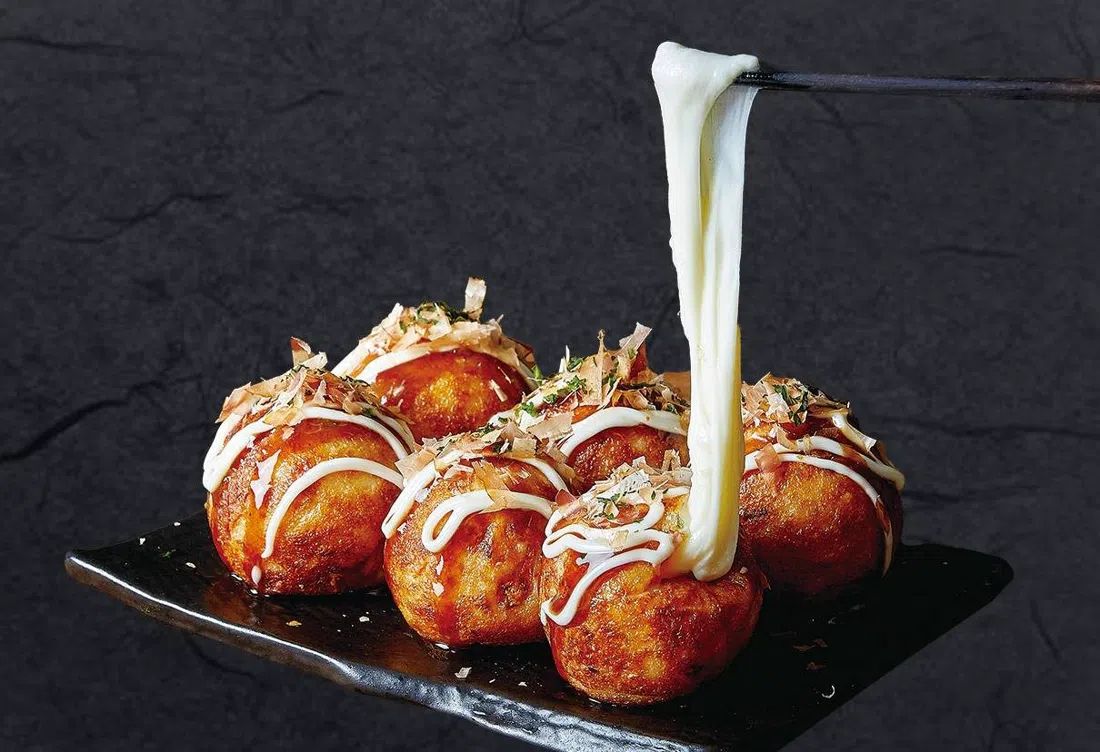
None of this street-level density is an accident of tourism. The reason Osaka has thousands of takoyaki points of sale, rather than a handful of famous restaurants, is that the dish never fully left the home kitchen after 1935 — a takoyaki pan, the cast-iron plate with its rows of half-sphere wells, is a standard household item across the city in the way a waffle iron might be elsewhere, brought out for birthdays, New Year, and casual weekend gatherings. That domestic ubiquity is why the shops above compete less on novelty than on small, defensible differences — dashi ratio, batter enrichment, octopus cut, sauce-or-none — because every customer walking up to the counter already has an opinion formed at their own kitchen table. It also explains the sauce wars that seem, from outside, like a minor topping choice but are treated locally as a genuine dividing line: sauce-free purists point to Aizuya as proof the dish never needed it; dashi loyalists at Wanaka argue the broth alone should carry the flavour; and the mayo-and-sauce camp, popularised by Kougaryu's "mayo web," now dominates most stalls a visitor will actually walk past. None of the three camps is wrong, which is exactly the point — a dish this deeply embedded in ordinary home cooking accumulates strong, well-defended, entirely reasonable opinions rather than a single correct version. Understanding that is the difference between treating takoyaki as a single photo-op dish and understanding it as Osaka's actual, ongoing food culture. For more on how the city's food scene fits together beyond this one dish, see the full Osaka guide.
Practical Notes
Transport. Dotonbori, Sennichimae, and Americamura sit within a 10-minute walk of each other and of Namba Station, making them the natural single-afternoon loop; Tenjinbashisuji is a separate trip on the Osaka Metro Sakaisuji or Tanimachi lines, roughly 15-20 minutes north; Hanadako is a genuine one-minute detour from JR Osaka Station's Shin-Umeda side; TAKOPA requires the JR Yumesaki Line out to Universal City Station and only makes sense paired with a Universal Studios day.
Cash. Smaller counter operations, especially Aizuya, Umaiya, and the Michelin-listed stalls, still favour cash for quick transactions even where card readers exist — carry ¥3,000-5,000 in small notes and coins for an afternoon of grazing so you're not holding up a queue.
Timing. Go mid-afternoon (2-4pm) to avoid both the lunch rush and the post-Universal Studios or post-dinner surges that hit Dotonbori and TAKOPA respectively; Hanadako and the Tenjinbashisuji shops queue up fastest around 6pm as commuters pass through.
Budget. A single tray runs ¥400-1,000 depending on shop and octopus quality, so a proper crawl of three or four stops costs roughly ¥2,000-3,500 per person before drinks — cheap by the standards of most cities, which is part of why grazing rather than sit-down dining is the normal way to eat it here. If you're building a longer Osaka trip around this kind of stall-hopping, start with somewhere central to Namba or Dotonbori; check the Osaka hotel search for options that put you within walking distance of most of this list.