The Osaka issue
Where to Watch Osaka's Yodogawa Fireworks and Get Home After
Osaka's Yodogawa fireworks land on Saturday 17 October 2026. What a seat costs, where to eat in Juso either side of it, and how a hundred thousand people get off the riverbank.

By Inês CarvalhoOsaka one neighbourhood at a time
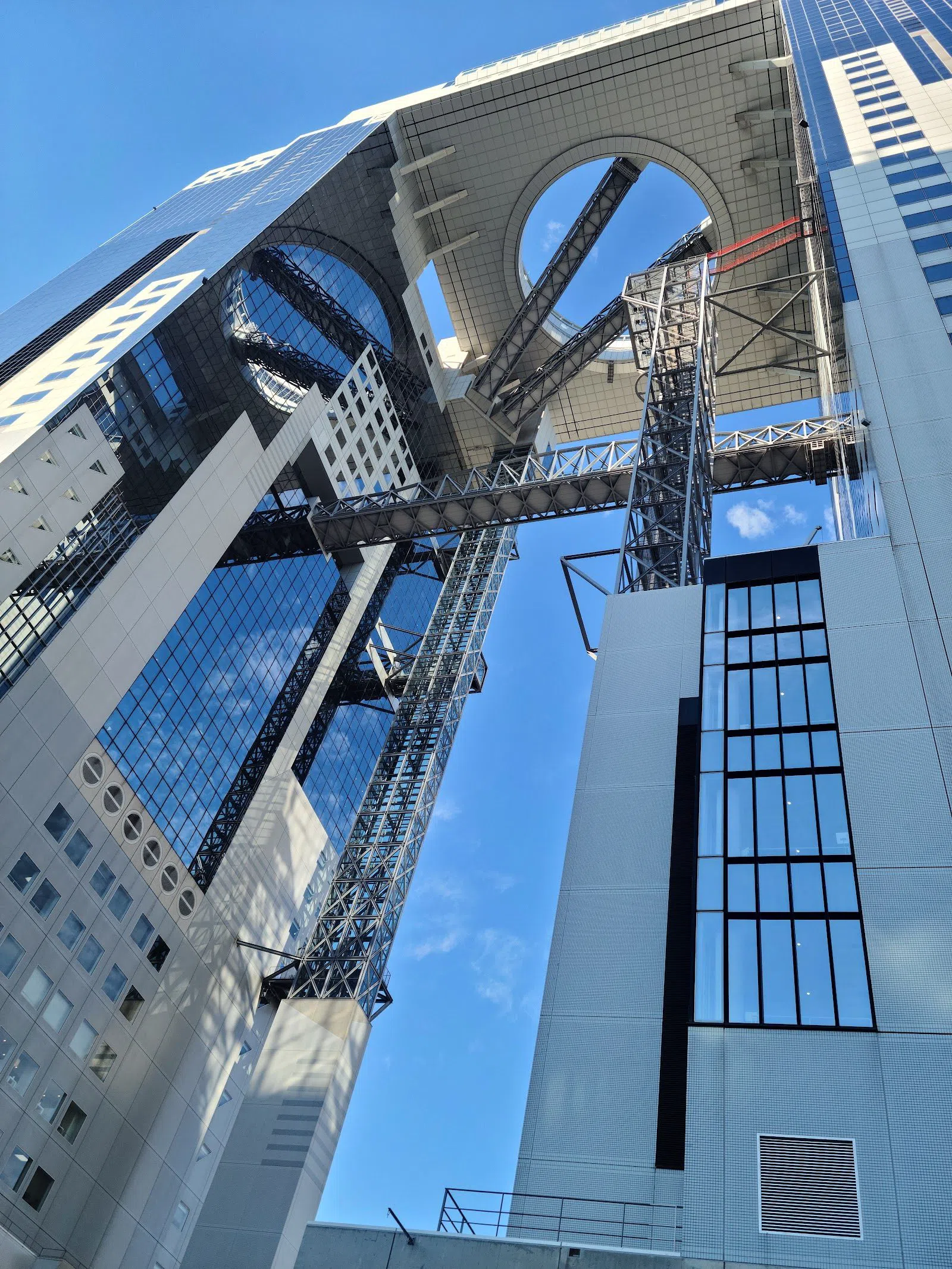
Most of the year the Yodogawa is a river Osaka barely looks at: a wide grey channel between the towers of Umeda and the low roofs of Juso, crossed at speed by half the trains in the region. On the evening of Saturday 17 October 2026 both banks fill with a crowd well past a hundred thousand, the water goes black and gold for an hour, and then every one of those people has to walk to a station. Almost everything that goes wrong with this night goes wrong in that last part.
The shape of the evening
Riverbank gates open at 15:00. The first shell goes up at 19:00, and the display is finished by around 20:00. Put those three numbers side by side and the central decision makes itself: a free place on the embankment costs four hours of standing to buy one hour of sky, and then deposits you into the same exodus as everyone else who did the sums the same way.
Plenty of people make that trade gladly, and they are not wrong. Standing on the bank with a convenience-store bag while the shells break more or less overhead is the actual festival, and no pane of glass reproduces the thump of it in your chest. But if you are travelling with anyone who will be miserable by hour two, or you simply want to eat sitting down, the city sells a surprising number of alternatives for this one night. They sort into three types: height, a room of your own, and a table close to the launch zone. All three need booking well before you fly, and one of them needs an application rather than a purchase.
Plan your Osaka trip
Live prices from our booking partners.
Free cancellation on many rooms. We may earn a commission when you book.
Watching from height in Umeda
Umeda Sky Building — Kuchu Teien Floating Garden Observatory (Shin-Umeda City, Kita-ku) offers the best legal high-level view of the launch site, and it also carries the single most important warning in this article. Standard observatory tickets are void on 17 October. The building runs three separate timed sessions that night and sells the evening as a limited fireworks plan: observatory-only, or dinner-and-view at the 40th-floor Sky Lounge Stardust and the Chinese restaurant Sankyu. Anyone who turns up with a normal ticket bought earlier in the trip will be turned away downstairs.
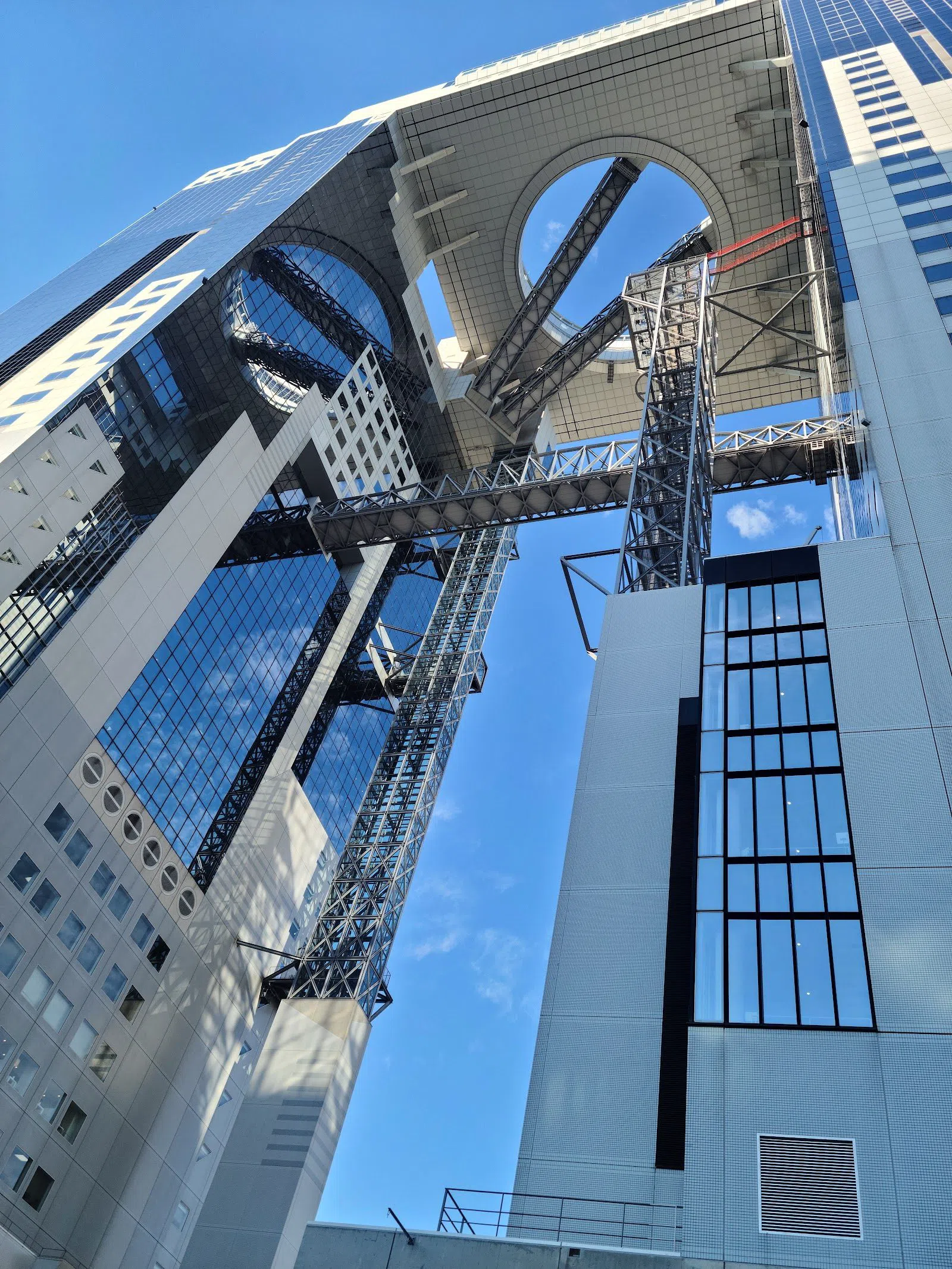
Allocation is by application, not by walking up to a counter, so a group applies as one party and gets in together or not at all. The observatory-only plan sits in the mid four figures of yen; the 40F dinner-and-view plans run well into five figures per head. What the extra money buys is a chair, a meal and no jostling for a rail, worth weighing honestly if you are with people who cannot stand for a long stretch. The floating garden is open to the air at the top, which is glorious and, in the middle of October, colder than anyone expects.
The closest thing to a grandstand
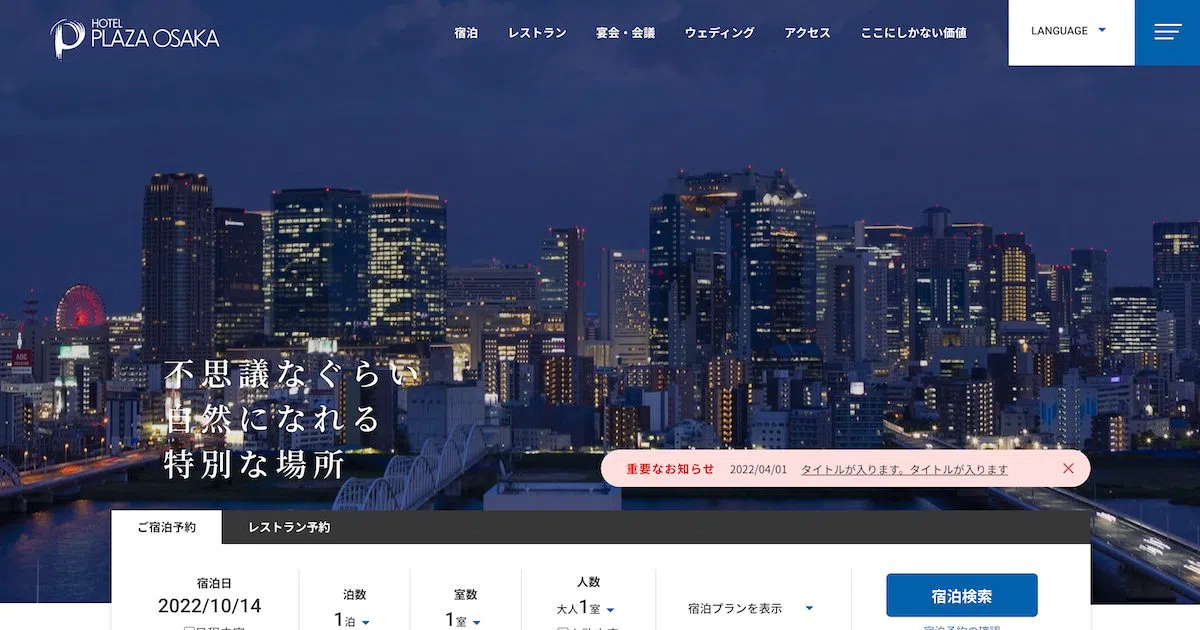
Hotel Plaza Osaka (Yodogawa-ku) sits barely a walk from the launch zone, on the correct side of the river, and its rooftop viewing dinner is as close to a private grandstand as a visitor is going to get. The format matters more than the menu: there are two seatings, so you choose dinner-then-fireworks or fireworks-then-dinner, and that choice is the difference between eating calmly and bolting your food to make a start time.
Dinner runs ¥27,500 per person for the Japanese or Chinese menus, rising to ¥70,000 for teppanyaki, which is first seating only, so the most expensive option locks you into eating before the sky lights up. Seating is first-come with no seat selection, and groups are placed as space allows, which means you cannot buy a guaranteed front-row position at any price. Book every cover in a single reservation; separate bookings for the same party are the reliable way to end up on two different sides of the room.
A window instead of four hours on your feet
Canopy by Hilton Osaka Umeda (Umeda, Kita-ku) sells designated Fireworks View and Fireworks Premium View categories for the night, suites included, with champagne and an in-room dinner service offered so you never have to leave the floor. Expect a large multiple of the normal room rate for that single night. The advantage is geography rather than the window: you are already inside Umeda when a hundred thousand people try to leave the riverbank at once, and your walk home is a lift.
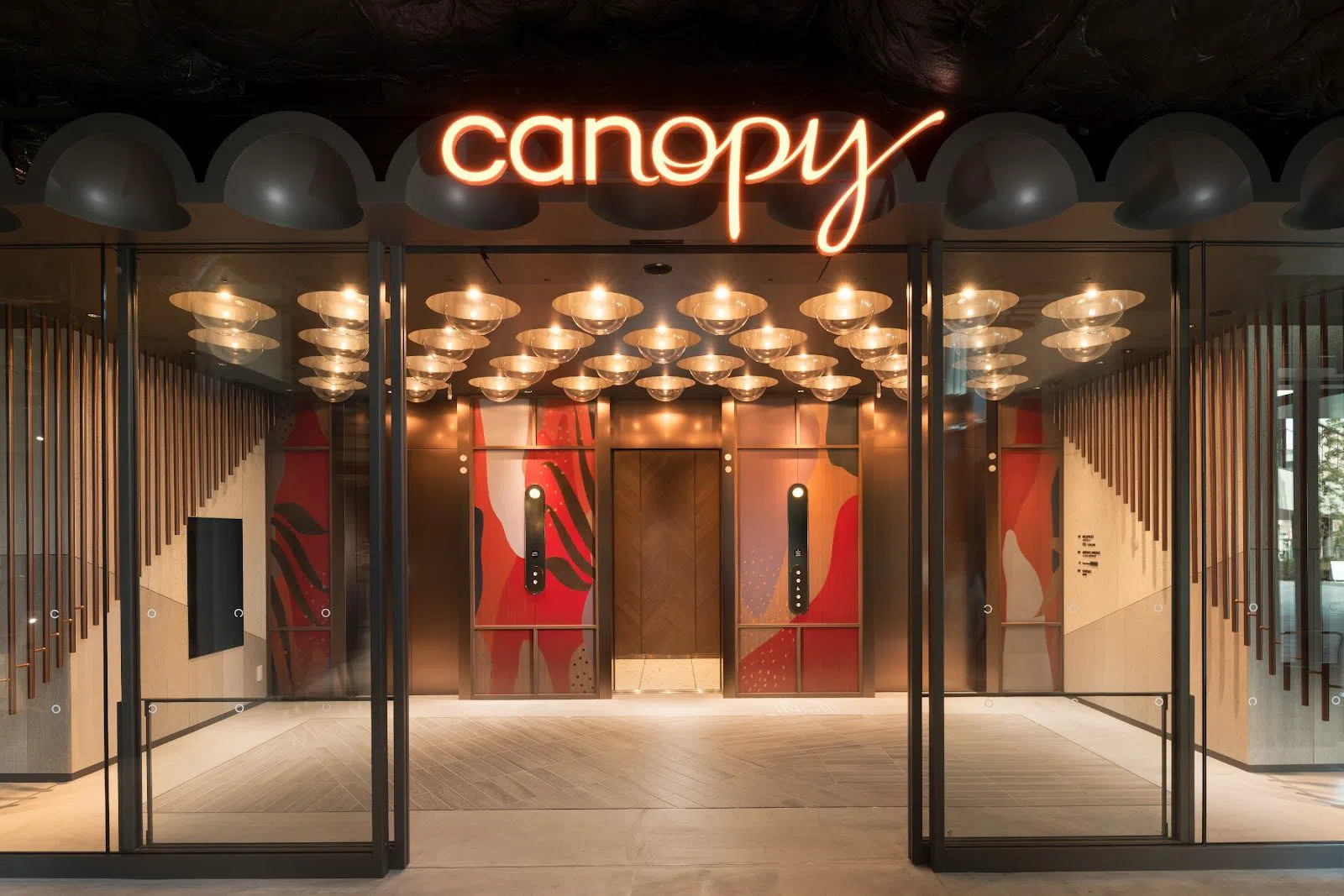
The honest limitation is that this is booked room by room. A party of eight books four rooms, possibly on different floors with different angles, rather than sharing one space. It works for couples and pairs, and it is a poor way to keep a group of ten together.
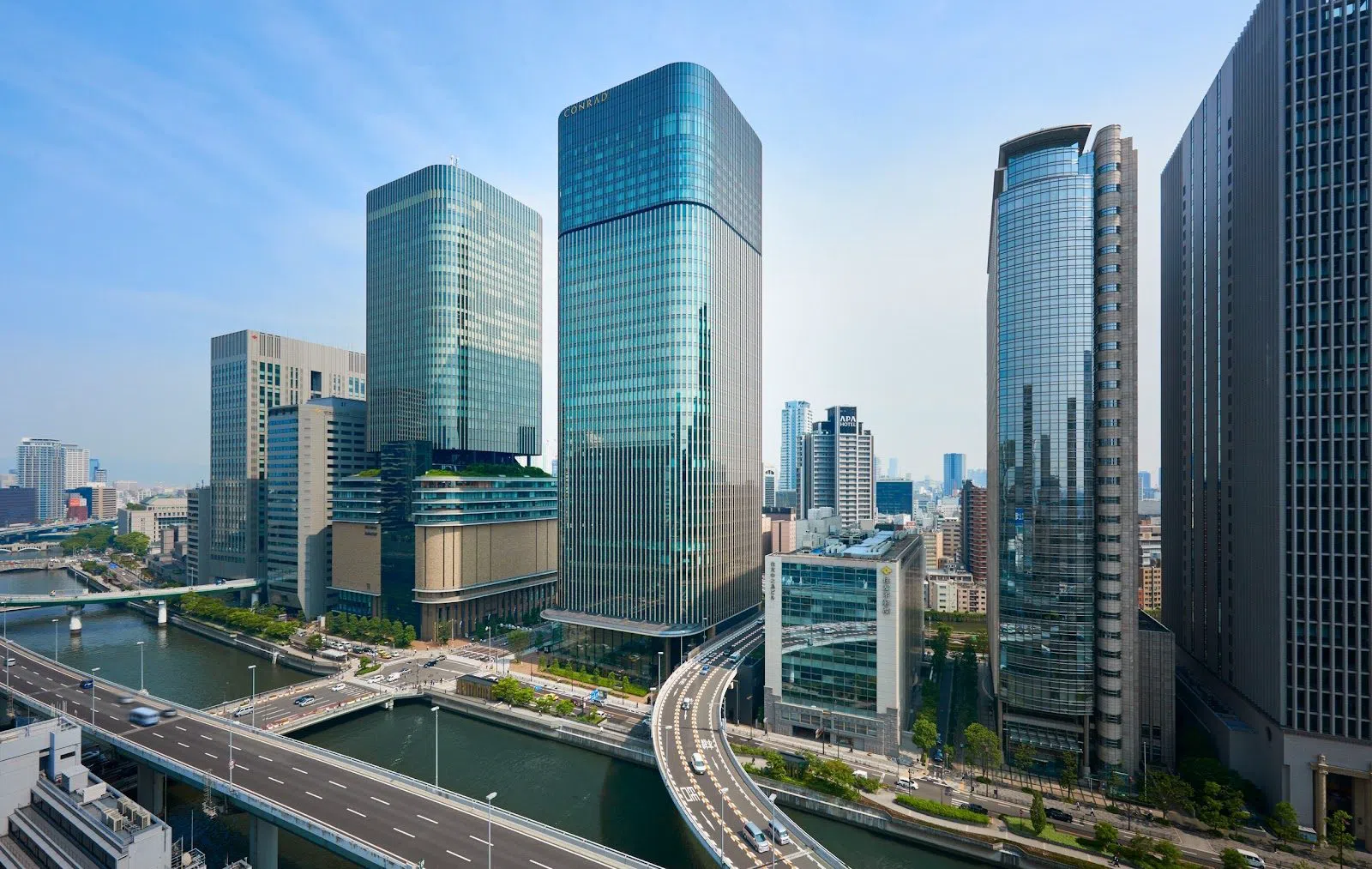
Conrad Osaka (Nakanoshima, Kita-ku) takes the opposite approach on a dedicated 38th-floor festival plan. It is far enough south that the display reads as scenery rather than spectacle, wide and distant across the city rather than bursting above you. That is a genuine downgrade in drama and a genuine upgrade in comfort, and it suits anyone travelling with people who would hate the crush more than they would love the bang. Rooms are booked individually at the luxury tier; the room-service special dinner is ¥44,000 for two with each extra person at ¥22,000, which makes a party of three or four straightforward.
If all three are gone by the time you read this (they go early), a wider Osaka hotel search is still worth running for anything within walking distance of Umeda or Juso. A room you can walk back to has value on this night even without a view.
Eating in Juso on the days either side
Yodogawa Tsutsumi Ichi Minamo Juso (Juso, Yodogawa-ku) opened on 8 August 2026 on the exact stretch of riverbank the festival uses: 22 Osaka-linked stalls with room to grow to 29, open-air communal benches, and a reservation-only urban barbecue field, WONDER BBQ FIELD Juso, that takes booked parties. Stall plates run ¥500–1,500; barbecue is priced per head by reservation. It is seven minutes on foot from Hankyu Juso and it absorbs a group better than any restaurant in the district.
The timing rule is absolute: eat there on an evening that is not fireworks night. On 17 October that stretch of bank belongs to the festival and its crowd control, not to a food-stall village. Go on the Friday, or the Sunday once the barriers are gone.
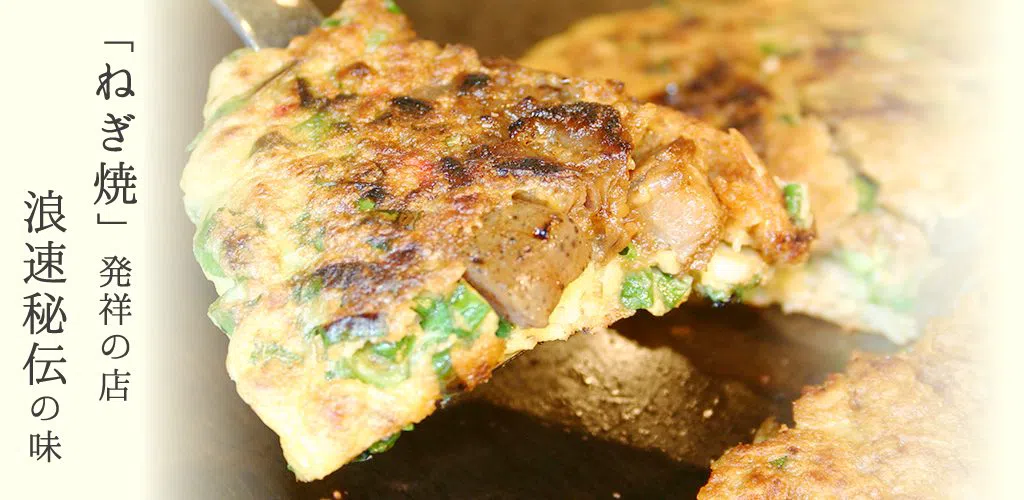
Negiyaki Yamamoto Honten (Juso) is the birthplace of negiyaki and the single most defensible food reason to be in Juso at all, a plate of batter and spring onion that has been imitated across the city and bettered nowhere. It is ¥1,000–2,000 a head, and it is a small counter-and-table shop that queues. Two to four people is comfortable; a large party is awkward and should split or accept a long wait. On festival day the queue will be brutal, so eating there is a gamble rather than a plan. Build a different afternoon of the trip around it.
Where to go when the sky goes quiet
The most useful thing you can do at 20:05 is not move. Taishu Sakaba Hirotaya 2-go (Juso) is a retro drinking hall with around 70 seats over two floors, the upper floor given over to parties, and online reservation, rare in Juso for actually seating eight or ten people without splitting them across two shops. Reckon on ¥2,500–4,000 a head with drinks. It runs to midnight, and to 1am on Fridays and Saturdays, which matters because 17 October 2026 is a Saturday. Sitting there until the station crowd thins is the plan.
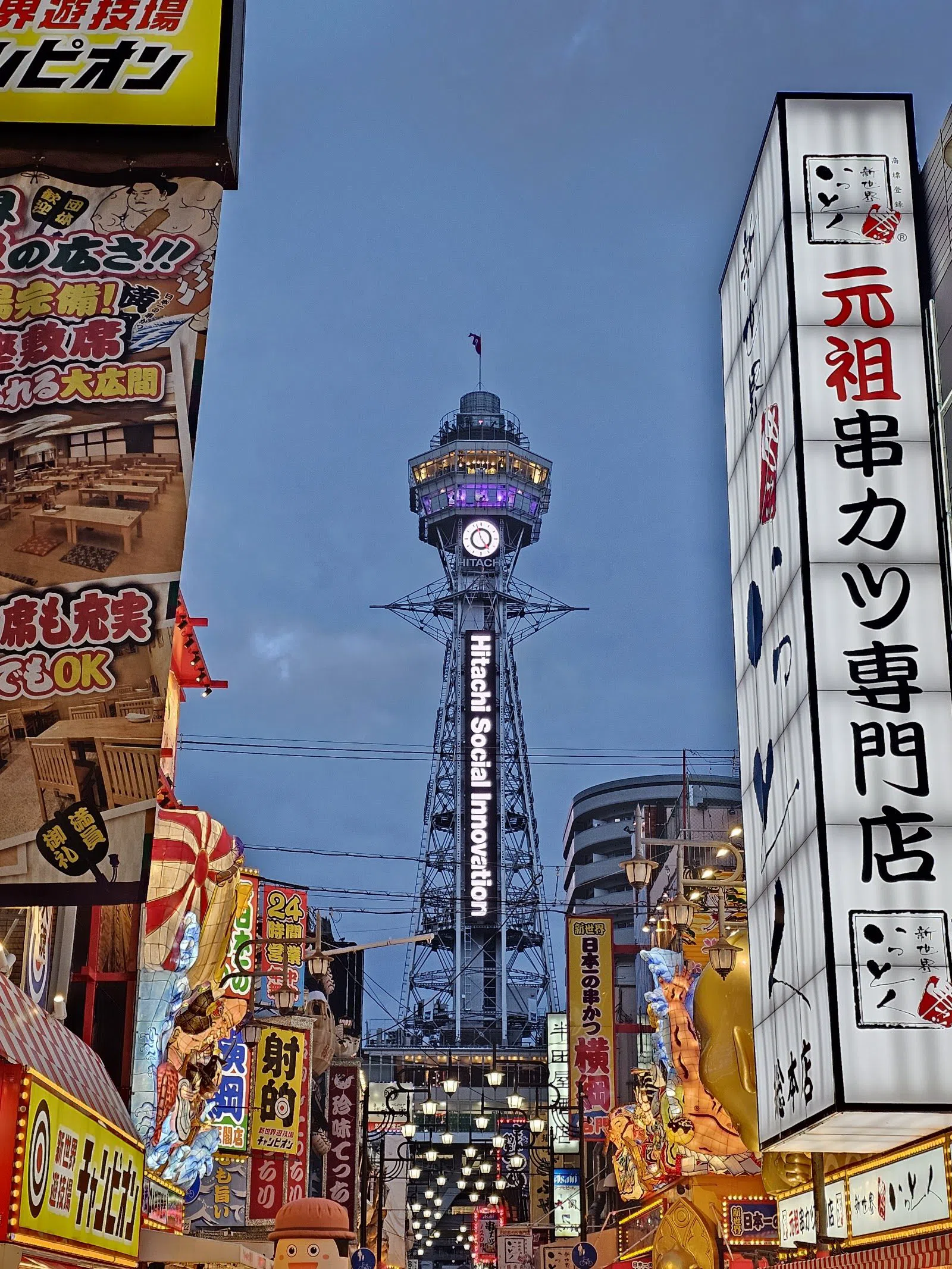
If you are based south rather than in Umeda, Tsutenkaku Tower (Shinsekai, Naniwa-ku) has been opening to 22:00 since March 2026, which makes it one of the very few Osaka landmarks still trading after a 20:00 finish. It is a decompression stop with online booking and timed re-entry tickets at ¥1,200 for adults. The Tower Slider is a separate ¥1,000 for adults and ¥500 for children, with height, weight and age limits (120cm and up, under 120kg, ages 7 to 65) that will simply exclude part of most groups, so decide that in advance rather than at the top.
Filling the daylight and the day after

Nakanoshima Museum of Art, Osaka (Nakanoshima, Kita-ku) is the reliable wet-weather answer for the Saturday. It opens 10:00–17:00, closed Mondays, with Friday and Saturday late hours to 19:00 and last entry at 18:30, and admission of ¥1,200–2,200 depending on the show. The NHK Sunday Art Museum 50-year exhibition runs 10 October to 20 December 2026, so it covers the fireworks weekend exactly. Note the collision: the Saturday late opening runs straight past the 15:00 riverbank gates, so if you want a free spot on the bank this is a morning visit, not an afternoon one.
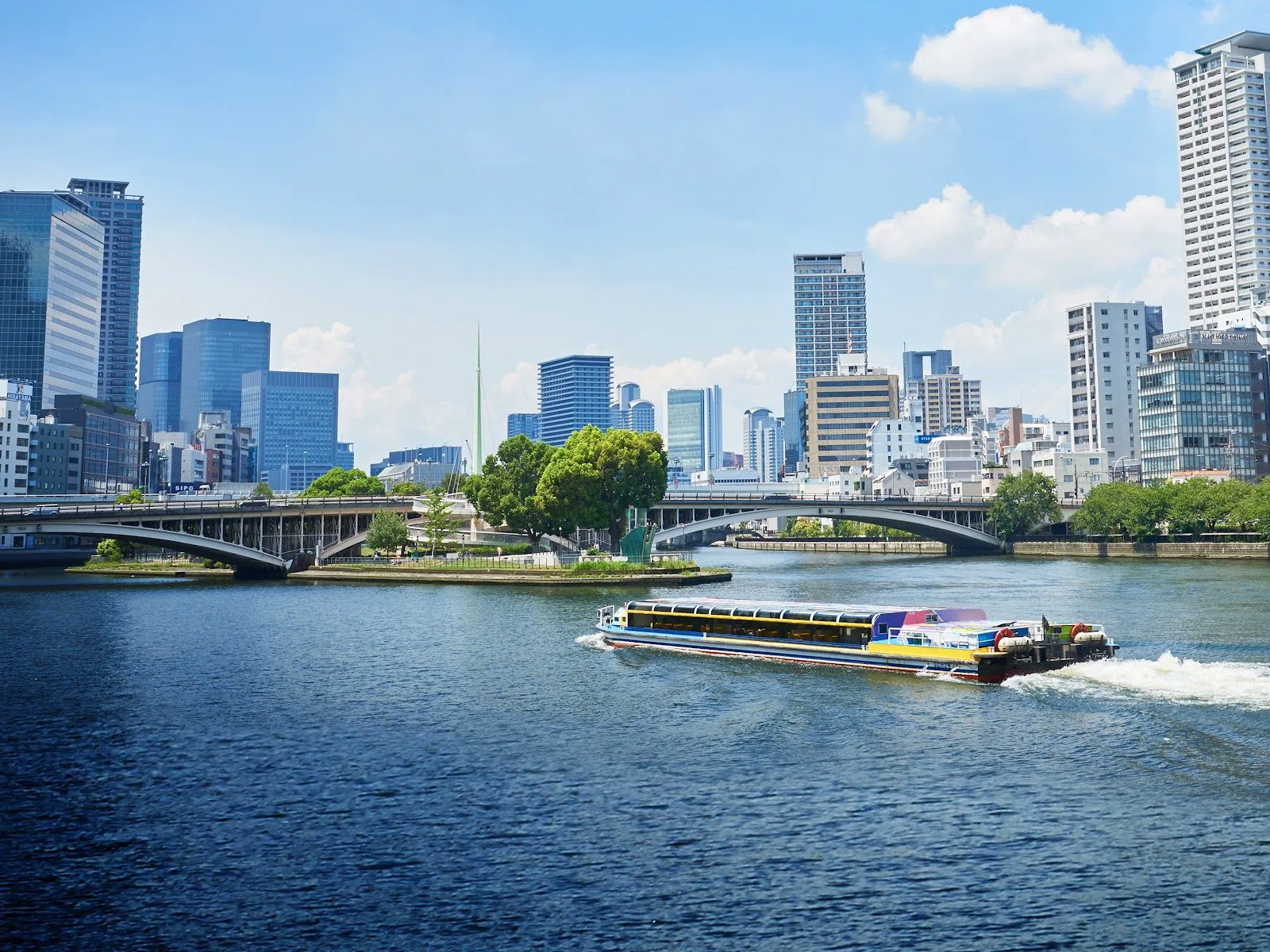
Osaka Water Bus Aqua-Liner (Osaka Castle Port and Hachikenya-hama, Chuo-ku) is the cheapest way to understand why this is called the water city, and it is confirmed running through to March 2027. Departures are hourly, walk-up groups are fine, charters are available, and the 55-minute loop is around ¥1,600–2,000 for adults. It works the Okawa rather than the Yodo, so treat it as daytime context for a festival staged on a river, never as a viewing option.
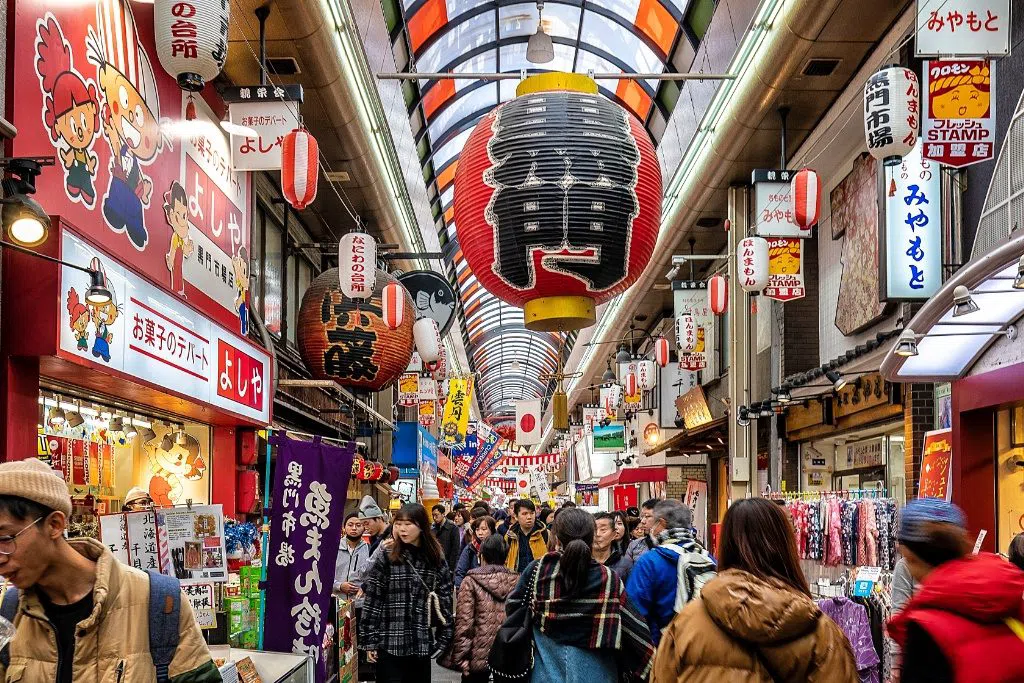
Kuromon Ichiba Market (Nipponbashi, Chuo-ku) has no booking and no door policy, and its standing-and-grazing format absorbs a group better than any dining room. Most stalls run roughly 09:00–18:00 with the eateries later; individual items are ¥300–1,500 and eating properly costs ¥2,000–3,000. Two warnings: the crush peaks Friday to Sunday afternoon, and 10 to 15 percent of the smaller family shops close on Sundays. Go Saturday morning, before the festival day tightens, rather than on the Sunday after.
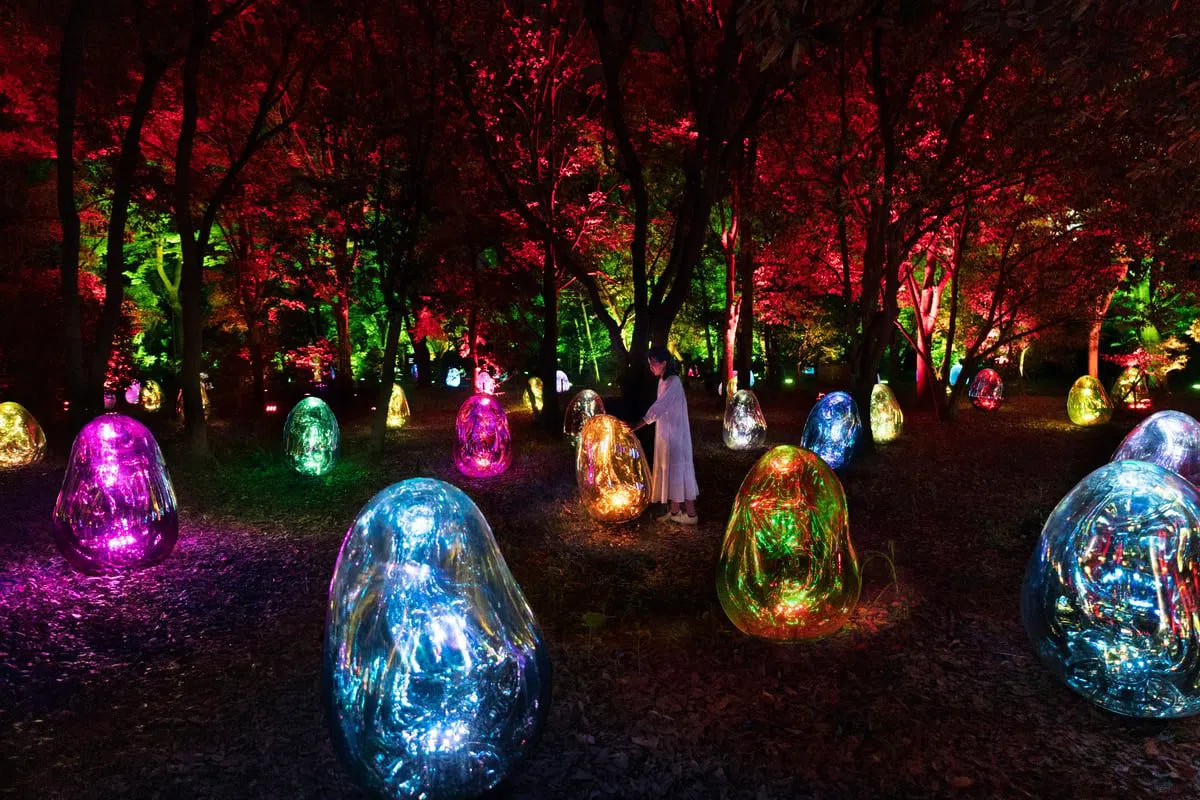
teamLab Botanical Garden Osaka (Nagai Park, Higashi-Sumiyoshi-ku) is the right thing to do on the night before or the night after: also after dark, also outdoors, and an open-air site that swallows numbers without feeling packed. Entry is timed and sold online exclusively at roughly ¥1,800–2,400 for adults (about USD 13 and up); there are no walk-ups and no door sale, so a group books the same slot in advance or does not go.
Grand Green Osaka / Umekita Park (Umekita, Kita-ku) is free, unrestricted and connected directly to Osaka Station, which makes it the default place to regroup, eat and lose two hours without touching a train. The flanking towers take group bookings at Umeda prices. Worth knowing that the North Park's Umekita Forest section opens on 20 November 2026, after the festival, with the whole site finishing in FY2027, so you are seeing a work in progress.
Wearing a yukata without missing the launch
Kimono Rental VASARA Osaka Umeda Store (Umeda) is five minutes from JR Osaka Station, geared explicitly to groups with a group dressing service, couple plans and corporate enquiries, open year-round. Yukata start at ¥3,300, men's kimono are ¥6,300, retro premium ¥7,300 and a couple set ¥9,280.
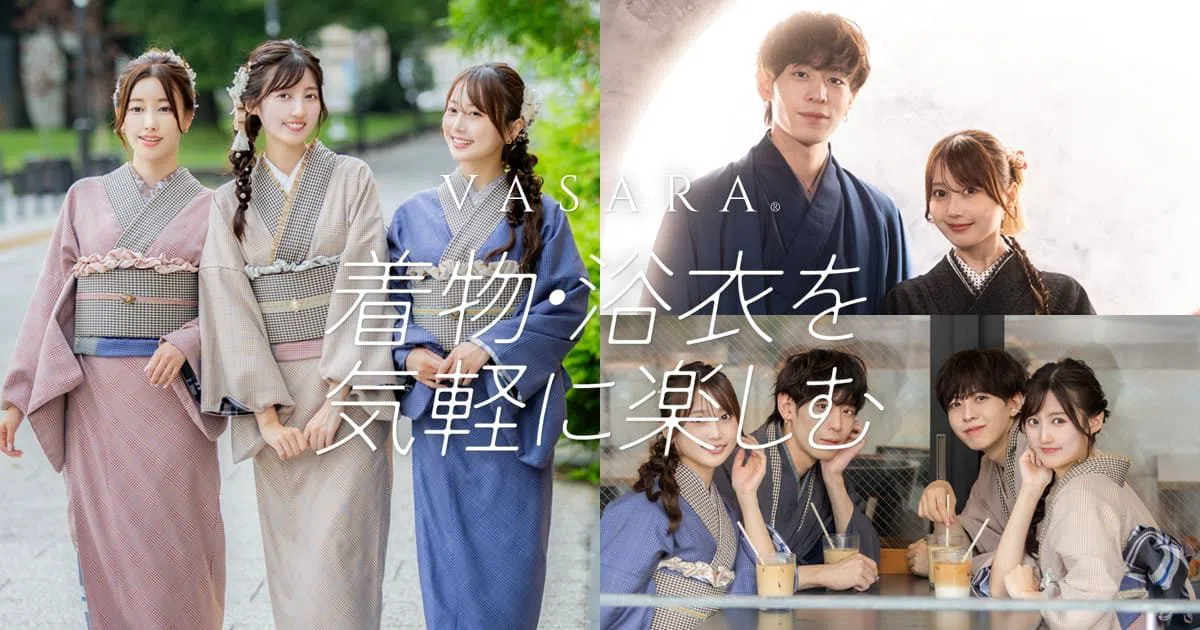
The trap is the timetable: last dressing is 17:00 and garments must be returned by 17:30. A same-day rental cannot survive a 19:00 launch. Either take the overnight-return option or wear it in daylight and change before the evening. Remember too that a summer yukata on a mid-October riverbank at 20:00 is cold, so plan a layer under or over it.
Getting home
Juso is a junction, which is both why the festival works there and why the exit is hard. Last services on the lines through Juso and through the Umeda stations run to around midnight, but the timetable is rarely the binding constraint; the queue to reach a platform is. Expect entry restrictions and one-way marshalling at the nearest stations after 20:00, and expect them to hold for a good while.
There are three sane responses. Be already inside your room, which is what the Umeda hotel plans are really selling. Walk one station away from the crowd and board there. Or sit down somewhere that stays open past the surge and leave at 23:30 into a half-empty carriage. What does not work is joining the front of the crowd at 20:02 and hoping.
The practical part
The date is Saturday 17 October 2026. Riverbank gates 15:00, first shell 19:00, finish around 20:00. Build your day backwards from the gates if you want a free spot, and from your seating time if you have paid for one.
For transport, get an IC card on arrival and stop thinking about fares. Hankyu Juso is the festival station and the pinch point; Osaka Station and the Umeda cluster are the fallback, and walking between them beats waiting for a train more often than you would think. Nothing on this list is far enough out to need a taxi, and taxis near the river after 20:00 are a fantasy anyway.
Stalls, the smaller Juso shops and parts of the market are still cash-first. Carry ¥10,000–15,000 in notes per person for a festival evening on the bank; hotel plans and museums take cards without drama.
On budget, a riverbank night with convenience-store food and a drink afterwards runs ¥3,000–5,000 a head. The observatory-only plan is mid four figures; a Hotel Plaza rooftop dinner starts at ¥27,500 and the teppanyaki reaches ¥70,000; a fireworks-view room is a large multiple of a normal Umeda rate for the night. The daytime pieces are cheap by comparison: ¥1,200–2,400 for the museum, the tower or the garden, ¥1,600–2,000 for the river cruise.
Book the room or rooftop first, since those sell out and the observatory allocation is by application with a deadline. Then the timed slots: teamLab, Tsutenkaku, the museum exhibition. Then the meals in Juso, deliberately placed on the days either side of the 17th rather than on it. For everything outside the festival weekend, the wider Osaka guide covers the districts this article only touches.
Mid-October after dark on an open riverbank is genuinely cold once you have stopped walking, and you will be stationary for hours. Bring the extra layer. Nobody has ever regretted it at 19:45.
Before you go
When are the Yodogawa fireworks in 2026 and what time do they start?
Saturday 17 October 2026. Riverbank gates open at 15:00, the first shell goes up at 19:00 and the display finishes around 20:00, so a free spot on the bank means roughly four hours of standing before it begins.
Can I use a normal Umeda Sky Building observatory ticket that night?
No. Standard observatory tickets are void on 17 October. The building runs three separate timed sessions and sells the evening as a limited fireworks plan: the observatory alone, or dinner with the view at the 40F Sky Lounge Stardust or the Chinese restaurant Sankyu. Places go by application rather than at the door, and anyone arriving with an ordinary ticket is turned away.
Do I have to pay for a view, or is the riverbank free?
The riverbank is where the festival actually happens, and it costs nothing beyond the wait, which suits plenty of people. Paying buys a chair, a meal and an easier exit: a Hotel Plaza Osaka rooftop dinner from ¥27,500 a head, a room facing the fireworks at Canopy by Hilton Osaka Umeda, or the quieter wide angle from Conrad Osaka.
How do I get back to central Osaka after the fireworks?
Last services on the lines through Juso and the Umeda stations run to around midnight, but the queue to reach a platform matters more, and expect entry restrictions after 20:00. Walk one station away from the crowd, or sit it out: Taishu Sakaba Hirotaya 2-go in Juso runs to 1am on Saturdays.
Is renting a yukata for the fireworks a good idea?
Not as a same-day rental. At Kimono Rental VASARA Osaka Umeda the last dressing is 17:00 and garments must be back by 17:30, which a 19:00 launch will not fit around, so take the overnight-return option or wear it in daylight. A summer yukata on the river in mid-October is also cold once the sun is down.